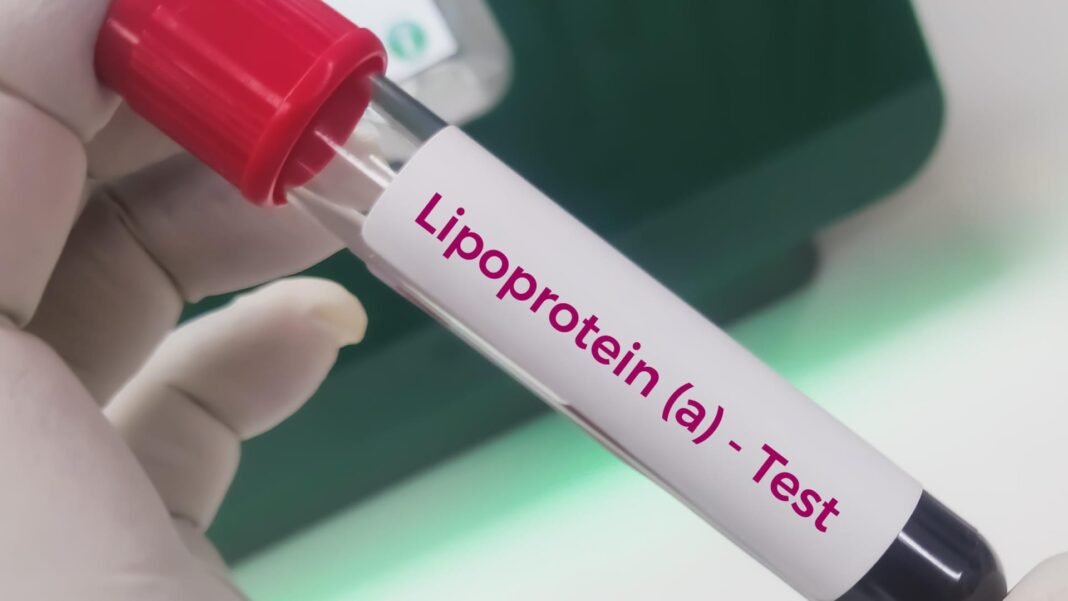
Exploring New Frontiers in Heart Attack Prevention: The Emerging Role of targeting Lp(a)
Pharmaceutical innovators are increasingly focusing on a lesser-known cholesterol variant as a potential breakthrough in preventing heart attacks.
The Growing Focus on Lipoprotein(a) as a Therapeutic Target
major industry players including Novartis, Amgen, and Eli Lilly are channeling significant resources into advanced clinical trials aimed at lowering lipoprotein(a), commonly known as Lp(a). This particular form of cholesterol is recognized for its strong association with cardiovascular diseases such as heart attacks and strokes.These companies aim to establish whether reducing Lp(a) levels can meaningfully decrease the incidence of these life-threatening events.
This surge in interest stems from the fact that nearly one-fifth of people worldwide have elevated Lp(a) concentrations-a condition primarily inherited rather than influenced by lifestyle factors-and currently lack effective treatment options. While genetic research has suggested benefits from targeting Lp(a),conclusive evidence awaits the outcomes of ongoing clinical studies.
Lipoprotein(a): A Complex Contributor to Cardiovascular Risk
First identified over 50 years ago, lipoprotein(a) shares structural similarities with LDL cholesterol but carries additional dangers. It not only accelerates plaque accumulation within arteries but also enhances blood clot formation, creating a dual threat to cardiovascular health. Individuals with high levels of Lp(a) face more than twice the risk of experiencing heart attacks compared to those with normal levels.

The Genetic Roots and Treatment Challenges Associated With Elevated Lp(a)
Lipoprotein(a) levels are largely determined by genetics, rendering conventional lifestyle interventions like diet changes or increased physical activity largely ineffective at lowering it. As a result, current medical guidance focuses on managing othre modifiable cardiovascular risk factors-such as LDL cholesterol control, blood pressure regulation, weight management, and diabetes care-while awaiting targeted therapies specifically designed for elevated Lp(a).
Innovative Drug Developments: Significant Reductions Await Clinical Validation
Experimental agents such as Novartis’s pelacarsen, Amgen’s olpasiran, and Eli Lilly’s lepodisiran have demonstrated remarkable reductions exceeding 80% in circulating Lp(a) during early-phase trials. However, whether these biochemical improvements translate into fewer heart attacks or strokes remains unconfirmed until Phase 3 trial results become available.
“The precise degree of reduction needed and wich patient groups will benefit most remain unknown,” explained leading cardiologists involved in these studies. “Genetic insights provide promising clues but definitive answers depend on forthcoming trial data.”
Novartis expects pivotal results later this year after delays caused by slower-than-anticipated event rates among participants receiving comprehensive cardiovascular care alongside pelacarsen treatment.
Diverse mechanisms Among Competitors Shape Future Outcomes
Novartis utilizes an antisense oligonucleotide approach with pelacarsen that targets RNA transcripts responsible for producing apolipoprotein A-the key driver behind elevated lipoprotein(a). In contrast, Amgen’s olpasiran and Eli Lilly’s lepodisiran employ RNA interference technology believed to offer stronger suppression based on mid-stage findings.
the timeline for updates varies: Amgen has postponed announcements regarding its Ocean[a] study until early 2027 due to similar slow accruals in clinical events; meanwhile Eli Lilly anticipates reporting Phase 3 data around 2029. Differences in trial design may lead to varying efficacy profiles across these programs according to cardiology experts monitoring progress closely.
The Current testing Landscape Amid Rising Awareness
- Poor Screening Rates: Despite recommendations from many cardiologists advocating at least one lifetime test for all adults due to hereditary risks associated with high lipoprotein(A), less than 1% of U.S adults underwent screening last year-with significant geographic disparities influencing access and awareness.
- Cautious Physician Adoption: Many healthcare providers remain hesitant about routine testing as no approved treatments specifically targeting elevated lp(a) exist yet; thus they prioritize controlling traditional risk factors rather.
- An Advocacy Movement: Patient groups push for integrating lipoprotein(A) measurement into standard lipid panels during regular health checkups-a change that could dramatically improve early detection rates over time if widely adopted.
A Patient Advocate’s Perspective: From Personal Journey To Broader Change
Katherine Wilemon founded the Family Heart Foundation after surviving an unexpected early-age heart attack linked partly to her genetically high lipoprotein(A). She actively campaigns for expanded screening initiatives while stressing equitable access once new therapies become available-a challenge reminiscent of earlier barriers faced by PCSK9 inhibitors before pricing adjustments facilitated wider adoption globally.
A Look ahead: Emerging therapies Beyond Current Trials
- Eli Lilly is investigating daily oral medications alongside cutting-edge gene-editing techniques designed potentially as single-dose treatments aiming at permanent reduction-an approach that could revolutionize chronic disease management if accomplished within this decade.
- Cleveland Clinic specialists express cautious optimism about multiple therapeutic candidates advancing simultaneously through growth pipelines offering hope that at least one will deliver clinically meaningful benefits soon enough.
- The investment community remains watchful yet reserved given delayed timelines combined with uncertainties surrounding market expansion beyond patients already diagnosed with cardiovascular conditions linked to elevated lp(A).
“The upcoming Novartis readout represents a pivotal moment,” analysts note cautiously regarding both timing challenges and long-term commercial prospects.”
Navigating Tomorrow: Evidence-Based Advances Set To Transform Cardiology Practice
< p >As scientific inquiry progresses toward confirming whether targeted reduction of lipoprotein(A ) can prevent initial or recurrent cardiac episodes , stakeholders eagerly await robust data poised potentially reshape clinical guidelines , patient management strategies , and pharmaceutical innovation .
< p >Until then , healthcare professionals continue emphasizing comprehensive approaches addressing modifiable risks while preparing systems nationwide should novel agents fulfill their promise and enter mainstream use .