How Saks’ Bold Merger Triggered a Swift Financial Downfall
The Aspiring Acquisition That Unraveled
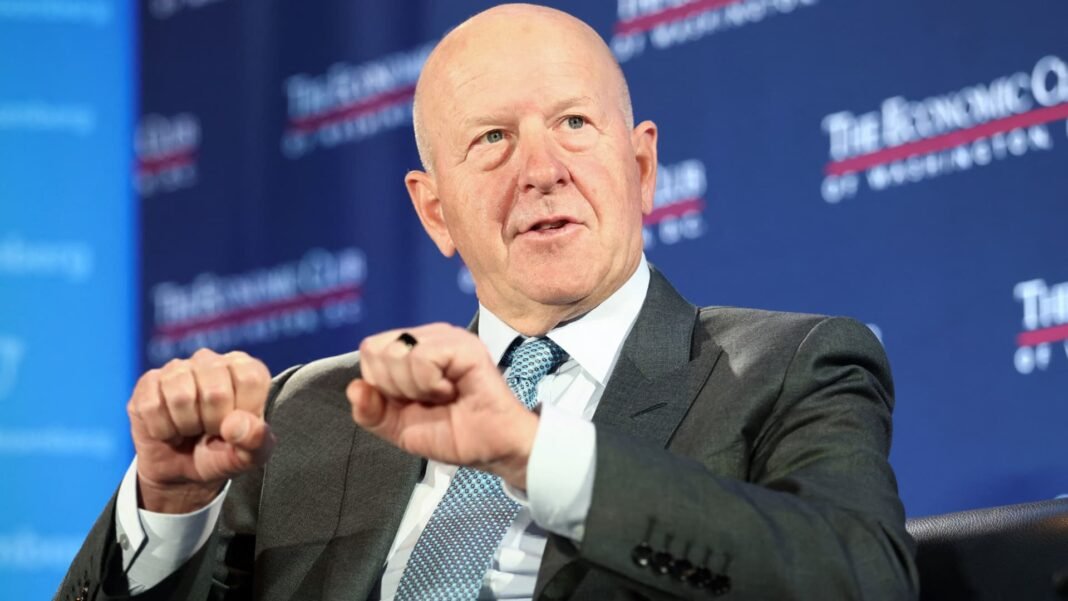
For more than a decade, the former executive chairman of Saks Global pursued an aggressive strategy to expand his luxury retail empire by acquiring Neiman Marcus.The $2.7 billion deal, finalized in 2024, was intended to create a powerhouse capable of dominating the high-end department store sector and withstanding market volatility. Instead, it precipitated a rapid collapse culminating in bankruptcy within just twelve months.
Initially celebrated as a savvy consolidation move to strengthen market presence among upscale retailers, the merger quickly revealed deep-seated cash flow challenges that strained supplier partnerships and left minimal room for operational errors.
Debt-Fueled Financial Engineering Backfires
Court disclosures from Saks Global’s chief restructuring officer exposed how the acquisition immediately drained liquidity and saddled the company with an unsustainable debt burden. Moody’s corporate finance leadership characterized this combination of two struggling entities financed predominantly through $2.2 billion in high-yield bonds as “a blueprint for failure.” While these bonds temporarily bolstered cash reserves, much of that capital was consumed by transaction costs, leaving insufficient funds for timely vendor payments.
This financing structure severely disrupted inventory replenishment cycles as suppliers hesitated to ship goods without prompt payment-triggering cascading stock shortages across flagship stores.
Inventory Deficits Ignite Operational Decline
The delayed vendor payments led suppliers to restrict shipments, causing critical inventory gaps that alienated luxury shoppers accustomed to premium product availability. This shortage directly contributed to plunging sales figures and deteriorating cash flow-a vicious cycle that undermined day-to-day operations and customer loyalty alike.
“Behind grand promises of creating a luxury retail titan lay complex financial maneuvers that ultimately shackled the company with overwhelming debt,” observed retail analyst Neil Saunders. “The merger masked execution risks beneath its ambitious facade.”
integration Complexities Compound Struggles
Saks had projected achieving $600 million annually in cost synergies within five years post-merger; though, integrating Neiman Marcus proved far more challenging and costly than anticipated.Just before the crucial 2024 holiday season-when sales typically surge-the company encountered meaningful disruptions in merchandising systems at both Neiman Marcus and Bergdorf Goodman locations amid already constrained seasonal inventories.
The Role of Asset-Based Lending Constraints
Saks’ borrowing capacity hinged heavily on its inventory valuation due to asset-backed loan agreements.As merchandise levels declined becuase of supply chain bottlenecks and unpaid vendor invoices, available credit shrank sharply-exacerbating liquidity pressures further.
A planned $244 million catch-up payment aimed at vendors was effectively nullified by ongoing shortfalls in restocking efforts necessary to meet affluent customers’ expectations for fresh luxury merchandise.
A Grim Inventory Picture Ahead of Peak Shopping Season
- By august 2025 (end of Q2), Saks’ inventory was approximately 9% lower compared with the previous year;
- The firm recorded over $550 million less than forecasted incoming merchandise receipts;
- This deficit critically limited access to trending products essential for attracting holiday shoppers;
Mickey Chadha highlighted that sustaining such heavy leverage demands not only synergy-driven cost savings but also strong revenue growth-a target Saks failed to reach amid mounting operational hurdles.
The Final Collapse: Missed Payments Precede Bankruptcy Filing
Despite securing additional financing mere months prior,Saks missed an interest payment at December’s close before filing Chapter 11 bankruptcy two weeks later-marking one of this decade’s most dramatic failures among established department stores facing digital disruption pressures worldwide.
An In-Depth Outlook: Beyond Typical Department Store Decline?
Saks’ crisis Rooted more in Liquidity Than Demand Erosion
Court records clarify that Saks’ downfall primarily resulted from severe liquidity constraints rather than diminished consumer demand or widespread declines impacting brick-and-mortar luxury retail overall. Reports indicate top-tier clientele continue spending robustly when product availability is consistent across channels-even amidst broader economic uncertainty affecting discretionary purchases globally since early 2024.
“Saks is not grappling with falling demand,” stated restructuring officials; “where merchandise is adequately stocked performance remains resilient.”
Evolving Synergies Offer Glimmers of Recovery Potential
- Saks now anticipates run-rate synergies approaching $300 million by fiscal year-end 2025-doubling earlier projections;
- Loyalty programme data reveals strong retention rates among premium customers;
- Positive sales momentum emerges whenever shelves are well-stocked despite past operational setbacks;
Tackling Vendor Trust & Inventory Stability as Priorities
the fundamental challenge lies in restoring supplier confidence alongside ensuring consistent product assortment-not merely stimulating latent consumer demand for luxury goods itself.This distinction shapes recovery strategies emphasizing operational stability first before pursuing aggressive growth initiatives effectively.