
AI and Justice in 2029: Unveiling the Harsh Realities of Mercy
A Futuristic Courtroom Dominated by Artificial Intelligence
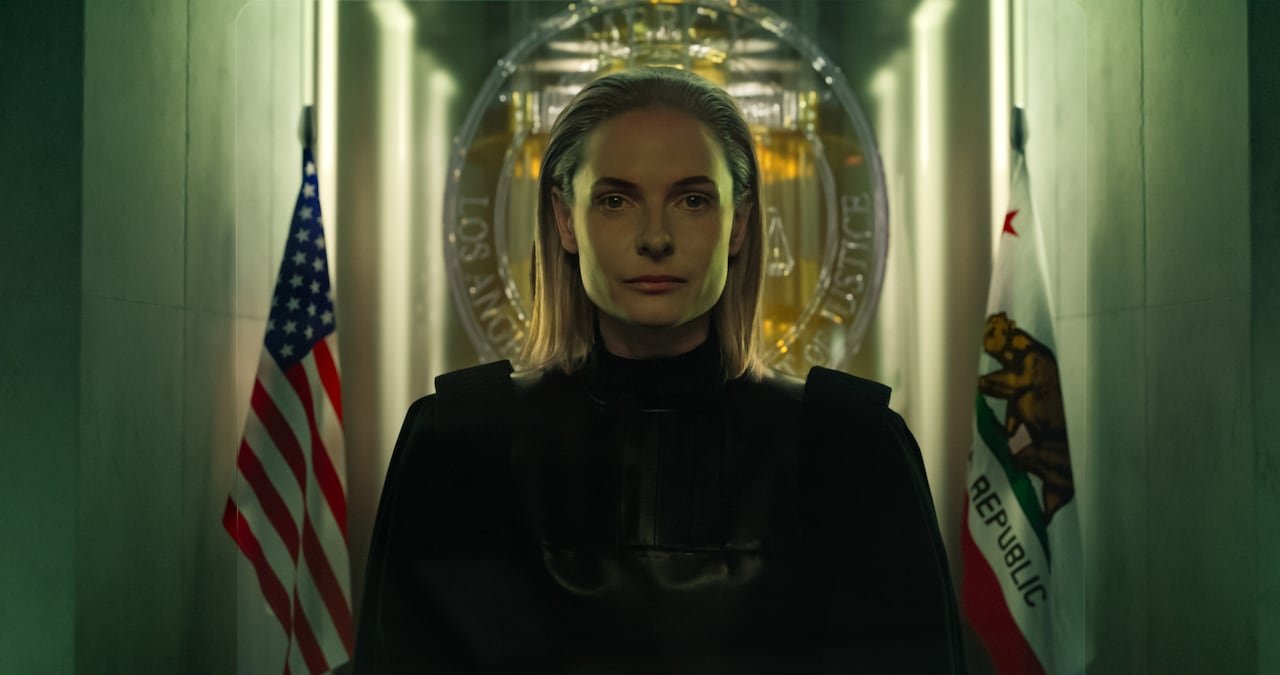
Set in August 2029,Mercy introduces audiences to a dystopian legal system where an AI judge presides over capital cases with unyielding precision.Detective Chris Raven, portrayed by Chris Pratt, navigates a world plagued by rampant crime that has forced cities into fragmented “red zones,” areas controlled by violent gangs and lawlessness. In response, authorities deploy drone surveillance and quadcopter-equipped police forces to maintain order through swift and often merciless justice.
The film’s depiction of the “Mercy Court” reflects this cold new era-an automated tribunal designed to dispense punishment without empathy or delay, embodying society’s desperate attempt to curb chaos through technology-driven enforcement.
The Personal Cost of Automated Judgment
The story takes a gripping turn when Chris becomes the prime suspect in his wife Nicole’s murder. Evidence from his daughter Britt, partner Jaq, and AA sponsor Rob points against him. he is confined to a chair engineered to deliver lethal sonic pulses within 90 minutes unless he can convince Judge Maddox-an AI entity played by Rebecca Ferguson-that there is less than a 92% probability of his guilt.
This scenario places him among eighteen others who have faced similar fates without reprieve-a stark illustration of how unforgiving this mechanized justice system truly is.
A Modern Twist on Ancient Punishment Myths
mercy‘s narrative echoes the grim legend of the brazen bull-a brutal ancient Greek torture device that roasted victims alive inside hollow bronze while their screams were transformed into haunting sounds resembling bovine cries. Similarly, Chris Raven embodies an enforcer ensnared by the very system he once upheld; poetic irony unfolds as he faces retribution from an impersonal mechanism designed for swift judgment.
This parallel offers fertile ground for exploring themes about unchecked authority turning against its creators but remains underdeveloped throughout much of the film’s progression.
The Missed chance for Deep Social Commentary
The premise behind Mercy, though promising as speculative fiction reflecting contemporary anxieties about AI governance and criminal justice reform, ultimately falls short in delivering meaningful critique. Unlike thought-provoking works such as Black Mirror’s “Crocodile,” which deftly examines privacy erosion through mind-reading technology entwined with moral dilemmas around accountability, this film only skims these issues before shifting focus elsewhere.
This superficial treatment leaves viewers wanting more nuanced exploration into how reliance on algorithmic decision-making risks exacerbating injustice rather than resolving it-especially given real-world concerns about bias embedded within predictive policing algorithms or facial recognition systems leading to wrongful arrests globally.
A Character Arc That Sidesteps Moral Complexity
Instead of grappling with questions surrounding retributive justice or systemic flaws inherent in automated courts, Detective Raven devolves into a survival-driven figure whose motivations narrow solely toward evading execution.The initial promise of introspection gives way to straightforward self-preservation tactics during his trial sequence.

(Justin Lubin/Amazon MGM Studios)
An Ambitious Vision Undermined by Execution Choices
This creative direction might be excused if not for director Timur bekmambetov’s known interest in integrating advanced technologies like AI actors at scale-a choice suggesting intentional thematic ambitions rather than accidental oversight. The abandonment hints either at discomfort confronting complex ethical issues head-on or prioritizing spectacle over substance within storytelling priorities.
the Illusion Behind “Mercy” as a Conceptual Title
The title itself feels somewhat misleading compared with films likeClemency (2019), which thoughtfully dissect capital punishment through intimate character studies emphasizing empathy and moral conflict instead of surface-level thrills.
An Overly Optimistic Portrayal Of Artificial Intelligence?
Toward its midpoint-and especially near its conclusion-the movie drifts away from human drama toward idealizing technological solutions without sufficient critical examination. It morphs into what resembles promotional content praising AI virtues rather than honestly addressing their limitations.
“Human or AI, we all make mistakes,” reflects Chris near the end before asserting growth stems from learning.”
This sentiment may have resonated decades ago when films likeI, Robot orA.I.: Artificial Intelligence wove hopeful narratives around sentient machines; however today-with generative AI already transforming industries worldwide-it feels naïve at best and dangerously misleading at worst.
- No current evidence supports claims that artificial intelligence systems operate free from bias or hallucinations;
- No existing model demonstrates genuine compassion or ethical reasoning comparable to humans;
- Dedicating life-or-death decisions solely based on algorithmic judgment risks catastrophic miscarriages far beyond fictional dramatization;
Pretending otherwise ignores ongoing controversies-from predictive policing disproportionately targeting marginalized communities-to flawed facial recognition technologies causing wrongful detentions globally.
Pretending otherwise traps society inside metaphorical bulls forged not from bronze but blind faith in fallible machines poised against human dignity itself.
If anything, Mercy warns us-not intentionally perhaps-that surrendering control without critical scrutiny invites torment reminiscent both ancient myths cautioned against-and modern realities threaten daily.