Controversy Erupts After Federal Immigration Detention of Columbia University Student
Early Morning Detention at University Housing
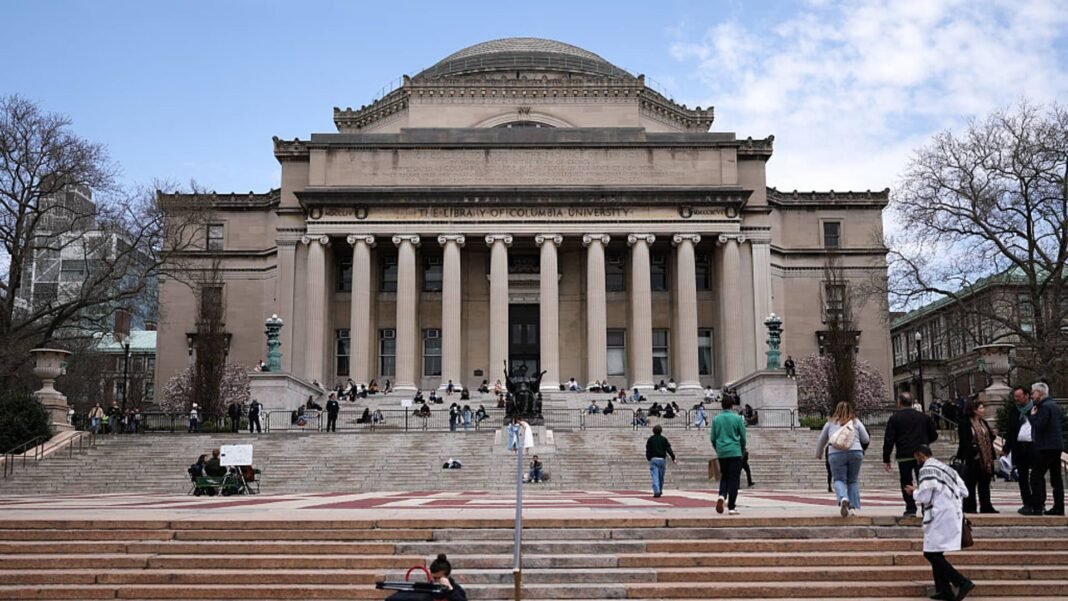
In teh early hours, federal immigration agents entered a Columbia University residence hall to detain Elmina Aghayeva, an Azerbaijani student. The operation began around 6:30 a.m., with officials reportedly gaining access by coordinating with the building manager and Aghayeva’s roommate. This action was linked to her visa status, which had been invalidated several years earlier.
Claims of Misleading Entry Tactics by Immigration Authorities
The university’s interim president raised alarms that immigration officers deceived campus housing personnel by falsely stating they were searching for a missing individual to gain entry. Manhattan Borough President Brad Hoylman-sigal supported these allegations, asserting that officials fabricated a missing child alert as justification for their presence in private student accommodations.
Campus Security and legal Requirements for Law Enforcement Access
Columbia University highlighted that law enforcement must obtain proper legal authorization-such as warrants or subpoenas-before entering non-public areas on campus. The institution stressed the importance of federal agents coordinating with its public safety department prior to attempting access to residential spaces within university property.
The Broader Political Climate Surrounding Immigration Enforcement
This incident unfolds amid intensified national debates over immigration policy enforcement under current government leadership.Earlier this year, aggressive ICE operations in states like Minnesota sparked widespread criticism after two U.S. citizens died during enforcement actions there, fueling increased scrutiny over immigration authorities’ tactics nationwide.
High-Level Political Engagement Following Detention
After Aghayeva’s detention became public knowledge, New York City Mayor Zohran Mamdani disclosed direct dialog with President Donald Trump regarding her case. Shortly afterward, federal officials confirmed her release from custody later that same day.
Tensions Between Columbia University and Federal Agencies Intensify
The university has encountered ongoing disputes with the Department of Education amid accusations of violating federal antidiscrimination statutes affecting its accreditation status under this management. In response to funding cuts imposed by the government last year, Columbia agreed to pay $200 million in restitution after successfully challenging those reductions.
A Wider Pattern Impacting International students Nationwide
aghayeva’s experience is part of a larger trend where international students face detentions or legal challenges related to visa complications at Columbia and other institutions across the country-highlighting growing concerns about protections for immigrant students amid evolving policies.
Consequences for campus Communities Across America
- Diminished Trust: Deceptive methods used during enforcement undermine confidence between students and law enforcement agencies operating on campuses nationwide.
- Mental Health Strain: Sudden raids can inflict psychological trauma not only on those detained but also on peers who witness aggressive actions within educational environments designed for safety and learning.
- Civic Mobilization: Such incidents often inspire advocacy groups pushing for clearer regulations safeguarding immigrant rights within academic settings throughout the United States.
“When immigration officials resort to false pretenses, they endanger personal freedoms while compromising institutional trust,” community advocates stated following this event.
Navigating future Challenges: ensuring Fairness Amid Enforcement Efforts
This episode highlights urgent demands for clear policies that balance rigorous visa compliance with respect for individual rights among international students studying in America. Universities are increasingly calling for enhanced collaboration frameworks between campus security units and federal agencies aimed at protecting both regulatory adherence and human dignity within academic communities worldwide.