South Sudanese Women Transforming Fashion and Cultural Identity
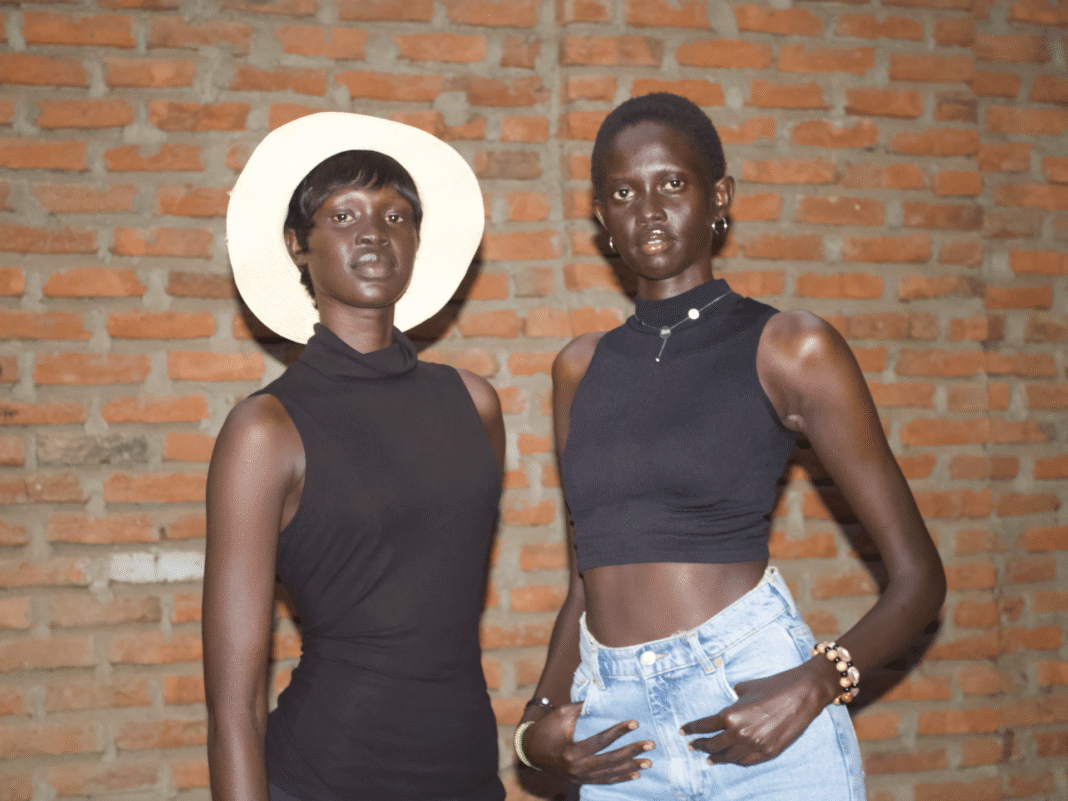
In South Sudan, traditional expectations have long dictated that women maintain modesty and avoid standing out. However, 21-year-old Khloe Nyanda, a model and law student at the University of Juba, is charting a new course-one fueled by pioneers who turned hardship into empowerment.
A Journey from Displacement to International Fashion
Nyanda draws inspiration from Adut Akech, the globally renowned South Sudanese model whose rise from refugee camps to international runways exemplifies what young women in her community can achieve.
“Nearly every aspiring South Sudanese model I know looks up to Adut,” Nyanda explains, emphasizing how such trailblazers challenge societal expectations and spark ambition.
Her own life story spans several countries: born in Yirol, spending formative years in Nairobi before returning to Juba. This multicultural background reflects the complex identities many emerging models balance while pursuing careers that require global mobility.
Cultural Expectations Versus Personal Aspirations
Although Nyanda’s passion for modeling began at 14,her family initially doubted whether she could juggle academics with an unconventional career path. Choosing to pursue modeling professionally in 2023 intensified familial tensions within a patriarchal society that often limits women’s freedoms.
The conflict escalated when she declined an arranged marriage proposal endorsed by her family network. “They don’t support me,” she admits-a sentiment shared by many young women confronting deep-rooted traditions.
systemic Challenges: Infrastructure and Bureaucracy
The fragile infrastructure of South Sudan adds layers of difficulty beyond personal struggles. The lack of established mother agencies leaves hopeful models vulnerable to exploitation by dishonest agents or trainers.
Nyanda recounts losing opportunities after rejecting inappropriate advances from a coach-an experience highlighting the urgent need for protective systems around talent progress.
- The absence of embassies forces visa applicants like Nyanda to apply through neighboring countries such as Kenya or Uganda,increasing financial burdens;
- This bureaucratic maze acts as an invisible barrier restricting access to major fashion events worldwide;
- “it feels like trying to break down walls with bare hands,” says Nyanda about these ongoing obstacles.
Youthful Resolve Amidst Adversity
Alek Mayen Garang is another emerging figure balancing education with modeling ambitions while facing similar cultural resistance. Born near Jonglei state but displaced multiple times due to conflict-including returns from Uganda-her resilience mirrors that of many young South Sudanese navigating instability alongside dreams.
Inspired by Anok Yai-the American-South Sudanese model honored as Model of the Year at the British Fashion Awards 2025-Garang showed interest in modeling at age ten despite parental concerns prioritizing academics over industry demands.
“My dad didn’t understand much about modeling until my sister explained it during my first late-night show,” Garang recalls about gaining family support early on.
- Mastering technical skills like walking confidently in heels;
- Making lifestyle changes including disciplined nutrition plans;
- coping emotionally with frequent rejections common during auditions;
- An unwavering motto: “never give up.”
The Expanding Influence of South Sudan on Global Fashion
The impact of South Sudan extends well beyond individual achievements; it is reshaping international fashion narratives:
- Nine out of fifty top-ranked global models originate from this young nation-a remarkable feat given its independence only since 2011 amid ongoing development challenges;
- A number have transitioned into design or entrepreneurship roles-for instance Akur Majok now focuses on fashion design after modeling; Dawson Dau Amou founded a national platform celebrating local designers; David Shegold creates bespoke bridal wear blending tradition with modern aesthetics;
- This growing ecosystem fosters mentorship where experienced professionals encourage younger talent not only toward runway success but also academic excellence-as education remains crucial for lasting careers;
“Education isn’t separate from our dreams-it strengthens them,” veteran mentors emphasize amid evolving industry demands.
Evolving concerns Over AI’s Impact on modeling Careers
An increasing worry among insiders involves artificial intelligence possibly replacing Black models through digitally generated avatars-a trend accelerating as early 2024 across creative industries worldwide.
Lack of Institutional Support Within National Frameworks
< p > despite rising prominence abroad , domestic engagement remains limited among government bodies such as the Ministry of Culture , Museums , & National Heritage . Many voices within fashion circles call for stronger institutional backing aimed at educating communities about modelling’s legitimacy .Without official advocacy , families often hesitate due fears over cultural erosion or loss of identity.
< h 2 > Embracing Identity While Paving Paths for Future Generations
< p > For Khloe Nyanda , Alek Mayen Garang , & thier peers , their journeys go beyond performing under spotlights . They confront social conservatism & bureaucratic barriers directly – asserting their right not just “to be small” but boldly claim space locally & globally . Their ambitions intertwine personal success with broader visions : mentoring upcoming talents ; building safe institutions ; fostering healthcare & educational infrastructures rooted firmly back home .
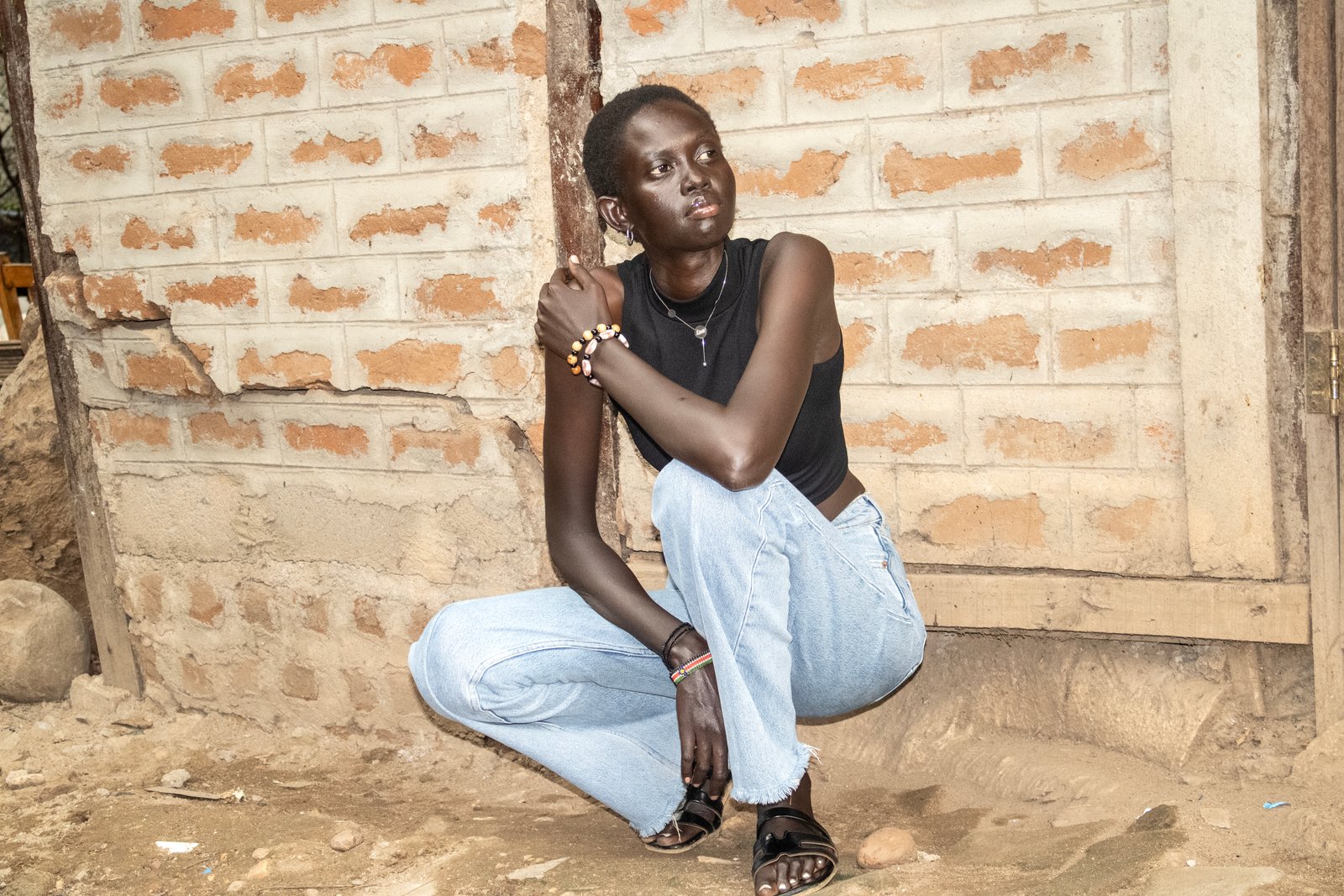
< p > As Garang recently received national recognition winning creativity awards , her focus expanded beyond personal accolades toward nurturing future generations’ potential within South Sudan’s growing fashion scene .Concurrently , Nyanda envisions reinvesting earnings not solely for fame but into foundational projects : establishing credible mother agencies ; schools ; hospitals supporting vulnerable children – all deeply connected within their homeland ‘s fabric.
“South Sudan isn’t somewhere I’m fleeing-it’s exactly where I’m running towards.”