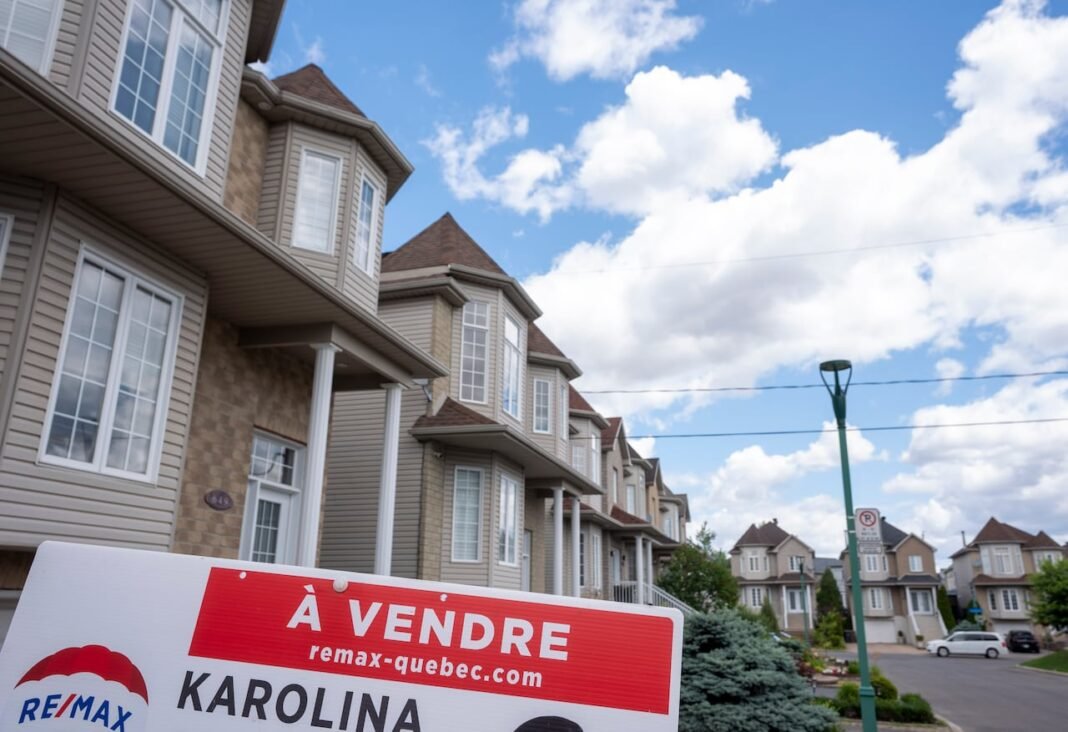
Canadian Housing Market Outlook Adjusted Amid Rising Mortgage Rates and Global Uncertainty
Mortgage Rate Surge Dampens Early 2026 Home Sales
The Canadian Real Estate association (CREA) has revised its housing market projections downward after fixed mortgage rates climbed sharply, coupled with weaker-than-anticipated home sales during the first quarter of 2026. Earlier forecasts had anticipated a surge in demand, notably from first-time buyers eager to enter the market.
This shift comes as inflationary pressures intensified in late March due to a spike in global oil prices, which increased expectations for further Bank of Canada interest rate hikes. The resulting rise in bond yields pushed fixed mortgage rates higher,cooling buyer enthusiasm during what is traditionally the busiest season for real estate transactions.
Current market Performance and Price Trends
In March 2026, CREA reported that the national average home price stood at $673,084-a decline of 0.8% compared to March 2025. The MLS Home Price Index also slipped by 0.4% month-over-month, marking its sixteenth consecutive monthly decrease nationwide.
Price drops were most notable across British Columbia, Alberta, and Ontario-canada’s largest housing markets-where declines offset modest gains seen elsewhere across the country.
Sales Activity reflects Lingering Caution
The volume of homes sold through Canadian MLS systems remained nearly flat from february to March 2026 with only a slight dip of 0.1%.However, when compared year-over-year against March 2025 figures, sales were down by approximately 2.3%. Meanwhile, new listings rose marginally by one percent year-over-year but remain about ten percent below long-term seasonal averages.
Global Events Fuel Buyer Hesitation
The ongoing geopolitical tensions involving conflicts between major nations have injected uncertainty into economic forecasts worldwide. Buyers are hesitant amid fears that these disruptions could further destabilize markets or trigger additional interest rate increases.
“The timing of rising mortgage costs combined with unpredictable global crises has many potential homeowners adopting a wait-and-see approach this spring,” said CREA’s senior economist Shaun Cathcart.
Cathcart noted parallels between current conditions and last year’s trade-related shocks caused by U.S.-imposed tariffs on Canadian goods-both scenarios contributing to an atmosphere where consumers delay purchasing decisions until clearer signals emerge from economic policymakers and international developments stabilize.
Forecast Adjustments: Modest Growth Expected Despite Challenges
Despite these headwinds leading to lowered short-term expectations, CREA still projects moderate growth over the remainder of 2026:
- An anticipated increase in national average home prices by approximately 1.5%, reaching around $688,955 by year-end;
- A forecasted overall rise in home sales near 1%, primarily driven by activity rebounds in British Columbia and Ontario;
- no critically important price appreciation expected within B.C.,Alberta or Ontario individually; though other provinces may see gains ranging between two and five percent;
- A continued upward trend into early 2027 with prices predicted to climb another 0.9%, alongside a projected 2.1%-increase in total sales volume nationally.
The “Missing Middle” Challenge Persists
Cathcart highlighted ongoing difficulties faced by middle-income Canadians seeking affordable housing options-a segment frequently enough referred to as the “missing middle.” This shortage continues limiting access for young families aiming for stable homeownership amid rising costs elsewhere on the spectrum such as luxury properties or entry-level condos priced out of reach due to inflationary pressures on construction materials and labor shortages nationwide.
If Oil Prices Stabilize: Potential upside Revisions Ahead
The trajectory outlined above remains contingent upon external factors like energy markets stabilizing sooner rather than later; should oil price shocks prove temporary rather than prolonged disruptions affecting inflation trends globally-the association indicated it might revise sale volumes and pricing forecasts upward accordingly.
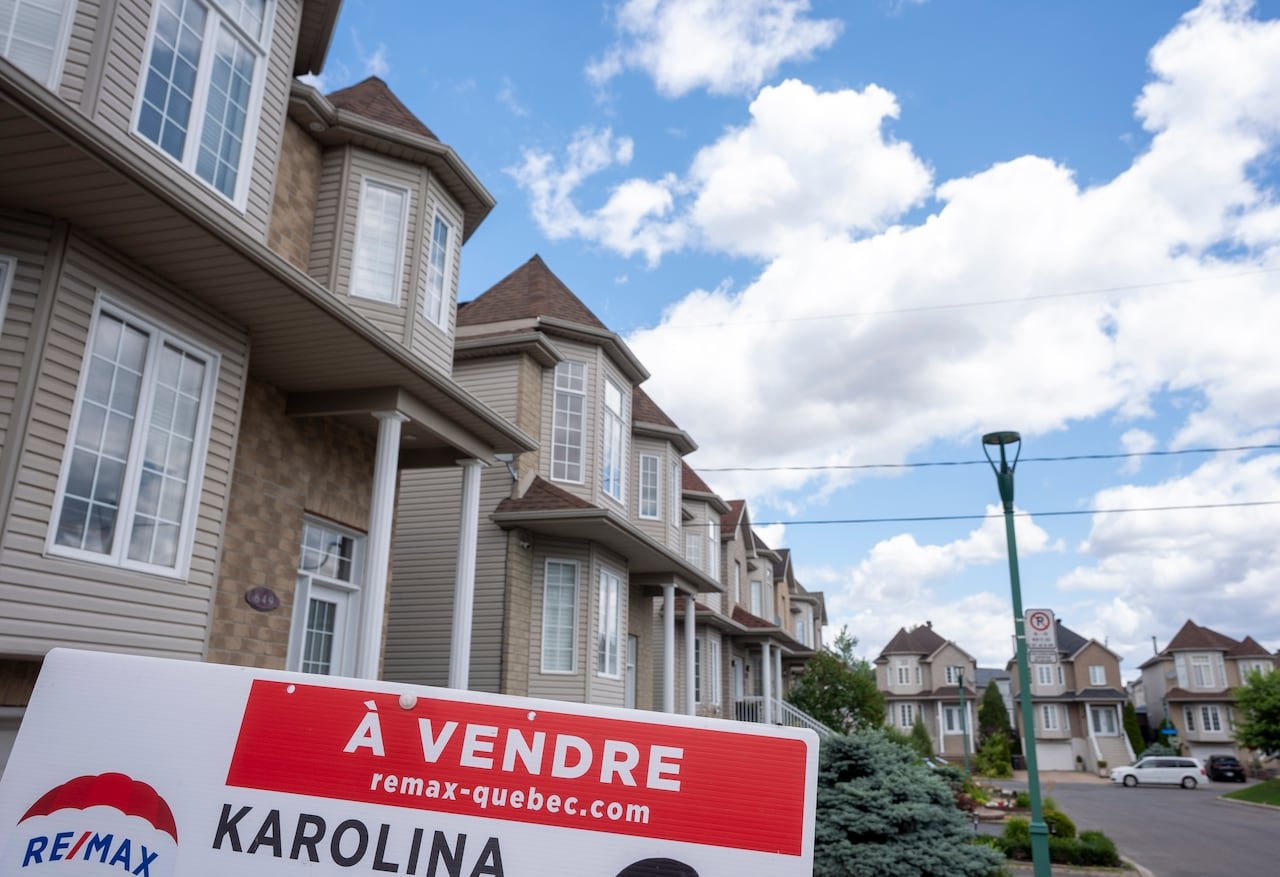
A Look Ahead: Navigating Uncertainty While Seeking Stability
The interplay between fluctuating interest rates influenced heavily by central bank policies-and unpredictable geopolitical events-continues shaping Canada’s housing landscape throughout mid-2026.
Buyers remain cautious but hopeful that affordability will improve once volatility subsides.
Meanwhile sellers adjust expectations accordingly amid shifting demand patterns across regions.
This dynamic environment underscores how interconnected global affairs are increasingly impacting local real estate outcomes today more than ever before.