The Changing Landscape of US-Iran Nuclear talks
Former President Donald Trump has claimed that any upcoming nuclear deal with Iran will be more extensive and effective than the 2015 Joint Comprehensive Plan of Action (JCPOA). This assertion follows his administration’s 2018 withdrawal from the original agreement, which he criticized as “the worst deal ever.”
Origins and Key Elements of the JCPOA
The JCPOA, signed on July 14, 2015, represented a historic agreement between iran and six major global powers: China, france, Germany, Russia, the United Kingdom, and the United States under the European Union’s coordination.Its primary goal was to limit Iran’s nuclear program by imposing strict restrictions on uranium enrichment while simultaneously lifting severe international sanctions that had crippled Iran’s economy.
Key provisions included:
- Reducing Iran’s enriched uranium stockpile by roughly 98%, capping it below 300 kilograms;
- Capping uranium enrichment at a maximum of 3.67%, far beneath weapons-grade levels but sufficient for civilian energy production;
- Scaling down operational centrifuges from about 20,000 to no more than 6,104 older models confined to two monitored sites;
- Redesigning the Arak heavy water reactor to prevent plutonium suitable for weaponization;
- An unprecedented inspection regime led by the International Atomic Energy Agency (IAEA) ensuring rigorous compliance monitoring.
In exchange for thes non-proliferation commitments:
- Billion-dollar frozen Iranian assets were released;
- Restrictions on Iranian oil exports were eased;
- A number of banking sanctions were lifted.
This framework aimed to reintegrate Iran into global economic systems while preventing its development of nuclear weapons capabilities.
Evolving Compliance and Escalations Post-JCPOA withdrawal
The IAEA consistently confirmed Tehran’s adherence to JCPOA terms until mid-2018 and even during America’s first year outside the deal. Though,starting in mid-2019 Tehran began breaching limits incrementally. By early-to-mid-2025:
- Iran announced deployment plans for over 6,000 advanced centrifuges capable of accelerating uranium enrichment rates;
- The IAEA reported uranium enrichment levels reaching up to an alarming 60% purity-significantly closer to weapons-grade material (90%);
- Iran accumulated approximately 440 kilograms of highly enriched uranium stockpile according to recent estimates.
This marked a sharp departure from previous constraints and intensified global concerns about how quickly Iran could potentially develop nuclear arms if unchecked progress continued.
A Closer Examination: Trump Administration’s Hardline Demands
The current US approach under Trump demands zero tolerance toward any level of Iranian uranium enrichment-a stance far stricter than those outlined in JCPOA. Additional conditions include:
- Total elimination or destruction of all stocks enriched beyond civilian-use thresholds;
- Tightened surveillance protocols across all nuclear facilities;
- An expanded scope covering ballistic missile limitations alongside curbing support for regional proxy groups linked with Tehran.
This reflects Washington’s position that any capability enabling rapid weaponization must be dismantled despite Tehran maintaining its program is peaceful under treaties like the Treaty on Non-Proliferation of Nuclear Weapons (NPT).
Dueling Narratives: Peaceful Intentions vs Security Concerns
“Iran maintains its nuclear activities are strictly peaceful,” Iranian officials have reiterated during recent talks.
“Conversely,” U.S intelligence reports as recent as March 2025 indicate no definitive proof exists confirming an active Iranian weapons program despite ongoing apprehensions regarding their technical capabilities.”
Beyond Nuclear Issues: Missile Programs & Proxy Influence Under Scrutiny
Tackling ballistic Missile Development Challenges
The negotiation focus now extends beyond just nuclear matters toward addressing concerns over Tehran’s ballistic missile arsenal-an area not covered by earlier agreements like JCPOA but spotlighted due largely to last year’s military confrontations where missiles breached Israel’s Iron Dome defense system multiple times during nearly two weeks of conflict. Analysts suggest these incidents alarmed Israeli leadership sufficiently for Washington-Israel cooperation pushing missile restrictions onto negotiation agendas despite no direct evidence linking these missiles explicitly with delivering nuclear warheads per UN resolutions tied with prior accords.
Curbing Support For Regional Proxy Forces
A vital aspect involves halting Iranian backing for allied militias such as Hezbollah in Lebanon; houthis in Yemen; various groups operating within Iraq-all part of what is often termed Tehran’s “axis-of-resistance.” These factions have been repeatedly accused by US officials and Israeli leaders as sources fueling instability across Middle Eastern hotspots through proxy conflicts-accusations firmly denied or dismissed outright by Iranian authorities who refuse negotiations limiting such support amid renewed hostilities since early february reignited tensions sharply this year.
Pursuing Future Agreements Amid Complex Geopolitical Realities
Experts note that although Trump’s vision promises a stronger pact compared with JCPOA standards-including zero-enrichment policies plus additional controls-the practical outcome may require compromises resembling past frameworks but adapted for today’s geopolitical complexities:
- A new accord might permit limited enrichment allowances paired with enhanced verification mechanisms;
< li >Sanctions relief could be accelerated based on verifiable compliance rather than gradual phased approaches;
< li >Both parties would likely need versatility concerning sovereignty claims around research & development activities indirectly or directly related to potential future capabilities;
< li >Economic incentives remain crucial given Iran seeks immediate liquidity access after years suffering financial strain partly due to reimposed sanctions following US withdrawal from original deal .
“political dynamics inside Tehran have hardened significantly as initial negotiations,” security analysts observe.
“The Islamic Revolutionary Guard Corps now holds ample political and military influence-complicating diplomatic efforts considerably.”
Navigating Forward: Diplomatic Hurdles impacting Global Stability
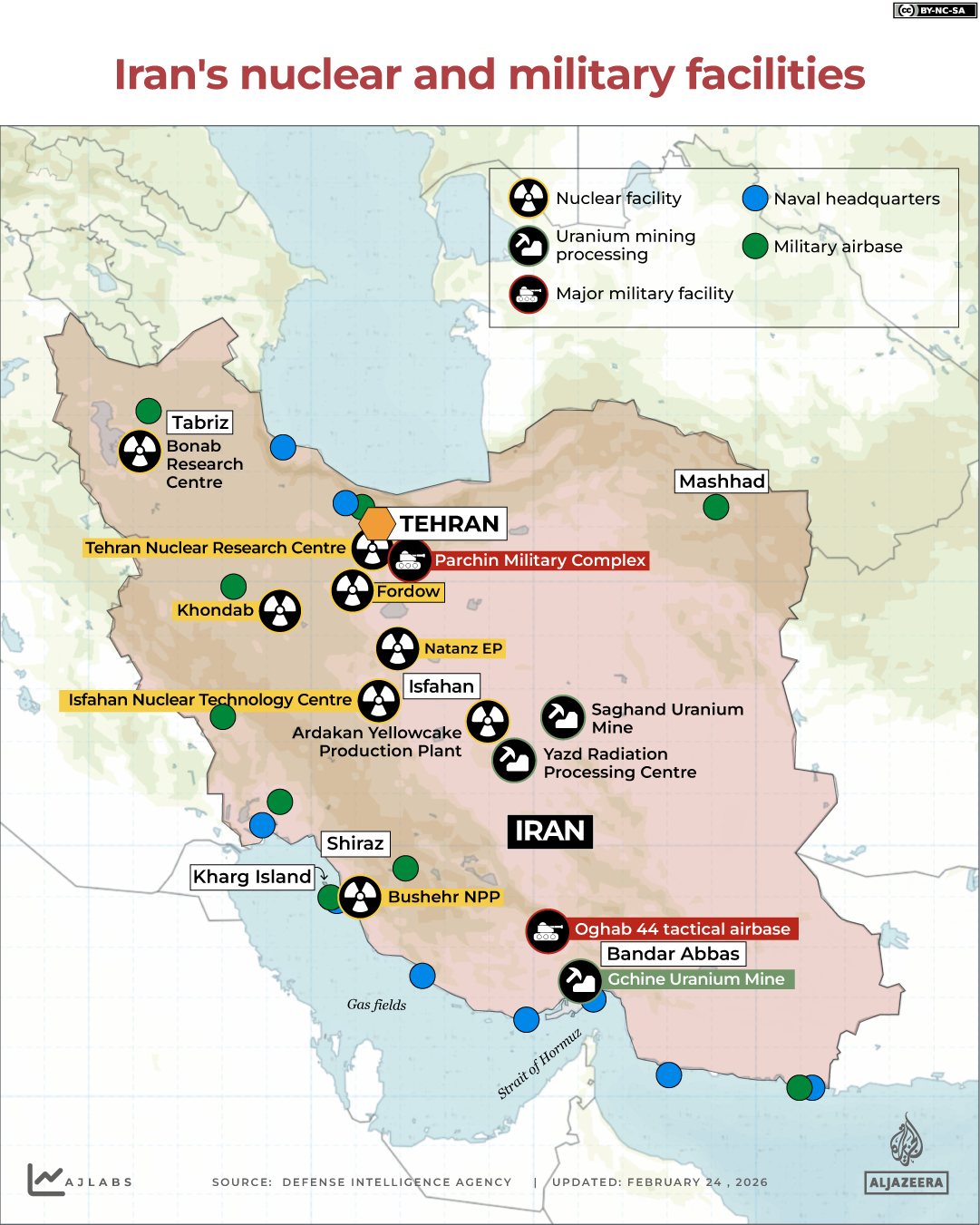
Tensions between Israel-US coalitions versus Iran have already sparked multiple military engagements targeting critical infrastructure including Natanz centrifuge plants along with sensitive complexes like Isfahan & Bushehr reactors-with tragic casualties exceeding one thousand lives last summer alone amid escalating violence linked directly or indirectly back towards these disputes .
despite setbacks ,analysts emphasize there remains room if both sides temper maximalist stances allowing pragmatic dialog focused primarily around mutual security guarantees combined economic benefits carefully balancing sovereignty concerns against proliferation risks.