Transforming psychedelic Research: A Fresh Federal Strategy
Federal initiatives have recently shifted toward accelerating scientific exploration of psychedelics such as psilocybin, MDMA, and ibogaine. This new direction seeks to legitimize an industry that has long operated on the fringes of mainstream medicine. Yet, it also raises questions about whether these substances will encounter regulatory delays similar to those experienced by cannabis over several decades.
Lessons from Cannabis Rescheduling Challenges
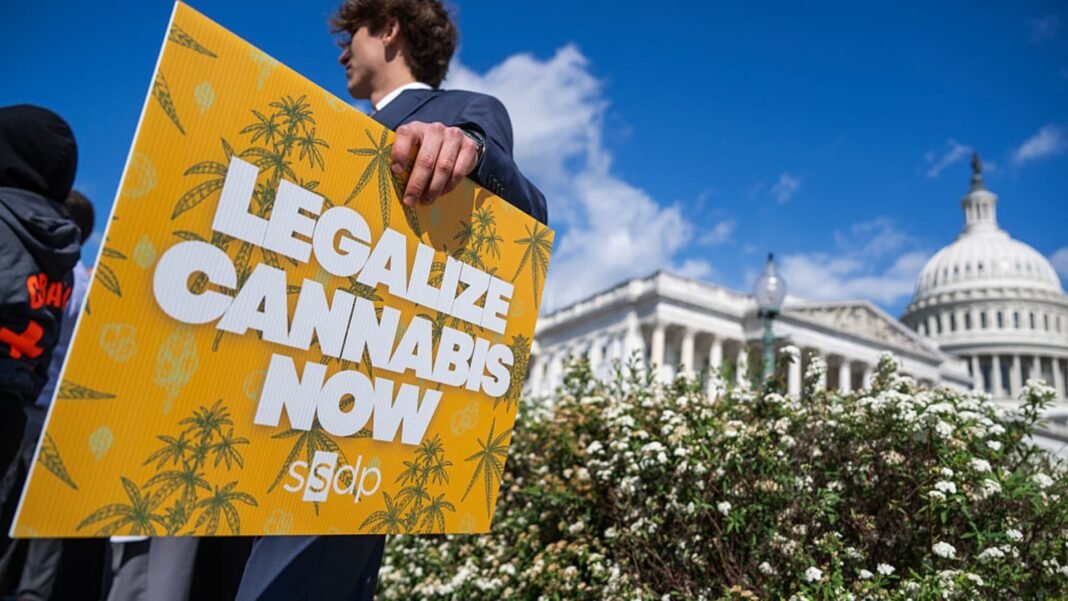
A few months before this new federal push, there was a presidential attempt to reschedule cannabis aimed at broadening research opportunities and attracting investment. Tho, progress remains stalled as the Drug Enforcement administration continues its prolonged review without reclassifying marijuana from Schedule I to Schedule III.This ongoing delay exemplifies how drug policy reforms often become mired in complex interagency negotiations where science, law, and politics collide.
Legal analysts highlight that stakeholders have faced years of frustration due to outdated classifications rooted in policies from the 1970s. The slow evolution underscores the difficulty in reconciling emerging scientific evidence with entrenched regulatory systems.
A Research-Driven Approach Over Immediate Legal Changes
The recent executive directive prioritizes expediting clinical trials and expanding “Right to Try” access for patients with severe mental health conditions rather than instantly altering drug scheduling statuses. Agencies like the U.S. Food and Drug Administration are tasked with facilitating these efforts while maintaining current legal frameworks.
This strategy contrasts sharply with cannabis reform efforts by focusing first on rigorous medical research instead of pursuing broad legalization or rescheduling at this stage.
Investor Confidence Reflects Market Optimism
The announcement triggered important gains among companies specializing in psychedelics; as an example, shares of Atai Life Sciences surged nearly 25% shortly after the order’s release. Other firms such as Compass Pathways and MindMed also saw notable increases in market valuation-signaling investor belief in growth fueled by expanded research activities.
A Patient-Centered Model Anchored in Science
Experts observe a growing trend within Washington toward adopting a healthcare-focused framework grounded firmly in scientific rigor-a model evident not only for psychedelics but potentially applicable to future cannabis policy reforms as well.
“The pathway forged through physician-led protocols combined with compassionate use programs provides a clear blueprint for advancing plant-based medicines,” remarked a legal expert specializing in drug policy reform.
Tackling Safety Concerns: Ibogaine Under Scrutiny
The inclusion of ibogaine-a powerful natural psychoactive compound-in federal discussions has attracted particular attention due to documented cardiac risks identified by national health researchers. While ibogaine shows therapeutic promise for PTSD, depression, and addiction treatment, safety concerns remain significant obstacles within U.S.-based clinical trials since much existing data originates internationally.
“Right to Try” laws now permit patients facing life-threatening illnesses access to experimental therapies following successful Phase I trials; however, ibogaine has yet to meet these criteria domestically because controlled studies within american institutions remain limited.
From Enthusiasm Toward methodical validation
Psychedelic industry leaders stress that moving beyond initial hype requires disciplined implementation-prioritizing strict safety standards led by medical professionals alongside complete real-world outcome monitoring systems. NeuroVita Clinic , located in Lisbon, exemplifies this approach by offering ibogaine therapy under stringent clinical supervision-demonstrating how international centers are pioneering treatment models pending broader validation across U.S.-based facilities.
Divergent State Policies: Psychedelics Versus Cannabis Growth
- Psychedelic Legislation: States like Oregon have legalized regulated psychedelic use since 2020; meanwhile New Jersey voters narrowly rejected similar measures last year (52% opposed), reflecting varied public attitudes toward psychedelic therapies nationwide.
- Cannabis Industry: In contrast, cannabis supports an established multibillion-dollar adult-use market across numerous states despite unresolved federal scheduling issues-providing infrastructure advantages not yet available within psychedelic sectors.
An Integrated Future for Botanical Therapeutics
Cannabis law specialists argue that both industries enhance each other’s legitimacy rather than compete directly.
“The regulatory pathways being developed around choice botanical medicines will mutually reinforce advancements across both fields,” noted one expert.
This synergy suggests shared benefits arising from evolving frameworks supporting innovative treatments derived from natural sources.”