Alberta Grapples with Expanding Feral Horse Populations and Their Impact
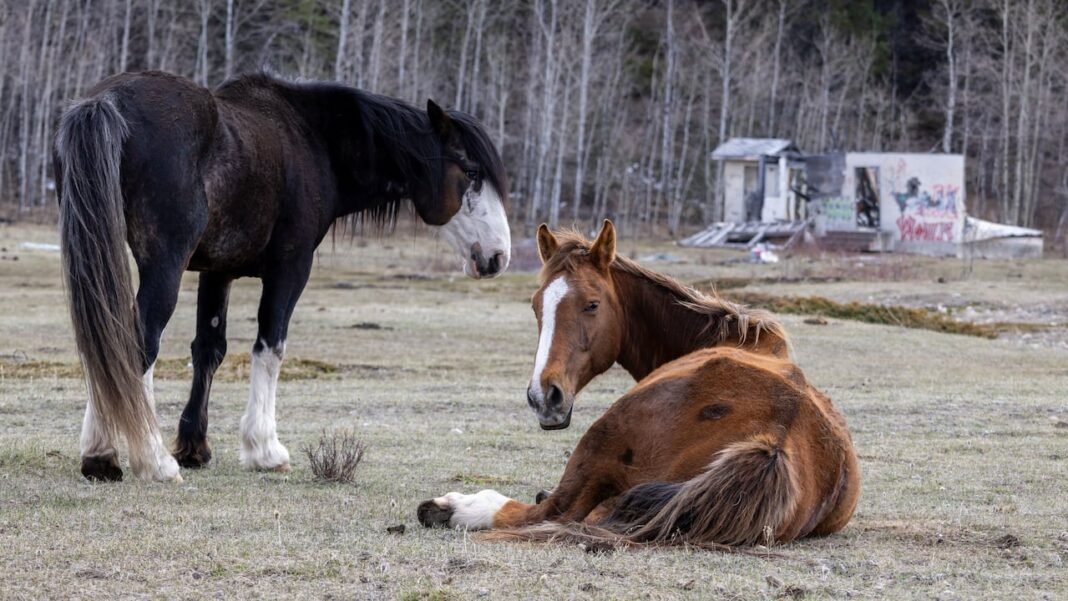
across the eastern slopes of alberta’s Rocky Mountains,especially near Highway 1 west of Calgary,herds of free-roaming horses have become increasingly prevalent. These wild equine groups have spread extensively throughout the foothills and grasslands, raising alarms among provincial officials about their rapid growth.
population Growth Spurs Urgent Management Challenges
Recent provincial data indicates a historic peak in feral horse numbers, with over 2,072 individuals identified across six designated equine management zones. This represents the highest population ever documented in Alberta and signals unsustainable densities in regions such as Sundre, Ghost River, Elbow, and Clearwater. Due to their significant ecological footprint, these horses are officially categorized as stray animals rather than native wildlife.
The Minister of Forestry and Parks highlights that unchecked herd expansion threatens critical grazing areas essential for cattle ranching operations and also habitats supporting indigenous wildlife species. “Protecting our natural landscapes requires maintaining a delicate balance,” he remarked.
Comprehensive Approaches to Population Regulation
The province’s 2023 feral horse management plan incorporates multiple strategies aimed at controlling herd sizes humanely. Licensed operators conduct capture programs to relocate surplus horses from overcrowded zones for adoption or sale. Additionally, fertility control measures targeting mares are being explored following recent federal approvals for immunocontraceptive use.
This integrated approach seeks not only to curb population growth but also to sustain healthy herds while mitigating environmental degradation caused by overgrazing pressures.
sundre Zone: Population Limits Tested Amid disputes
The Sundre equine management zone enforces a maximum threshold of 1,000 horses; though, current estimates suggest this limit has been surpassed with approximately 1,303 animals counted-an unprecedented figure as monitoring began. Local advocacy organizations challenge these official numbers based on their own field observations.
“Our aerial surveys recorded just above 1,000 horses this year,” states Darrell glover from the Help Alberta Wildies Society. “This is considerably lower than government reports.”
The group contends that last year’s count of around 855 compared with this sudden increase defies typical reproductive rates observed in wild horse populations.
Public Advocacy Shapes Debate Over Wild Horse Classification
The Help Alberta Wildies Society has mobilized significant online support-nearly 700,000 followers advocating for reclassifying feral horses as naturalized wildlife instead of strays subject to removal policies. Their petition has gathered over 15,000 signatures calling for legal protections against culling or disrupting family bands within herds.
“The government reduces these creatures to mere statistics,” Glover laments.”They fail to consider the trauma caused when foals lose their mothers or families are broken apart.”
Community-Driven Conservation: Veterinary Students Join Forces
A collaborative initiative between veterinary students at the University of Calgary and local non-profits exemplifies grassroots efforts toward sustainable herd management through medical interventions and fertility control techniques that reduce reliance on removals alone.
Ecosystem Implications Demand Balanced solutions
- Environmental strain: Excessive grazing depletes native grasses vital for other species’ survival;
- Agricultural conflicts: Competition between feral horses and livestock jeopardizes ranchers’ economic stability;
- Biodiversity threats: Habitat disruption affects bird populations and small mammals dependent on intact ecosystems;
- Sustainability objectives: effective population control supports long-term coexistence between humans and wildlife;
- Cultural heritage: horses hold deep historical meaning within Alberta’s rural communities.
Navigating Forward: Harmonizing Protection With Practical Management Efforts
Todd Loewen emphasizes that while managing numbers is crucial, “our goal remains ensuring feral horses continue thriving across our landscapes.” He notes ongoing enforcement against illegal captures reflects a commitment toward responsible stewardship rather than eradication.

The province continues refining its strategy by combining scientific research with community feedback-striving ultimately for solutions that honor animal welfare alongside environmental preservation.
An illustrative Case Study: Montana’s Humane Wild Horse program
Northern neighbor Montana recently adopted fertility control via immunocontraceptives paired with selective roundups resulting in stabilized herd sizes without resorting to mass removals-offering an effective model adaptable under similar conditions faced by Alberta.
“Montana demonstrates how compassionate interventions combined with public involvement can achieve ecological balance,” noted a conservation biologist involved in cross-border collaboration.
Synthesis: Addressing Complexities Surrounding Feral Horses In Alberta
- An unprecedented rise in free-ranging horse populations necessitates immediate attention due to ecosystem impacts;
- Diverse tools including contraception programs alongside capture-and-adoption initiatives form key components;
- Tensions remain between official data versus advocacy findings underscoring need for transparent monitoring;
- Broad public engagement highlights cultural importance influencing policy discussions around classification status;
- Sustainable coexistence depends on cooperative efforts blending science-based methods & community values alike.