Geely’s Strategic Approach to Breaking into the U.S. Automotive Market
Despite ongoing political resistance from both major U.S. parties aiming to limit Chinese vehicle imports, more than 100 Chinese automotive manufacturers, technology companies, and parts suppliers have already established operations within the United States. This foothold remains firm even as the U.S. enforces a full 100% tariff on electric vehicles imported from China and debates regulations that could restrict connected Chinese cars on American roads.
Chinese Automotive Presence Deeply Rooted in America
Several leading Chinese firms have successfully navigated these challenges by investing directly in domestic production and partnerships. As an example, BYD produces electric buses in California, while CATL-a top global battery manufacturer-has teamed up with Ford Motor Company to licence technology for a battery plant based in Michigan.
A particularly influential player is Zhejiang Geely Holding Group (commonly known as Geely), which holds notable stakes in three automakers active within the U.S.: Volvo Cars, Polestar, and Lotus. additionally, Geely owns minority shares of luxury brands Mercedes-Benz and Aston Martin.
Leveraging Dealer Networks and Manufacturing Facilities for Competitive Advantage
A critical strength for Geely lies in its access to well-established dealer networks through ownership of Volvo Cars, Polestar, and lotus-an advantage often overlooked by competitors lacking physical presence across American states.Industry experts emphasize that having an extensive service infrastructure is essential for supporting vehicle sales and ensuring customer satisfaction throughout such a vast market.
Moreover, Volvo’s manufacturing plant near Charleston, South Carolina-which produces both Volvo and Polestar models-provides Geely with valuable domestic production capacity. Although this facility has an annual output potential of approximately 150,000 vehicles, only about 18,500 units were manufactured there during 2025. Plans are underway to boost production by roughly 45,000 units annually with new hybrid SUV models like the XC60.
This expansion aligns with Volvo’s goal to increase its American sales volume significantly-from around 122,000 units projected for 2025 toward nearly 200,000-with at least half expected to be produced locally.Analysts suggest that utilizing this factory for future Chinese-branded EVs could lower costs by spreading fixed expenses over higher volumes.
The Rise of Zeekr: A Leading Contender Among Chinese Brands Targeting the U.S.
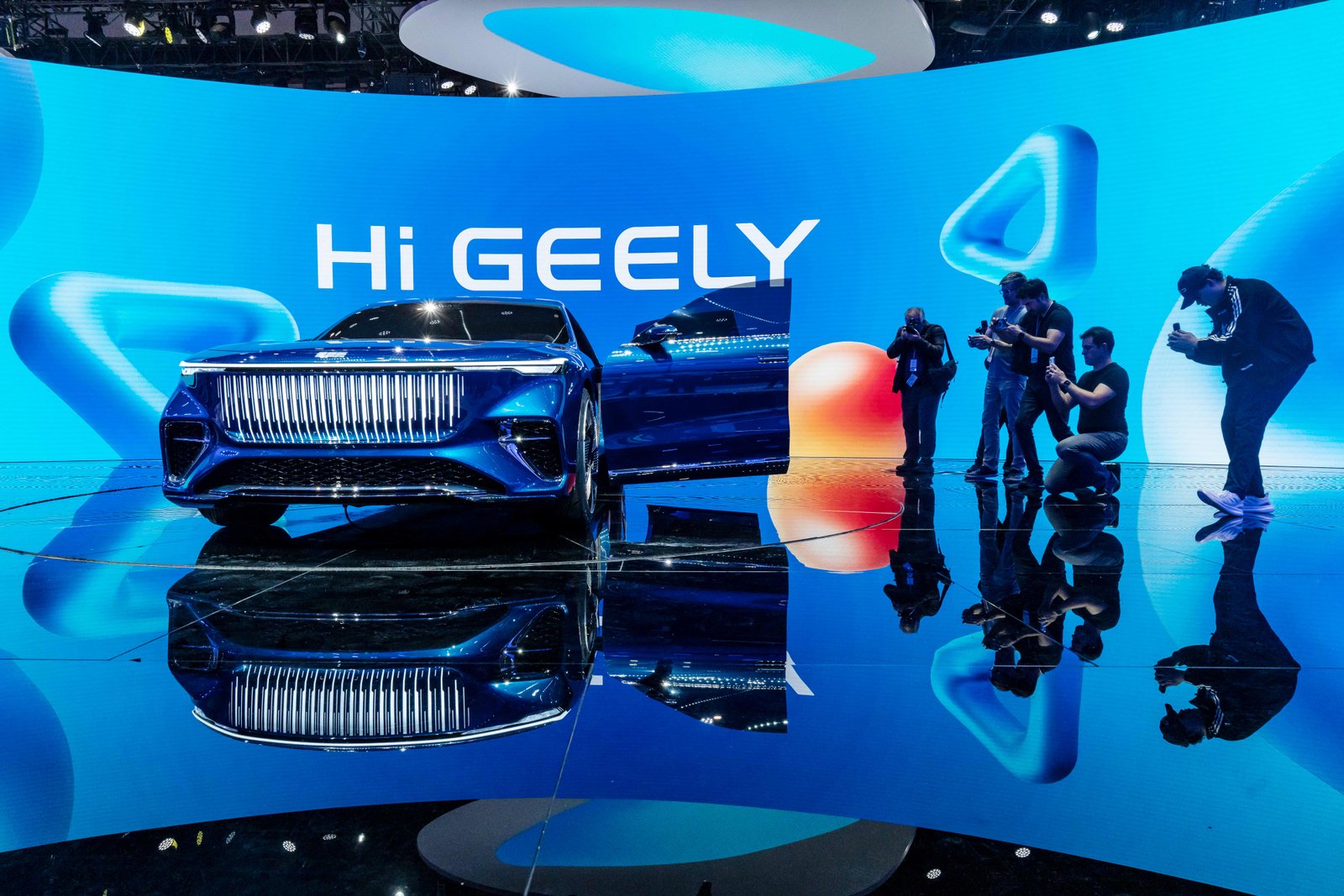
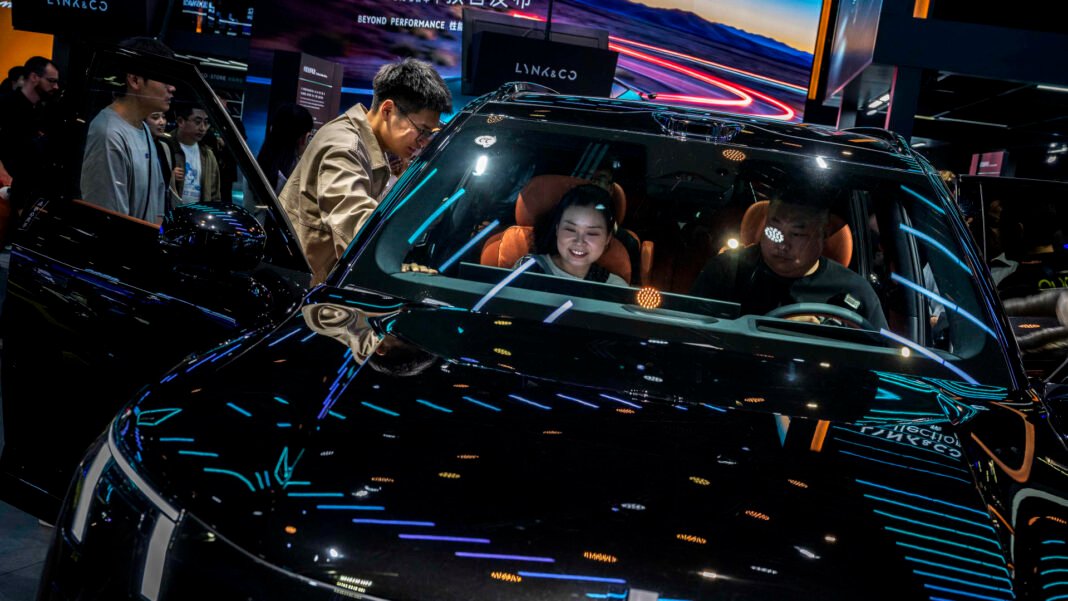
The name “geely” can refer broadly to its holding company or specifically its publicly traded subsidiary automaker operating several domestic brands including Zeekr and Lynk & Co., alongside the flagship Geely brand itself.
Among these brands, Zeekr emerges as a frontrunner poised for entry into the American market. Notably, Waymo has started deploying Zeekr vehicles equipped with autonomous driving technology within San Francisco’s ride-hailing fleet, demonstrating confidence in their platform amid fierce competition involving other manufacturers like Jaguar (I-Pace), Hyundai,and Toyota partnering similarly on self-driving initiatives.
Navigating Market Challenges Through Strategic Partnerships
- Diverse Collaborations: Some companies explore rebadging popular existing models under trusted names such as Jeep or Fiat-leveraging established dealer networks familiar to American consumers rather than relying solely on direct imports or new factories.
- Bipartisan Political environment: While opposition remains strong against foreign-made car imports, there is growing acceptance toward foreign automakers establishing manufacturing plants on U.S soil.
- Evolving Policy Perspectives: Former President Donald Trump publicly encouraged foreign carmakers building factories domestically during economic forums-highlighting job creation benefits nonetheless of origin.
The Path Forward: Growth Opportunities Amid Regulatory Complexities
“If they want to come build plants here using our labor force-that’s great,” remarked industry observers reflecting broader economic pragmatism despite geopolitical tensions.
This pragmatic approach suggests that although tariffs remain steep on imported EVs from China today, investment into local assembly lines may provide an alternative route enabling smoother access into America’s lucrative auto market over time.
A Global Outlook: Automakers’ Stakes in The Future Of Mobility
- Diversification Tactics: Global players like Stellantis hold significant equity positions (~20%) within emerging Chinese EV startups such as Leapmotor – illustrating how multinational corporations hedge bets across markets instead of relying solely on homegrown products.
- Evolving Consumer Demand: With worldwide electric vehicle sales surpassing $15 million units globally just last year (2023),tapping cross-border synergies becomes increasingly crucial.
- Tapping Innovation Ecosystems: Collaborations between tech giants (e.g., Waymo) &&&&&&; automakers accelerate development cycles bringing advanced driver assistance systems closer towards mass adoption.
Synthesis: Why Monitoring Geely Is Crucial For The Future US Auto Landscape
Zhejiang Geely Holding Group’s strategic investments across multiple well-known brands operating inside America grant it unique leverage compared with competitors dependent solely on imports.
By capitalizing upon existing dealer infrastructures combined with expanding localized manufacturing capacity-and aligning closely with cutting-edge autonomous vehicle projects-the company positions itself not merely as another foreign entrant but potentially a long-term influencer shaping mobility trends within one of today’s largest automotive markets.