Endurance Amidst Adversity: The Masallam Family’s Life in Khirbet al-Marajim
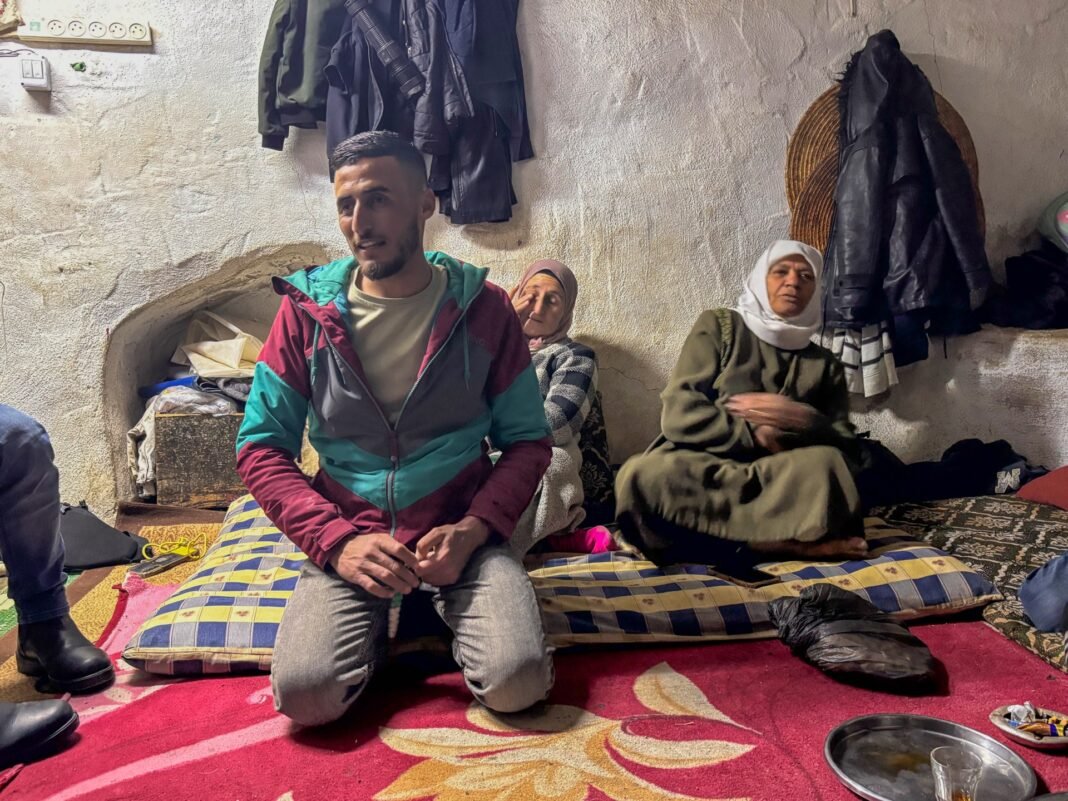
Khirbet al-Marajim, West Bank under occupation – the Masallam family home bears visible marks of settler violence, with a battered metal door scarred by an axe. Inside, the scent of homemade cheese fills the air beneath a vaulted stone ceiling. Simple mattresses lie atop woven carpets on the cold floor, while prayer beads hang near the damaged entrance as silent witnesses to ongoing hardship.
A multi-generational Household Bound to their Ancestral Land
The Masallam residence comprises three modest single-room buildings sheltering 15 family members throughout the year. Visitors and relatives often join for evening gatherings filled with tea and conversation around arghila pipes, swelling their numbers regularly. A stone wall encloses an open courtyard where women wash clothes, prepare dairy products, and gather around fires when temperatures drop.
Nayef, 52 years old and stepson to matriarch Hajja Latifa, shares his quarters with his sons inside a century-old stone house featuring thick walls topped by a roof crafted from thorny brush mixed with clay and straw.Nearby stand two tin shacks-one housing Nayef’s eldest son Muhammad’s young family; another reserved for female relatives.
Khirbet al-Marajim is one of only two inhabited homes within this sparsely populated hamlet known for its rolling hills and archaeological heritage dating back thousands of years. Situated roughly one kilometre southwest of Duma-a Palestinian town perched on a mountain ridge overlooking the Jordan Valley-the area remains isolated from major urban centers.
Stewards of Generations-Old Pastures
The Masallams have tended these lands for generations through farming and sheep herding across their hilltop overlooking nearby valleys below.”If they manage to displace us,” explains 24-year-old Thabet-often acting as spokesperson during crises-“they will control all these grazing fields.” He emphasizes that settlers target their home because it symbolizes resistance against widespread land seizures threatening neighboring communities.
From Tranquility to Turmoil: A Shift Marked by Violence
Hajja Latifa recalls peaceful days before tragedy struck: “Life was safe then.” that sense vanished after her husband Musa was killed following an altercation involving settlers near Allon Road close to kokhav HaShahar settlement-an outpost deemed illegal under international law but recognized by Israeli authorities as recently as 2023.
“Every day felt precious with him,” Thabet reminisces about his grandfather Musa who often rode his donkey into Duma before being fatally struck by a settler’s motorcycle in 2016.
Musa sustained critical injuries; despite immediate first aid attempts from family members nearby only Palestinian ambulances transported him toward hospital care where he died en route. No legal accountability followed despite formal complaints lodged against the settler responsible.
A Legacy Carved Through loss Yet Filled With Hope
Musa’s memory endures through namesakes among younger generations-Nayef’s youngest son Musa is now seven years old; Muhammad named his own child after him just over two years ago-a symbol of hope amid ongoing adversity.
Escalating Settler Hostilities Following Late 2023 Conflict Surge
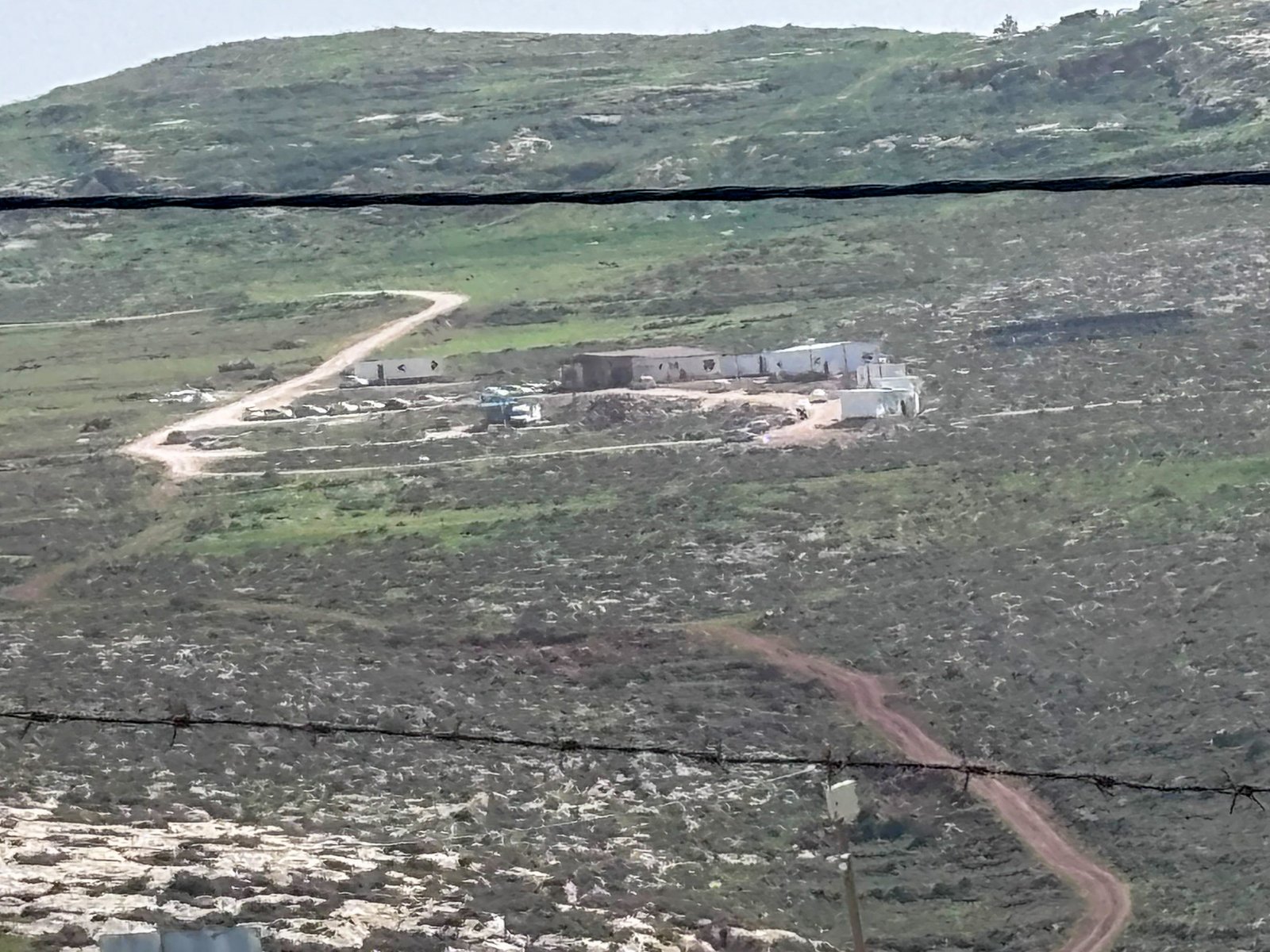
The aftermath of October 7th attacks inside Israel in late 2023 triggered heightened violence across West Bank communities-including forced displacement affecting nearly six thousand Palestinians from over one hundred villages according to UN data-which intensified pressures around Khirbet al-Marajim. Settlers established Malachei HaShalom outpost here in 2015; it gained official legalization eight years later; satellite outposts emerged within walking distance starting November 2024 further disrupting daily life for families like the Masallams’.
A Devastating Night That Changed Everything
The night of March 14th, 2025 brought another brutal episode when approximately thirty settlers armed with stones and axes attacked under army patrol surveillance at compound entrances-a grim warning sign according to Thabet:
“Just five minutes before they arrived I sensed something terrible was coming.”
The assailants shattered windows across multiple homes including those belonging to Nayef and Muhammad while setting fire both to Muhammad’s house-and critically-to their car parked outside.Terror gripped them most when they realized two infants locked safely inside were missing amidst chaos caused by rapidly spreading flames once thought contained within secure rooms.
“We feared we had lost our children,” Mona tearfully recalls how young Musa (18 months) & sister Mira (6 months) were briefly abducted but thankfully found moments later abandoned alone outside amid freezing darkness after locals chased off attackers.”
An unrelenting Cycle Of Harassment And Destruction Continues
- Cattle deliberately released into olive groves devastate centuries-old trees essential for livelihood;
- Sustained damage slashed annual olive oil production drastically-from roughly 1,000 litres down to just ten litres last season;
- Lands remain inaccessible due to military restrictions blocking wheat harvests consecutively over three years;
- Cattle feed expenses have surged fivefold imposing unbearable financial strain;
- Deterioration extends beyond physical destruction causing deep psychological trauma affecting all ages within household boundaries.
The Daily Reality Of Intimidation And Physical Assaults
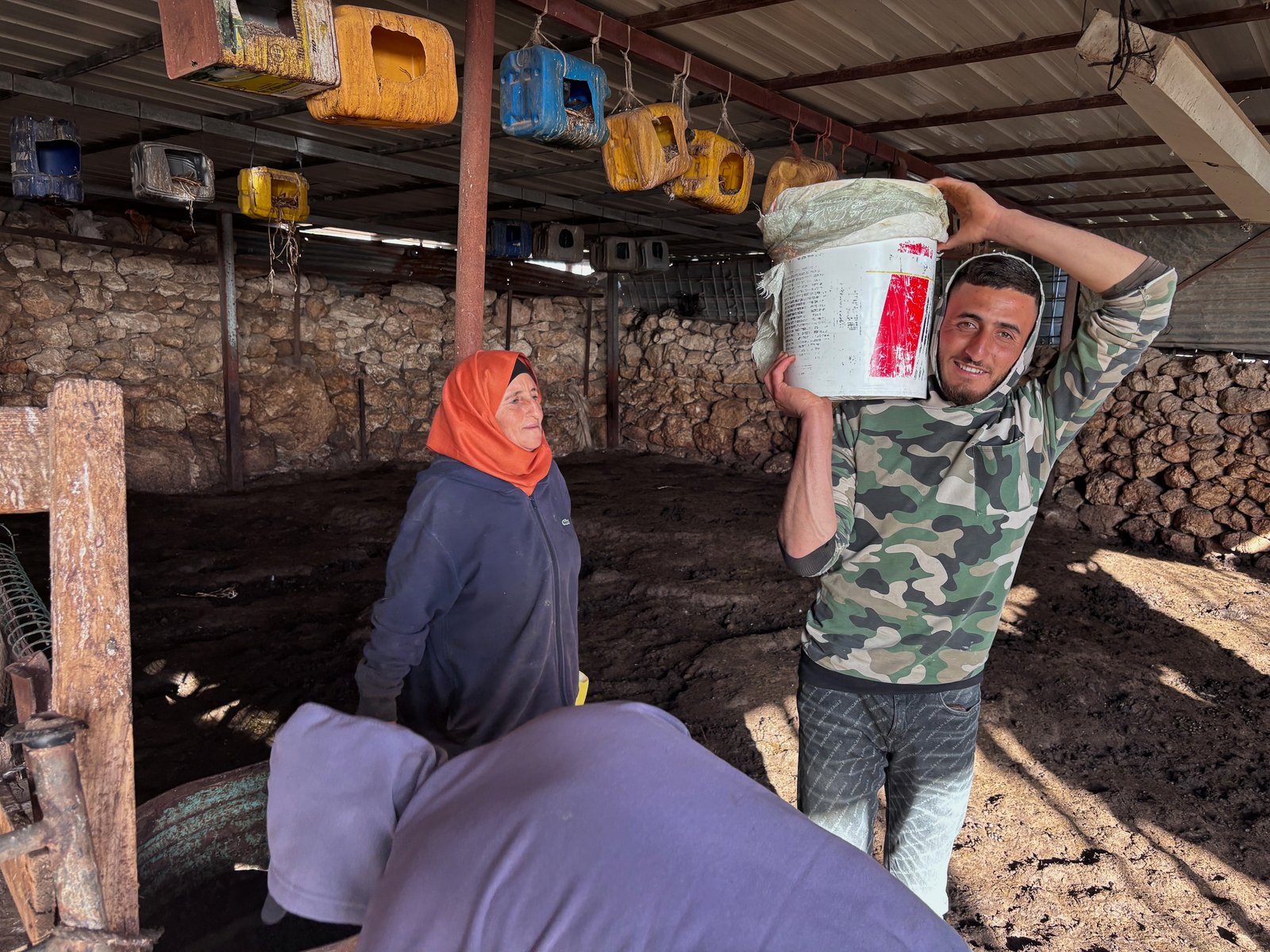
mornings often begin with silent incursions by settlers riding ATVs provided through government agricultural programs-but repurposed as tools for harassment against palestinians like Muhammad who has endured repeated physical assaults witnessed or documented by activists offering protective presence nearby:
- Muhammad suffered beatings while soldiers stood aside permitting abuse during confrontations involving vehicle confiscations labeled ‘illegal’ despite prior ownership proof;
- Sons Salman (15) describes how army tactics normalize previously forbidden violence including handcuffing victims then allowing direct settler attacks targeting them;
- Troops destroyed vehicles twice rendering transportation impractical forcing children onto hazardous footpaths or reliance on external help just reaching school three kilometres away daily;
- Nayef sustained lasting injuries following unprovoked beatings causing muscle tears requiring ongoing medical care-all part of escalating brutality coinciding with deployment increases early this year intensifying pressure on residents here.
nurturing Resilience amid Fear And Hardship
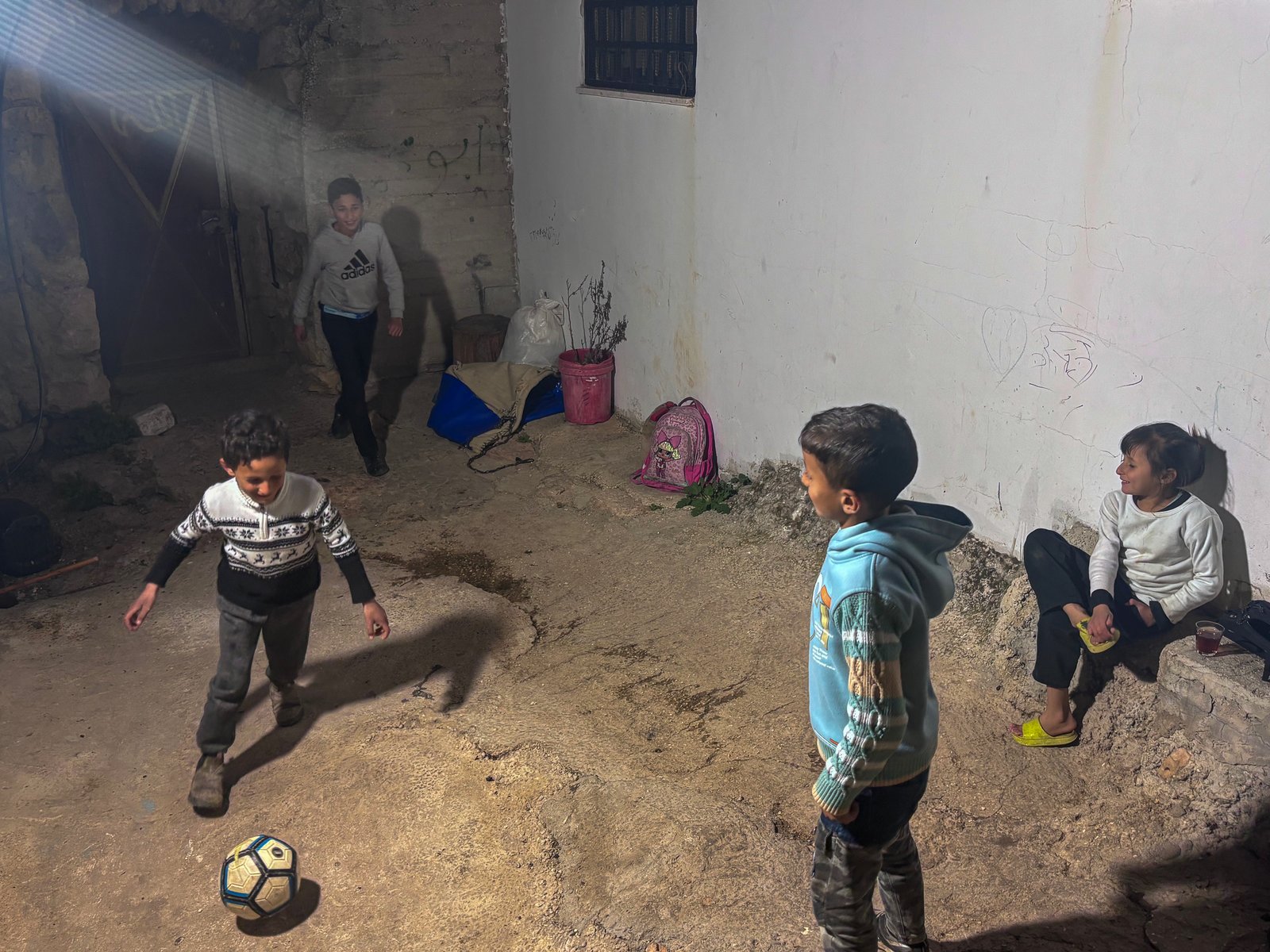
Beneath relentless pressure lies resilience expressed through folk songs hummed softly during milking rituals or shared laughter echoing off stone domes even while shadows loom large beyond walls:
“We laugh because if we don’t laugh we would break,” says Thabet reflecting how humor sustains spirits amid daily psychological warfare waged against them all.”
- Younger generation clings tightly together playing indoors rather than risk exposure outdoors due to threats posed by roaming settlers lurking nearby;
- Mothers keep children securely locked away whenever strangers approach hoping protection will hold;
Mona describes constant vigilance required as infants experienced abduction trauma during previous arson attack;
An Unbroken Spirit Despite Persistent Threats
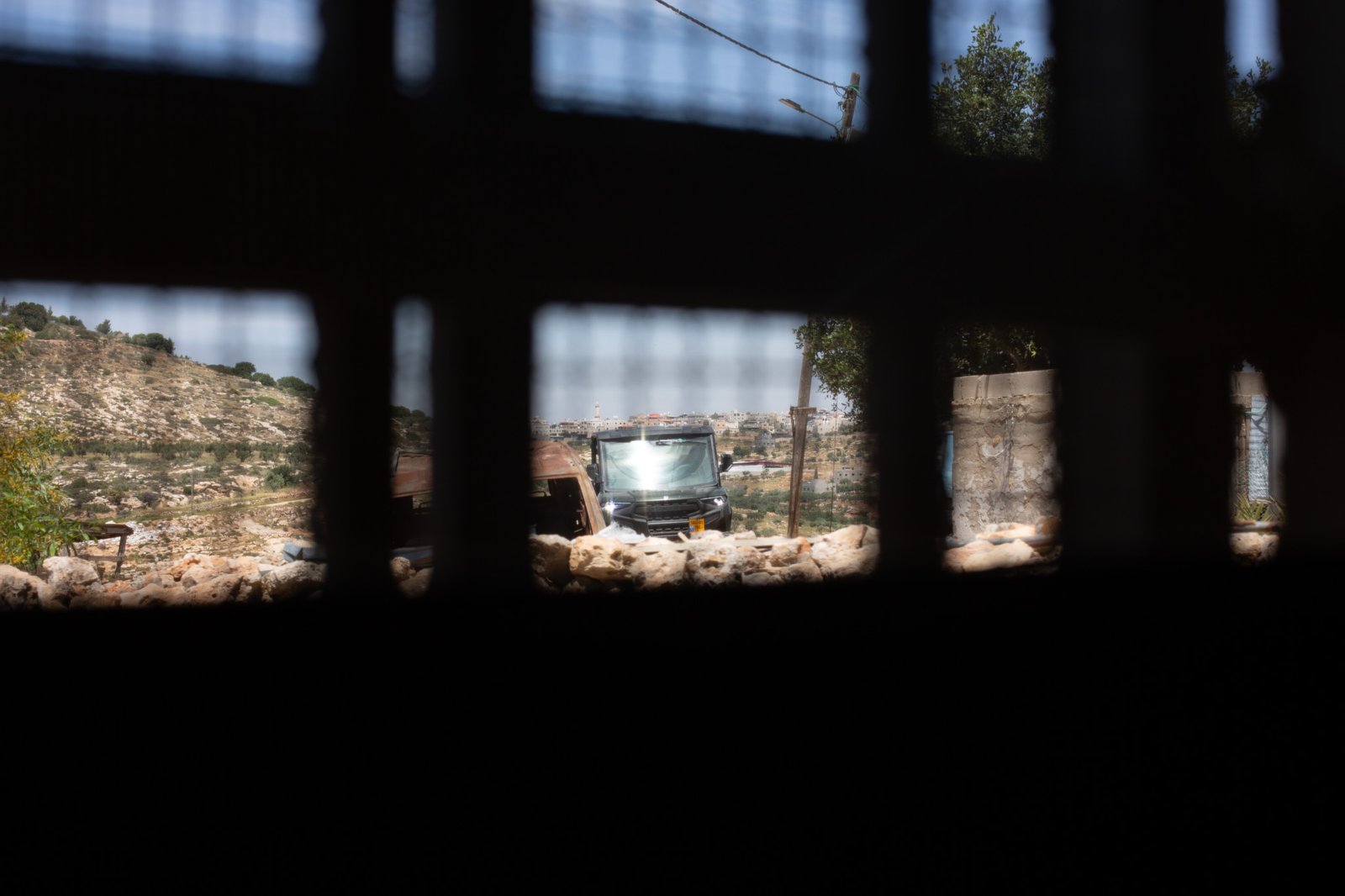
despite increasing obstacles such as roadblocks severing access between Marajim & Duma town cutting off vital supplies including fuel medical care groceries plus market opportunities selling conventional cheeses produced locally – combined military orders declaring archaeological zones threatening demolition – community spirit remains resilient among remaining residents determined not surrender ancestral homes nor heritage land holdings.
The distant roar continues faint yet unmistakable signaling ongoing incursions yet laughter rings clear defiant testament enduring human spirit thriving even amidst adversity.