Taiwan Reinforces Sovereignty Amid Intensifying Cross-Strait Challenges
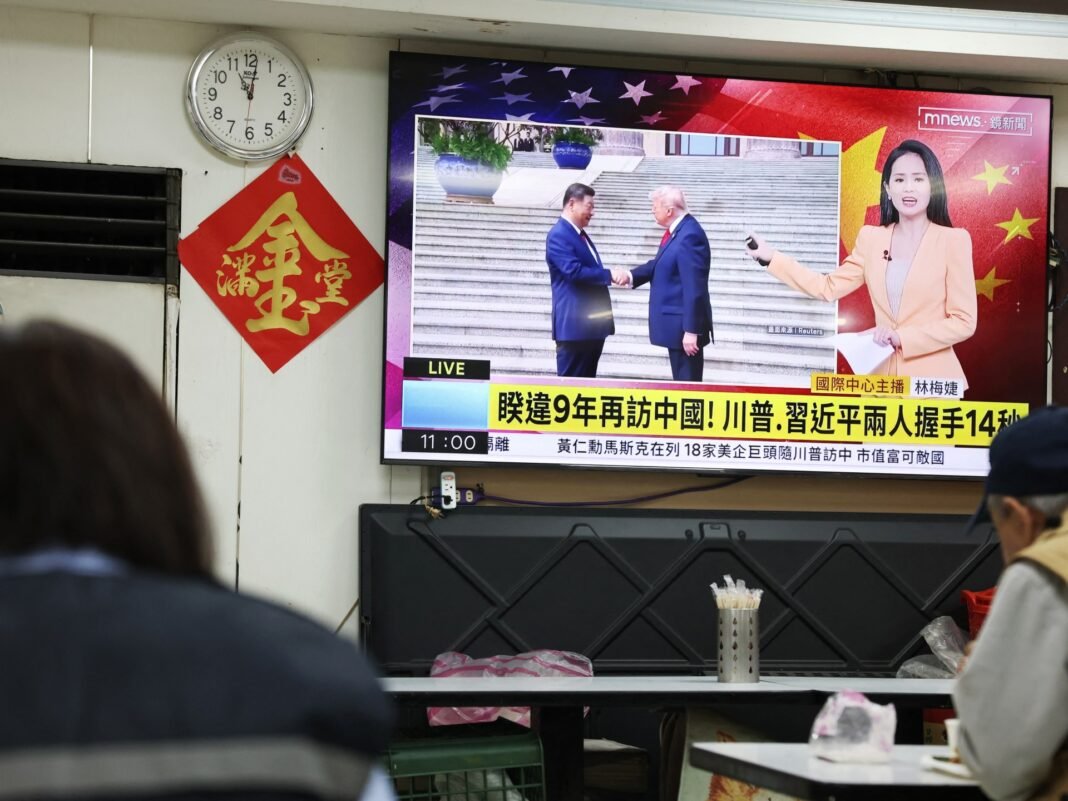
Following a prominent visit by the United States President to China, Taiwan has issued a clear and resolute statement affirming its status as an autonomous and self-governing entity. While firmly asserting its sovereignty, Taiwan also emphasized its commitment to preserving the existing “cross-strait status quo,” deliberately avoiding any formal declaration of independence that could heighten tensions with Beijing.
Clarifying Taiwan’s Stance on Independence
This declaration from Taiwan directly responds to comments made by the US President shortly after leaving Beijing, where he expressed hesitation about endorsing Taiwanese independence. The president cited concerns over potential military conflict involving an island situated nearly 15,000 kilometers from the US mainland.
The complexity surrounding Taiwan sovereignty issues is deeply rooted in past conflicts dating back to the Chinese civil war in the mid-1900s. Although Washington stops short of officially recognizing Taiwanese independence, it continues to support Taipei through arms sales and diplomatic gestures that imply possible defence commitments should China initiate hostilities.
Diplomatic Developments Highlight Taiwan’s Central Role
The recent summit between US and Chinese leaders brought Taiwan into sharp focus amid rising geopolitical tensions. Chinese officials reiterated that Taiwan remains “the most critical issue” affecting bilateral relations and warned that mishandling this matter could destabilize global peace.
On his return flight, the US President acknowledged China’s firm opposition to Taiwanese independence but avoided making explicit promises regarding future policy or military backing. He also voiced uncertainty about approving an $11 billion arms sale package for Taiwan’s defense already authorized by Congress.
A More Cautious Military Posture emerges
This shift toward caution contrasts with previous administrations’ more assertive rhetoric on defending Taiwan militarily. The president questioned whether deploying American forces thousands of miles away was advisable and advocated for de-escalation between China and Taiwan rather then encouraging moves toward formal independence supported by Washington.
The Endurance of Strategic Ambiguity in US Policy
The United States maintains its long-standing approach of strategic ambiguity concerning Taiwan sovereignty issues, neither formally recognizing it as an independent nation nor fully endorsing Beijing’s claims over the island. This nuanced stance aims to deter unilateral changes while preventing direct confrontation with China.
Despite occasional public statements hinting at possible intervention-such as those made during televised interviews-the official position remains intentionally vague about whether military assistance would be provided if conflict erupted across the strait.
Sustained Support Through Defense Sales and Economic Ties
Washington continues robust trade relations with Taipei alongside regular defensive arms shipments mandated under legislation enacted in 1979. These efforts serve both as security assurances for Taiwan and deterrents against regional threats posed primarily by China’s expanding military presence near contested waters throughout East Asia.
Taiwan’s Strategic Response Amid Regional Uncertainty
taipei has reaffirmed that despite external pressures, its partnership with washington remains strong without deviation from established policies on either side. Officials identified China’s growing military maneuvers as “the primary source of insecurity” threatening peace within their region today.
“Arms sales are not just commitments toward our security but symbolize shared deterrence against broader regional challenges,” stated representatives from Taipei’s Ministry of Foreign Affairs following these developments.
Navigating Complex Alliances: lessons From Asia-Pacific Dynamics
This scenario reflects similar geopolitical balancing acts seen elsewhere in Asia-Pacific where smaller nations assert autonomy while managing relationships between major powers-for instance, Indonesia balancing economic cooperation with both China and Western countries amid South China Sea disputes exemplifies comparable diplomatic tightrope walking currently faced by Taipei.
Final Thoughts: Balancing Stability With Sovereign Identity Affirmation
Taiwan remains steadfast in upholding its sovereignty yet opts for prudence over provocation by maintaining current cross-strait dynamics without declaring outright independence. Concurrently, Washington preserves strategic ambiguity designed to prevent escalation while continuing support through defense collaboration and trade partnerships-an approach reflecting evolving realities within one of today’s most sensitive international relationships involving Taiwan sovereignty issues.