



Cracker Barrel Reverses Its Rebranding Strategy to Prioritize Customer Experience
Financial overview and Market Response
In its latest fiscal fourth-quarter report, Cracker Barrel Old contry store revealed a mixed financial outcome that fell short of some investor expectations. The company posted adjusted earnings per share of 74 cents,slightly under the predicted 80 cents,while generating $868 million in revenue-exceeding the forecasted $855 million. Despite this revenue outperformance, the stock declined nearly 10% during after-hours trading following the proclamation.
Looking forward to fiscal year 2026,Cracker Barrel anticipates total revenues ranging from $3.35 billion to $3.45 billion, which is below analysts’ consensus estimates of approximately $3.52 billion. Additionally, management expects same-store traffic to decline between 4% and 7%, highlighting ongoing challenges as consumer behaviors continue evolving in a competitive dining landscape.
the Rebranding Controversy: From Iconic Tradition to Modern Minimalism-and Back Again
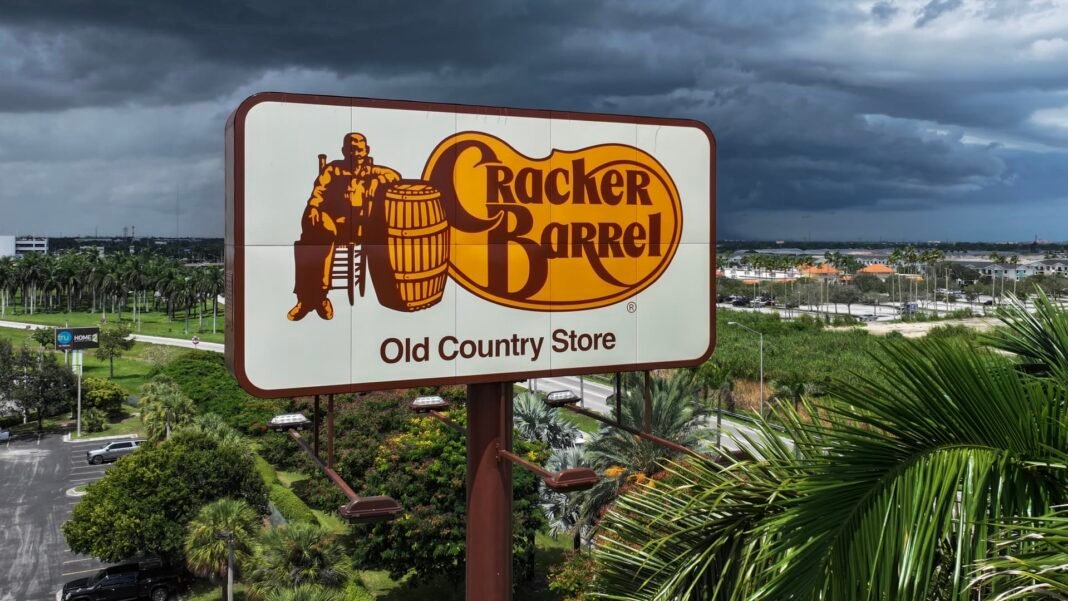
This past summer, Cracker Barrel introduced an enterprising rebranding initiative aimed at refreshing its image for contemporary audiences.central to this effort was retiring the beloved logo featuring “Uncle Herschel,” depicted sitting on a wooden chair beside a barrel-a symbol synonymous with Americana-and replacing it with a sleek black-and-yellow emblem displaying only “Cracker Barrel.” plans also included remodeling restaurants to reflect this modernized aesthetic.
The new branding met immediate resistance online where many customers criticized it as lacking warmth and character. On social media platforms like X (formerly Twitter), conservative commentators argued that removing traditional imagery diminished Cracker Barrel’s American heritage in favor of broader diversity and inclusion messaging-sparking heated debates about cultural identity within brand evolution.
Customer Loyalty Spurs Rapid Strategic Pivot
The strong negative feedback compelled swift reconsideration by company leadership. CEO Julie Masino admitted that although extensive market research informed their approach, it underestimated how deeply customers connect emotionally with Cracker Barrel’s nostalgic roots.
“Our guests see themselves reflected in Cracker Barrel’s story-that bond ignited such passionate reactions,” Masino shared during an analyst briefing.
In response,all planned restaurant renovations tied to the rebrand were suspended immediately and the original Uncle Herschel logo was reinstated across locations-including four stores already updated with modern designs now reverting back to classic signage-as part of this renewed focus on tradition.
Reaffirming Core Values Through Community Engagement
To deepen customer relationships moving forward, Cracker Barrel has launched “Front Porch Feedback,” an interactive platform inviting loyalty program members to share real-time input after each visit. This initiative aims at fostering continuous dialogue between guests and staff while driving customer-focused improvements across menus and service experiences.
Merging Heritage With innovation for Lasting Growth
“Cracker Barrel represents more than just dining or retail-it embodies America’s front porch spirit,” Masino emphasized. “We are committed both to honoring our legacy and evolving thoughtfully.”
This balanced approach mirrors trends seen among other heritage brands like Bob Evans Farms which have recalibrated modernization efforts after consumer backlash over perceived loss of authenticity-a reminder that innovation must respect foundational identity.
Bigger Picture: Market Impact and Cultural Importance
- Stock Fluctuations: Since announcing its rebrand earlier this year, Cracker Barrel experienced swings nearing $100 million in market capitalization driven largely by shifts in public sentiment toward brand changes.
- Cultural Resonance: The episode underscores how deeply brand symbolism influences customer loyalty beyond product quality or financial performance alone.
- Evolving Consumer Preferences: Post-pandemic dining habits increasingly favor comfort food combined with convenience; brands must innovate carefully without alienating their core audience base amid these shifting expectations.
The Importance of Genuine Customer Dialogue During Change Management
This rapid reversal highlights how critical authentic engagement is when navigating transformations within cherished institutions. By openly embracing feedback through new channels like Front Porch Feedback-and recommitting publicly by restoring iconic symbols such as Uncle Herschel-the company seeks not only recovery but long-term growth grounded firmly in community trust and shared values.
A parallel from Another Industry: Levi’s Revival Through Heritage Emphasis
A comparable example can be found in Levi Strauss & Co., which revitalized sales by doubling down on vintage styles closely tied to their heritage rather than pursuing drastic redesigns that risked alienating loyal customers-a strategy resulting in double-digit growth amid fierce global apparel competition over recent years.
The Path Forward for Cracker Barrel Old Country Store
navigating between preserving time-honored traditions while embracing necessary evolution remains complex yet essential for culturally embedded brands like Cracker Barrel Old Country Store. their experience serves both as a cautionary tale about misreading customer attachment-and as an instructive blueprint demonstrating how attentive listening combined with decisive action can restore confidence during challenging transitions toward future success rooted firmly in legacy values.


