SpaceX Starship Test Stand Explosion: Current Updates and Future Outlook
Unexpected Blast During Starship Testing in Texas
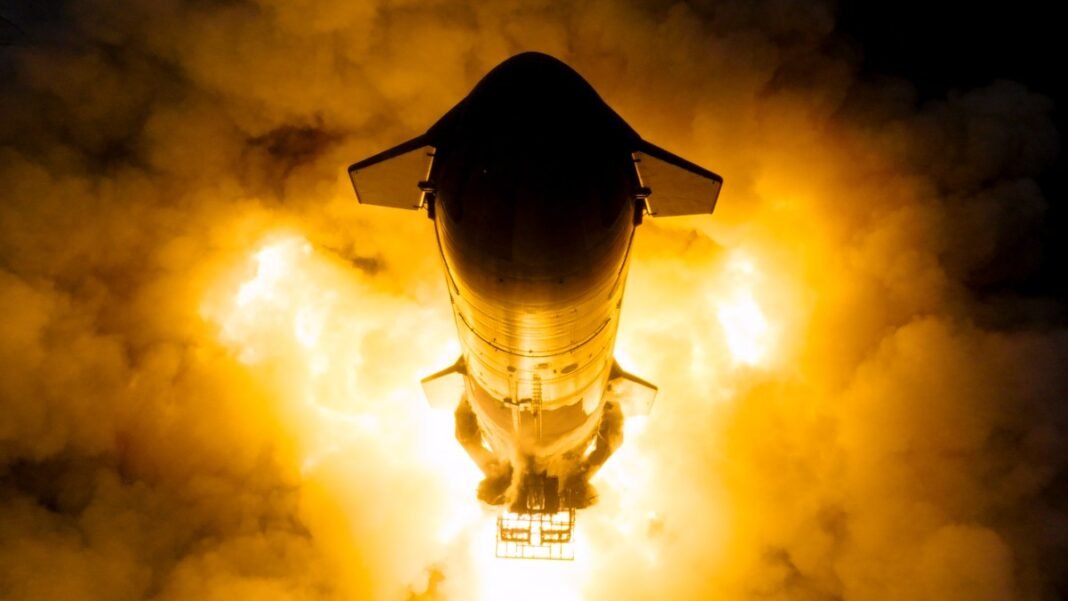
In the late hours at spacex’s Texas testing site, a significant explosion occurred involving one of the company’s Starship prototypes on its test stand. This incident happened amid preparations for what was intended to be the tenth experimental flight of their heavy-lift rocket system, designed to transform space exploration.
SpaceX quickly assured that all personnel present during the event are safe and accounted for, stressing that no threat exists to nearby residents.At this stage, specific information about what triggered the explosion has not been released.
Impact on Upcoming Launch Timelines
The repercussions of this accident on SpaceX’s ambitious launch schedule remain unclear. The Federal Aviation Administration (FAA) had recently signaled potential approval for a Starship launch as early as June 29, reflecting regulatory support for increasing flight cadence.
Despite this setback, Elon Musk expressed a positive outlook by downplaying the severity of the event as “just a scratch,” implying it will not significantly derail overall program progress.
A Deep Dive into SpaceX’s Accelerated Development Strategy
over recent years, SpaceX has aggressively advanced its 171-foot-tall Starship spacecraft alongside its massive 232-foot Super heavy booster. Early in 2025, company executives described this year as potentially “transformational” for their ambitions in space travel. Supporting these efforts, FAA approvals have expanded allowable launches within Texas airspace from five up to twenty-five annually.
Main Challenges Encountered by Starship Throughout 2025
- The seventh test flight in January ended abruptly when an unexpected explosion destroyed the vehicle shortly after liftoff.
- A March attempt failed due to loss of control during ascent phases.
- The ninth trial conducted in May progressed further than previous flights but ultimately did not succeed in deploying onboard dummy payloads meant to simulate future satellite deployments critical for expanding global internet coverage through SpaceX’s constellation network.
Mars Missions and Next-Generation Innovations
Musk remains dedicated to launching Mars missions by 2026 with roughly equal odds of success according to recent statements. Concurrently, development continues on an upgraded “Version 3” iteration of starship expected later this year-aiming at enhanced reliability and performance essential for interplanetary journeys.
The Wider Industry Viewpoint: Commercial Rocketry Progress and Trends
This latest mishap highlights how rocket development remains highly challenging despite technological advances while showcasing how private aerospace firms like SpaceX persistently innovate under demanding schedules. For instance,Blue Origin has also experienced multiple engine failures during New Glenn tests but continues refining designs toward orbital readiness-a clear example of industry-wide resilience amid setbacks.
“Every failure brings us closer to success,” Musk remarked recently when discussing lessons learned from iterative testing across numerous prototypes.”
Future Implications: The Road Ahead for Heavy-lift Rockets
Pioneering operational heavy-lift rockets capable of transporting humans beyond Earth orbit is inherently complex and filled with technical obstacles. While explosions such as these temporarily hinder progress, they yield invaluable data that drive engineering improvements vital for eventual mission achievements-whether deploying vast satellite constellations or enabling crewed Mars expeditions within this decade.