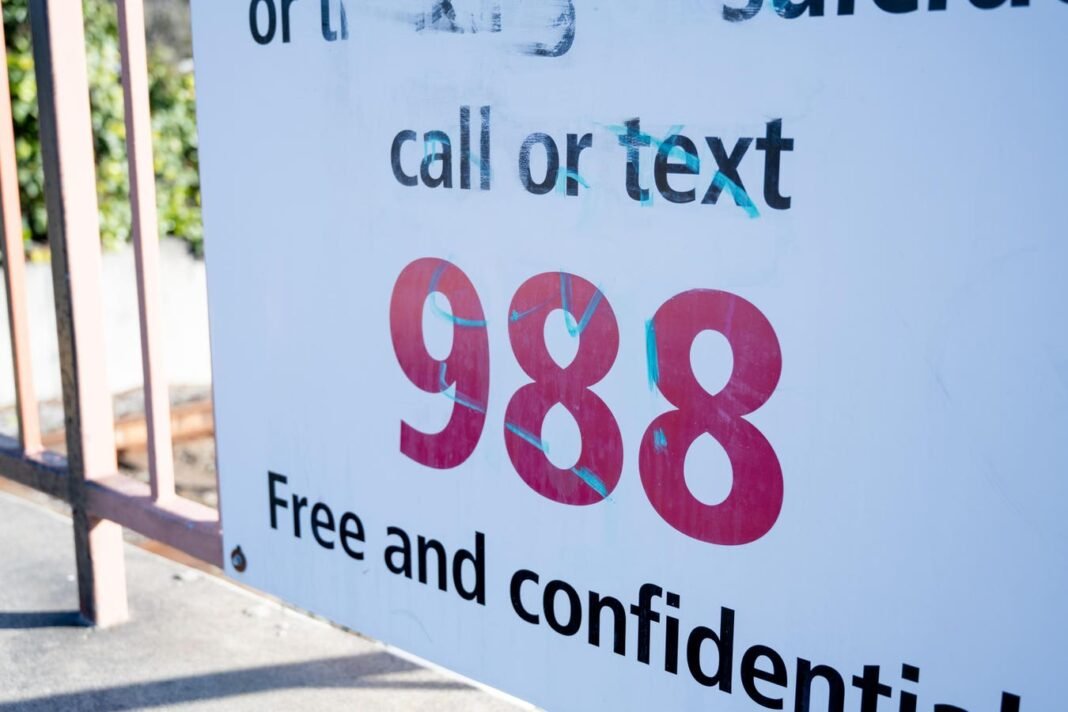
End of Dedicated LGBTQ+ Support on National Suicide Prevention hotline
Introduction to the Service Change
The national suicide prevention hotline will soon discontinue its specialized counseling services tailored for LGBTQ+ individuals. This change, announced by the current governance, marks a significant shift from the targeted support initially created during President Trump’s first term to address mental health challenges unique to LGBTQ+ youth and young adults.
New Unified Approach for Crisis Assistance
Hotline administrators have revealed plans to eliminate separate service lines for specific populations, opting instead for a single, inclusive system designed to assist all callers equally. The intention is to provide comprehensive support without segmenting resources based on identity groups.
Legislative Background and Funding Shifts
The transition toward using 988 as the nationwide suicide prevention number was mandated by legislation enacted in 2020. This law also called for dedicated funding and specially trained personnel focused on supporting LGBTQ+ youth due to their disproportionately high rates of suicidal ideation compared with their peers.
Though, congressional appropriations specifically earmarked for these targeted services have diminished over time. The Department of Health and Human Services (HHS) has indicated that continuing exclusive funding streams could jeopardize overall financial stability of the entire hotline infrastructure.
- Budget highlights:
- The HHS budget proposal for fiscal year 2026 allocates $520 million toward maintaining and expanding 988 crisis intervention services nationwide.
- This plan simultaneously ends federal funding dedicated solely to LGBTQ+-focused counseling within the suicide prevention framework.
- Previously, approximately $50 million annually was invested federally in these specialized lifeline programs targeting sexual minority youth.
Responses from Advocacy Organizations and Legislators
The Trevor Project-a prominent nonprofit specializing in crisis intervention tailored specifically for LGBTQ+ young people-has voiced strong opposition, describing this decision as “devastating.” Their leadership emphasized that evidence-based programs like theirs play an essential role in saving lives during critical moments of distress among vulnerable populations.
A coalition exceeding one hundred Democratic members of Congress formally petitioned HHS Secretary Robert F. Kennedy Jr., urging restoration of congressional funds dedicated exclusively to these vital services. they warned that removing such targeted supports risks leaving a population with elevated suicide risk without adequate resources-a move they characterized as potentially life-threatening if enacted.
A group of seven Democratic Senators echoed similar concerns, highlighting that eliminating programs designed specifically for at-risk youth is both reckless and hazardous amid worsening mental health trends within marginalized communities nationwide.
Bigger Picture: Effects on Research & Policy Surrounding LGBTQ+ Health
This policy shift coincides with broader cutbacks in government investment related to research on sexual orientation and gender identity health disparities under recent administrations. Earlier this year alone saw reductions exceeding $800 million in grants from major institutions such as the National Institutes of health (NIH), impacting hundreds of ongoing studies addressing inequities faced by sexual minorities.
“The sudden withdrawal of research funding constitutes discrimination against racial minorities alongside America’s LGBTQ community,” stated a recent judicial ruling blocking some federal grant cuts imposed earlier this month.
Additionally, several executive orders have restricted transgender rights across multiple sectors-including military service eligibility based strictly on birth-assigned sex-and banned transgender girls from participating in female sports competitions-further complicating access to affirming healthcare options throughout the country.
Mental Health Challenges Amplified: Community Reactions Today
The removal of specialized crisis supports comes amid rising rates of anxiety, depression, and suicidal thoughts among queer youth-issues intensified by social isolation during pandemic lockdowns-which has alarmed mental health professionals more than ever before.
- LGBTQ+ Youth Suicide Risk data: Recent national surveys reveal nearly 40% of transgender adolescents seriously contemplated suicide within the past year-a rate more than double that reported by cisgender peers at approximately 18%.
- crisis Intervention outcomes: Targeted hotlines operated through nonprofit partnerships have historically reduced immediate risk behaviors when callers recieve culturally competent care delivered by counselors trained specifically around queer identities).
Navigating Future Mental Health Support: Inclusivity Meets Specific Needs
Mental health experts emphasize that while global accessibility remains crucial across all demographics contacting emergency lines like 988,a refined strategy acknowledging distinct vulnerabilities faced by marginalized groups-including those identifying as sexual minorities-is indispensable.
The challenge extends beyond securing lasting funding; it involves ensuring equitable representation within crisis response systems so no caller feels overlooked or underserved during urgent moments.
As policymakers weigh future resource allocations amidst competing priorities post-pandemic recovery efforts continue shaping how lifesaving interventions evolve nationally over coming years.