Australia Confronts It’s First Case of the Devastating H5N1 Bird Flu variant
A New Viral Pathway Emerges from the Southern oceans
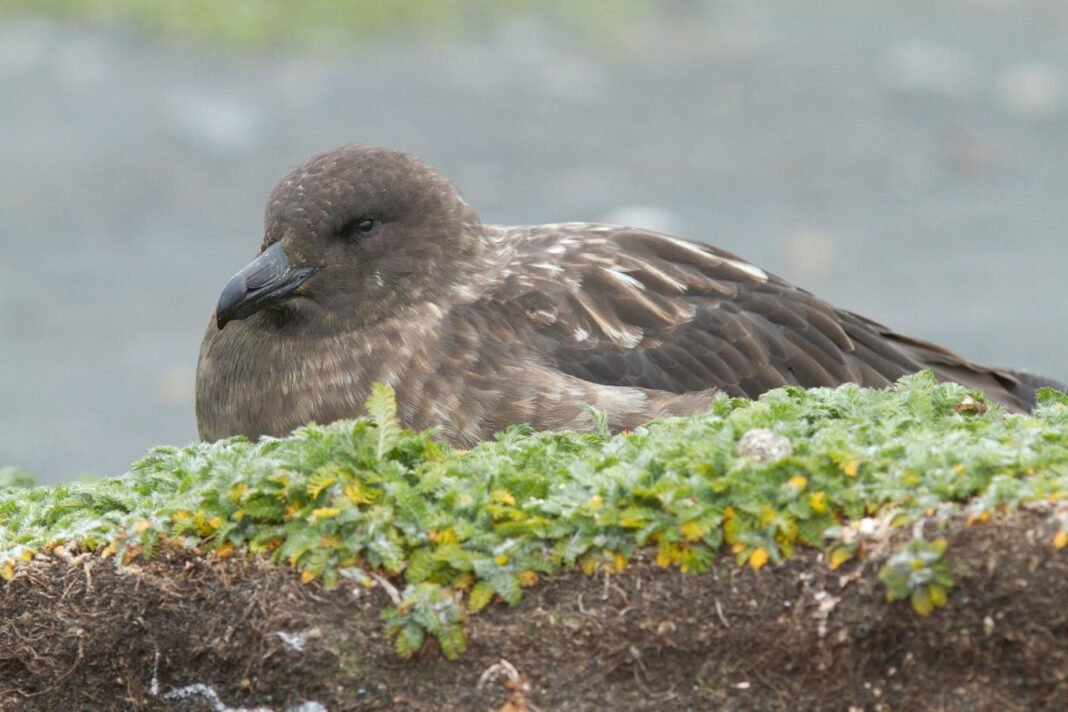
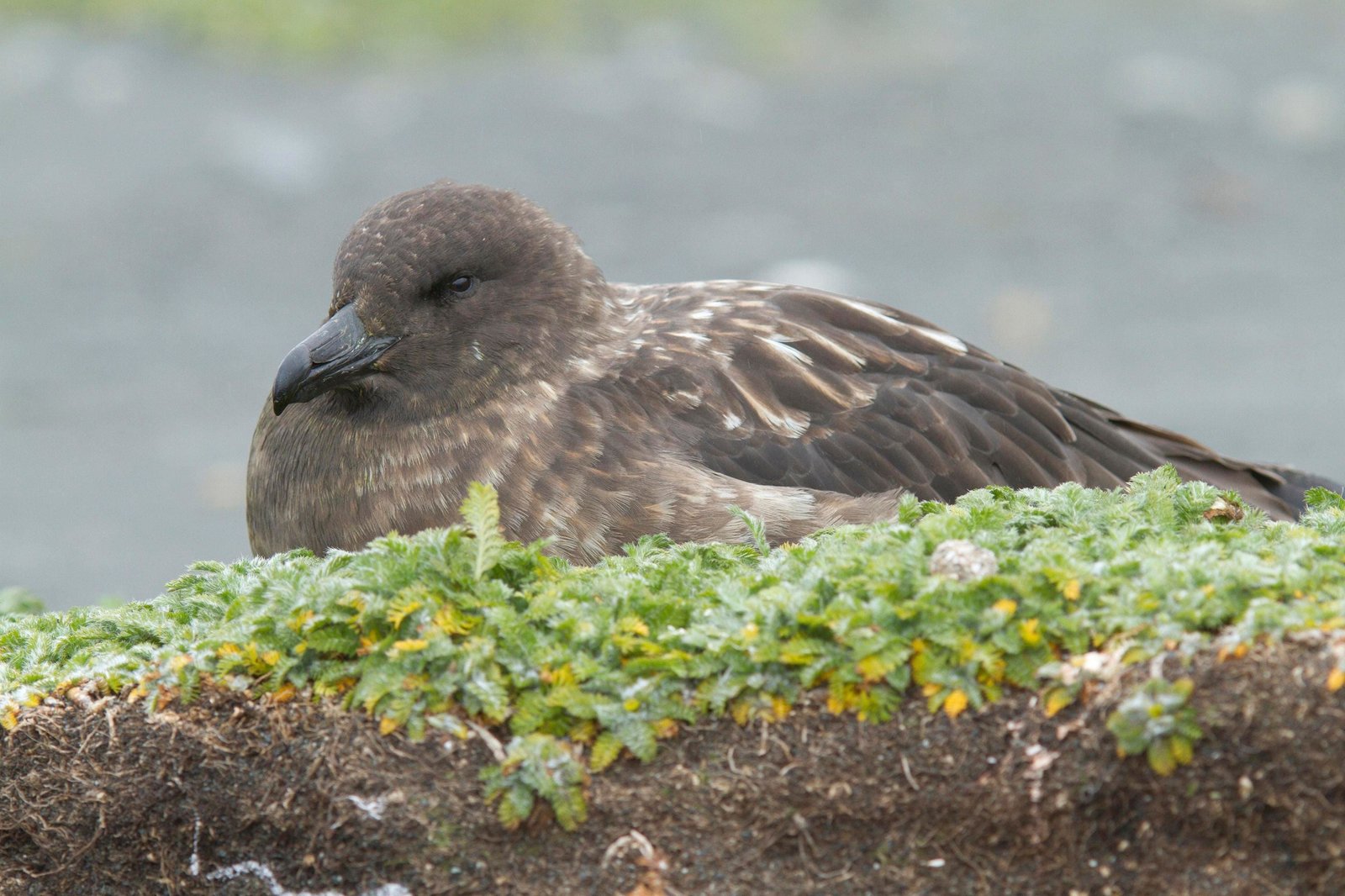
On June 20, a brown skua found near Cape Le Grand National Park along Western Australia’s coast tested positive for a highly pathogenic strain of bird flu. This revelation marks Australia’s first confirmed case of the notorious H5N1 clade 2.3.4.4b-a virus responsible for massive die-offs among wild birds and marine mammals across every other continent.
Unexpectedly, this virus did not arrive via traditional migratory waterfowl routes from Asia as previously assumed. Instead, it traveled southward from Antarctica through seabirds like skuas and giant petrels that acquired the infection on subantarctic islands where outbreaks have devastated seal populations by thousands.
The southern transmission route was traced back to October 2023 when a brown skua tested positive at South Georgia after migrating from south America’s southern tip. The virus than spread island-to-island throughout the Southern Ocean before reaching Heard Island by late 2025-where approximately 13,000 elephant seal pups perished-and ultimately crossed over to mainland Australia.
Past Context: Avian Influenza in australia
Although this is Australia’s initial detection of clade 2.3.4.4b specifically, avian influenza itself has been present in the contry for years.Early in 2024 alone saw sixteen highly pathogenic outbreaks primarily involving H7 subtypes ravage poultry farms nationwide-more than double the total recorded over the previous four decades combined-leading to culling efforts that removed nearly two million birds to contain spread.
The year also witnessed Australia’s first human infection linked to H5N1: a toddler who contracted a different viral strain overseas but recovered fully upon returning home; however, this differs genetically from clade 2.3.4.4b now circulating within native wildlife populations.
The Role of Coastal Scavengers and Inland Waterfowl in Disease Spread
Skuas and petrels act as sentinel species due to their scavenging behavior along shorelines but are unlikely alone to sustain widespread transmission within australian ecosystems or commercial poultry operations.
The primary concern lies with freshwater ducks which serve as prolific reservoirs capable of rapidly disseminating viruses inland through wetlands and waterways-significantly amplifying risks among native fauna and farmed birds alike.
- Northern gannet colonies recently experienced losses nearing half their population (47%) during global outbreaks caused by similar strains;
- This variant has triggered catastrophic declines among South American sea lions and elephant seals while severely impacting seabird breeding grounds across multiple oceans;
- Australia’s endemic wildlife-with many species restricted geographically-is especially vulnerable without prior exposure or immunity developed elsewhere;
Poultry industries face economic challenges mirroring those overseas where mass depopulations have driven egg prices higher amid supply shortages caused by ongoing disease control measures affecting millions annually across North America and Europe.
A glimpse at northern elephant seals at Ano Nuevo State park on California’s Pacific Coast during an outbreak causing severe respiratory illness leading to numerous pup fatalities-a stark example illustrating how avian influenza extends beyond traditional bird hosts into marine mammals.
(Photo credit: Anadolu via Getty Images)
Intersecting Concerns: Wildlife Health, Agriculture Stability & Human Safety
This particular H5N1 strain exemplifies a pathogen bridging three critical domains together:
- An enduring presence within wild bird reservoirs that cannot be eradicated;
- A persistent agricultural threat necessitating rigorous biosecurity measures;
- A zoonotic hazard requiring ongoing surveillance despite currently low human-to-human transmission worldwide.
No matter how strict farm-level controls become-including culling infected flocks-the natural migration patterns sustaining wild-bird reservoirs remain uncontrollable factors perpetuating periodic incursions into domestic settings throughout Australasia.Human infections remain rare so far without sustained person-to-person spread reported globally, yet each mammalian infection (such as those seen in seals or sea lions) presents opportunities for viral adaptation potentially increasing future pandemic risks if mutations favor human transmissibility emerge over time.
Navigating Forward: Surveillance Strategies & Ecosystem Protection Efforts
Australia resisted incursion longer than any other continent during this relentless global panzootic which has persisted five years demonstrating remarkable adaptability infecting diverse hosts worldwide-from Arctic seabirds down through tropical zones all way southward past Antarctica itself.The pressing question now shifts from “if” clade 2 .3 .4 .4b exists here-to “how extensively” it will infiltrate native wildlife communities before containment or natural decline occurs amid ongoing surveillance efforts led by scientific institutions alongside goverment agencies tasked with safeguarding biodiversity and agriculture alike.....