



Neuralink’s Controversial Designation as a Small Disadvantaged Business Amid a $9 Billion Valuation
Decoding Neuralink’s Federal Business Status
Neuralink, the brain-computer interface (BCI) startup founded by Elon Musk, recently declared itself a “small disadvantaged business” (SDB) in an official submission to the U.S. Small Business Administration (SBA). This proclamation coincided closely with neuralink securing $650 million in funding, pushing its valuation to nearly $9 billion.
The SDB classification is intended for companies where at least 51% ownership and operational control rest with individuals who face both social and economic disadvantages. This status grants preferential treatment in federal contracting opportunities,designed to uplift underrepresented entrepreneurs within government procurement processes.
Innovating Human-Machine Interaction Through BCI Technology
At its core, Neuralink develops advanced technology that converts brain signals into digital commands. This breakthrough aims to empower people with severe paralysis or neurological disorders by enabling device control through thought alone. The company’s vision extends beyond medical applications toward enhancing symbiosis between human cognition and artificial intelligence systems.
Recent Funding Milestones and Strategic Backers
the latest investment round attracted heavyweight venture capital firms such as ARK Invest, Founders Fund lead by Peter Thiel, Sequoia Capital, and Thrive Capital. These resources are earmarked for accelerating product development and broadening patient access to Neuralink’s pioneering neurotechnology solutions that promise deeper integration of humans with machines.
Skepticism Surrounding the SDB Classification
The timing of Neuralink’s small disadvantaged business claim has sparked debate due to Elon Musk’s involvement in government reform efforts aimed at streamlining federal agencies during his leadership of the Department of Government Efficiency (DOGE). Critics highlight potential contradictions given DOGE’s initiatives included slashing budgets tied to diversity, equity, and inclusion programs across various federal departments.
SBA regulations impose stringent requirements for qualifying as an SDB; any misrepresentation can result in serious legal repercussions. Historically, companies caught falsifying disadvantaged status have faced substantial penalties when pursuing government contracts under false pretenses.
key Figures Behind Neuralink’s SBA Filing
The contact person listed on Neuralink’s SBA documentation is Jared Birchall-an influential executive who also oversees Musk’s personal wealth management through his family office. Birchall has remained silent publicly regarding this classification amid increasing scrutiny over governance practices within Musk-led enterprises.
Musk’s Expanding Corporate Portfolio Put Into Perspective
Elon Musk continues ranking among the world’s richest individuals while leading multiple high-profile ventures including tesla electric vehicles; SpaceX aerospace innovations; AI startup xAI; tunneling enterprise The Boring Company; plus his recent acquisition of Twitter for $44 billion-now rebranded as X-and integrated with xAI technologies.
“The convergence of biological intelligence with artificial intelligence marks a transformative frontier poised to redefine human potential,” industry experts observe following Neuralink’s recent fundraising achievements.
DOGE Leadership: Shifting Federal Focus on diversity Programs
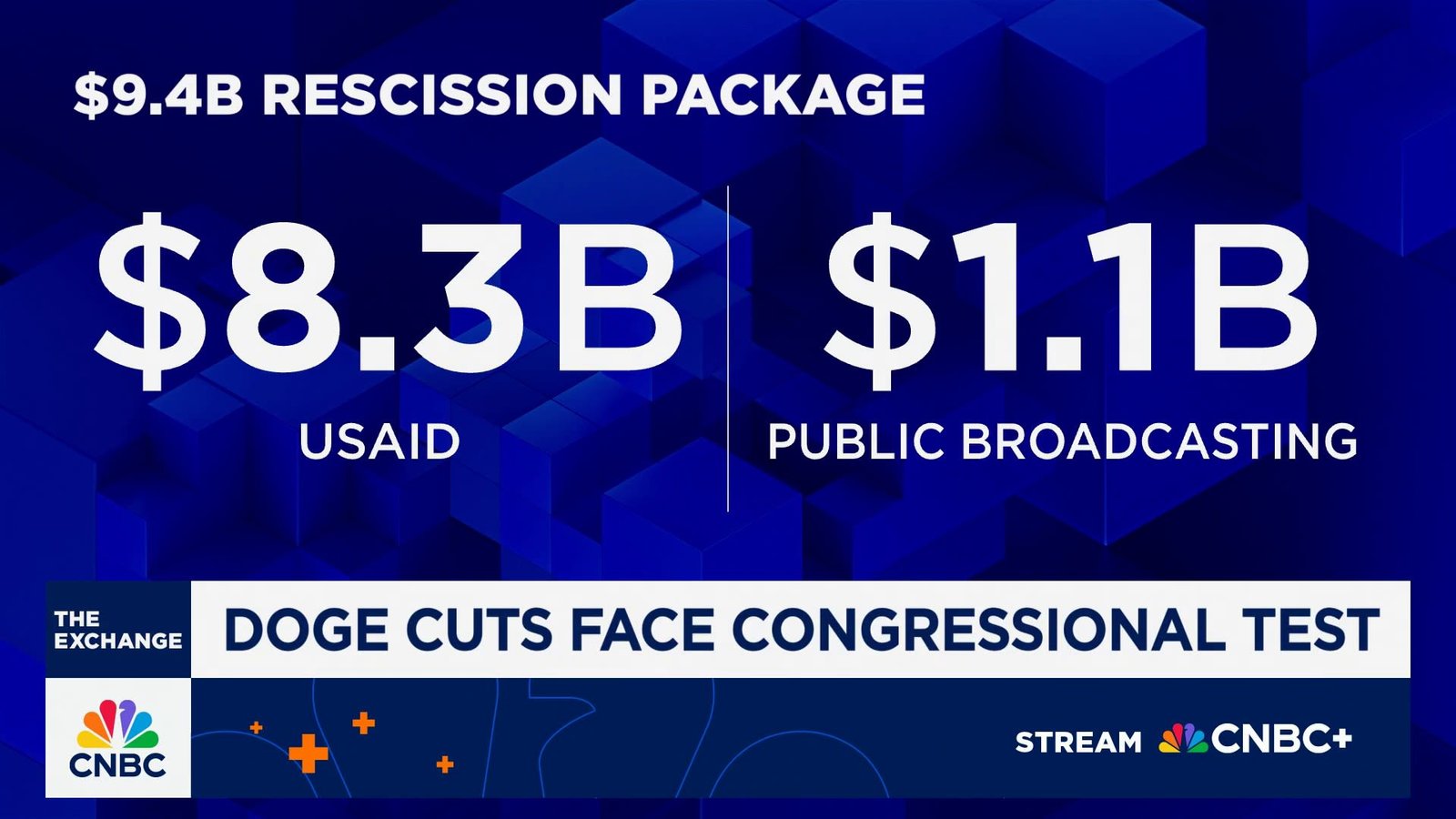
Musk’s tenure heading DOGE notably targeted diversity-related initiatives-as a notable example terminating over $370 million allocated toward DEI-focused training grants within the Department of Education-reflecting broader national debates about prioritizing governmental spending on social equity efforts versus efficiency reforms.
Navigating Innovation While upholding transparency and Ethics
As Neuralink moves closer toward commercializing revolutionary neurotechnology valued near $10 billion-with forecasts projecting global BCI market expansion exceeding 20% annually-the company’s eligibility for small business designations will remain under intense examination from regulators and watchdogs alike. Maintaining transparency around such classifications is essential amid growing public demand for ethical accountability within emerging health technology sectors worldwide.


