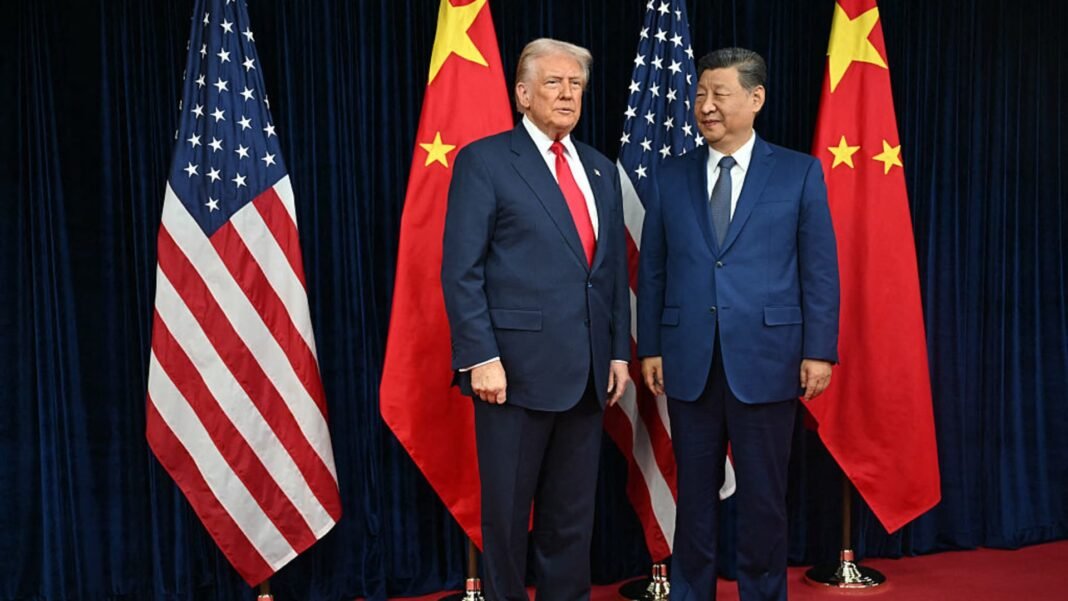
US-China Summit: addressing Multifaceted Global Challenges
the forthcoming summit in Beijing between U.S. President Donald Trump and Chinese President Xi Jinping is set to tackle a wide array of critical international concerns. This pivotal dialog will encompass issues such as trade tensions, technological rivalry, geopolitical disputes including Taiwan’s status, rare earth mineral exports, and the rapid advancements in artificial intelligence.
Shifting Trade Dynamics and Supply Chain Disruptions
China’s recent imposition of export controls on key rare earth minerals and magnets, coupled with restrictions on semiconductor shipments from firms like Nexperia China, has unsettled global manufacturing ecosystems.These disruptions have particularly impacted automotive production hubs across Europe, Japan, and South Korea-regions responsible for over 45% of worldwide vehicle output as of 2023.
Industry analysts highlight that the ramifications extend well beyond bilateral relations. The interconnectedness of global markets means that decisions made at this summit will influence economies worldwide.For instance,Germany’s automotive sector has already reported increased costs due to supply shortages linked to these export limitations.
Taiwan: A Central Geopolitical Flashpoint
The issue of Taiwan remains one of the most delicate topics under discussion. China continues to assert its claim over Taiwan-a self-governing democracy with robust security ties to the United States-while Washington reaffirms its commitment to supporting Taipei’s defense capabilities under the Taiwan Relations Act.
A perceived weakening in U.S. support could destabilize regional security significantly. Experts warn that any implicit concessions granting China greater leverage over Taiwan might embolden Beijing toward more assertive measures against Taiwanese sovereignty.
“Any quiet agreement diminishing U.S. influence over Taiwan risks unraveling decades-long peace in East Asia,” analysts caution.
Regional Impacts Across Asia-Pacific Economies
Southeast Asian countries are vigilantly observing potential shifts in tariff policies affecting Chinese exports compared with their own goods. Vietnam and Indonesia have notably benefited from companies relocating manufacturing operations out of China due to escalating tariffs; a rollback could reverse these gains and alter regional economic trajectories substantially.
The strategic Strait of Malacca also remains vital given Southeast Asia’s reliance on energy imports amid ongoing Middle Eastern conflicts driving volatility in global oil prices-a factor influencing economic stability throughout the region.
Economic Consequences for Japan and Europe
If Beijing agrees to boost purchases of American oil and liquefied natural gas as part of an energy agreement with Washington, it may trigger upward pressure on commodity prices globally-possibly increasing production costs for industries within European Union nations and Japan alike.
This shift could redirect foreign direct investment flows towards strengthening US-China economic ties while challenging established market positions held by advanced economies deeply integrated into Asian supply chains such as South Korea or Germany’s industrial sectors.
Moscow’s Strategic Position Amid Changing Alliances
The summit carries meaningful implications for Russia too; moscow has increasingly depended on Chinese political support amid its ongoing conflict in Ukraine. Improved Sino-American relations might compel Beijing to reduce backing for Russia’s military efforts-a progress viewed warily by Russian leadership seeking sustained alliances amidst geopolitical uncertainty.
Russian President Vladimir Putin is expected to visit Beijing shortly after this summit concludes-signaling Moscow’s intent to maintain close cooperation despite evolving dynamics triggered by this crucial US-China engagement.
Tensions Surrounding technology Theft Allegations & Sanctions Enforcement
- Technology competition: The United States accuses China of orchestrating extensive intellectual property theft campaigns targeting American AI innovations essential for maintaining future technological dominance;
- Iran Sanctions Controversy: Despite U.S sanctions aimed at curbing Iranian oil imports, China has directed domestic companies not to comply fully while engaging diplomatically with Iranian officials-complicating international sanction enforcement;
- Avoiding Escalation: Both nations face intense global pressure-not only economically but politically-to prevent further deterioration that could exacerbate instability across multiple regions;
- Diplomatic Preparations: High-level meetings involving figures like Chinese Vice Premier He Lifeng alongside U.S Treasury Secretary Scott Bessent seek de-escalation ahead of leaders’ formal discussions;
- A Postponed Summit Amid Energy Volatility:The originally scheduled talks were delayed partly due to america’s entanglement with Iran-related conflicts triggering historic spikes in energy prices worldwide;
- Xijinping’s Anticipated Visit To Washington:An expected trip later this year would mark xi Jinping’s first visit since 2015-potentially signaling either rapprochement or recalibration depending upon current outcomes;
A Global Audience Watches With High Expectations
“The international community awaits eagerly as both leaders strive toward common ground while managing profound disagreements,” economists observe.
failure risks prolonging volatility detrimental not only economically but threatening “the foundational norms” governing trade diplomacy globally.”
Pivotal Moment Shaping International Relations & Economic Stability
This summit transcends mere bilateral negotiations-it embodies competing visions about globalization amid rising nationalist pressures worldwide.
Its success or failure will influence everything from access rules around emerging technologies through territorial sovereignty debates down to supply chain resilience impacting millions daily.
With nearly 60% percent of global GDP directly or indirectly reliant upon stable US-China relations according IMF estimates from early 2024-the stakes are unprecedentedly high at a critical juncture.