persistent Strains Among Israel, the U.S., and Iran Over Nuclear Developments
Netanyahu Highlights Ongoing Challenges with Iran’s Nuclear Program
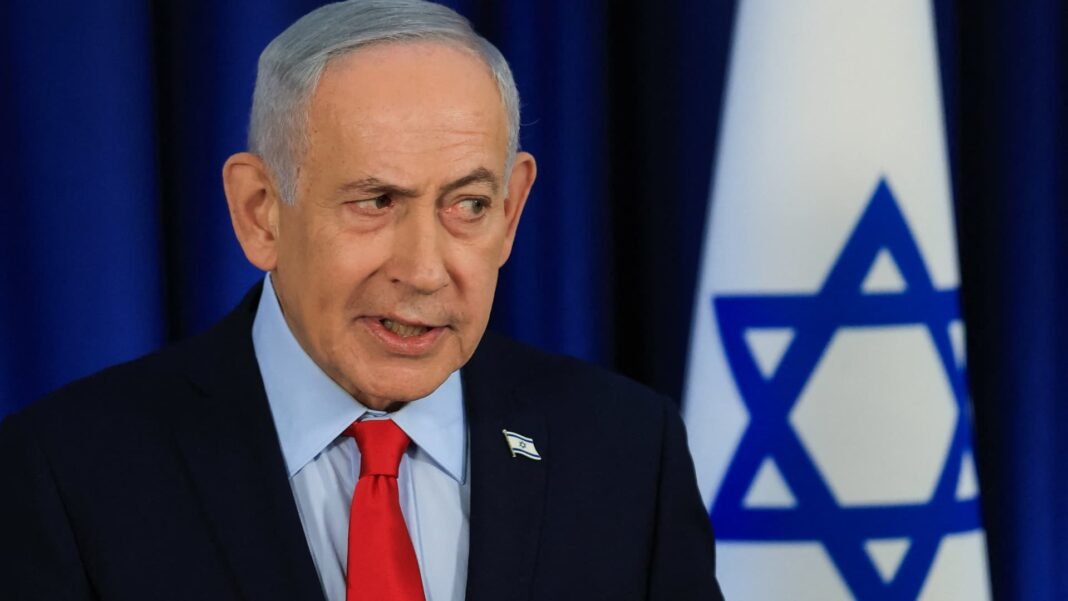
Israeli Prime Minister Benjamin Netanyahu has reaffirmed that tensions with Iran remain unresolved. In a recent interview recorded for CBS’s “60 Minutes,” he emphasized the critical issues still at hand, particularly concerning Iran’s stockpile of enriched uranium.
“Iran continues to possess nuclear material-enriched uranium-that must be removed,” Netanyahu asserted. He also stressed the necessity of dismantling several enrichment sites,curbing Iranian-backed militias’ activities,and halting ballistic missile advancements. “There is significant work ahead,” he added.
when questioned about how Israel and the U.S. intend to secure this nuclear material, Netanyahu responded decisively: “You go in and take it out.”
Diplomatic Negotiations Amid Global Energy Market Volatility
The statements come as indirect talks between Washington and Tehran proceed through Pakistani intermediaries; however, no comprehensive agreement has yet been achieved.
The conflict’s repercussions extend beyond politics into global economics. Since Iran’s temporary closure of the Strait of Hormuz-a vital maritime corridor responsible for nearly 20% of worldwide oil shipments-energy prices have surged sharply.For instance, U.S. gasoline prices have risen by approximately 18% since early 2026 due to supply chain disruptions linked to these geopolitical tensions.
Deadlock in U.S.-Iran Discussions
The United States recently rejected an Iranian counteroffer aimed at de-escalation as “completely unacceptable,” according to a statement shared on social media by President Donald Trump.
Tehran declined key american demands related to its nuclear program and highly enriched uranium (HEU) reserves. Instead, it proposed separate negotiations focused exclusively on nuclear matters while suggesting partial dilution of HEU stocks combined with temporary relocation abroad under conditions allowing their return if talks fail.
Main Points in De-escalation Proposals
- Iran: Tentatively agreed to halt uranium enrichment but only for a period shorter than the 20-year suspension requested by Washington;
- The United States: Offered potential easing of port blockades contingent upon reopening the Strait of Hormuz for commercial shipping;
- Nuclear Infrastructure: Tehran refused demands calling for permanent shutdown or dismantlement of enrichment facilities;
- Bilateral Trust issues: Both parties remain skeptical about enforcement mechanisms due to ancient breaches and mutual suspicion.
Navigating Complex Regional Dynamics Amid Uncertainty
This stalemate highlights how entrenched positions hinder progress toward durable peace in one of today’s most unstable regions. The stakes are immense-not only from a security perspective but also because economic ripple effects impact global markets through disrupted oil flows via strategic chokepoints like Hormuz-and shifting geopolitical alliances add further complexity amid ongoing uncertainty.
A Contemporary parallel: Tensions Over strategic Maritime routes in Southeast Asia
This scenario resembles disputes over territorial claims in Southeast Asia’s South China Sea where competing national interests jeopardize crucial trade lanes essential for international commerce-demonstrating how control over strategic waterways can escalate conflicts that threaten broader global stability.
The Path Forward: Balancing Vigilance with Diplomatic Engagement
The international community remains vigilant as both military preparedness and diplomatic efforts continue as tools wielded by involved actors seeking leverage or resolution respectively. While direct intervention carries significant risks making it controversial,experts agree any lasting solution will demand compromises addressing security assurances alongside economic incentives aligned with current regional realities.