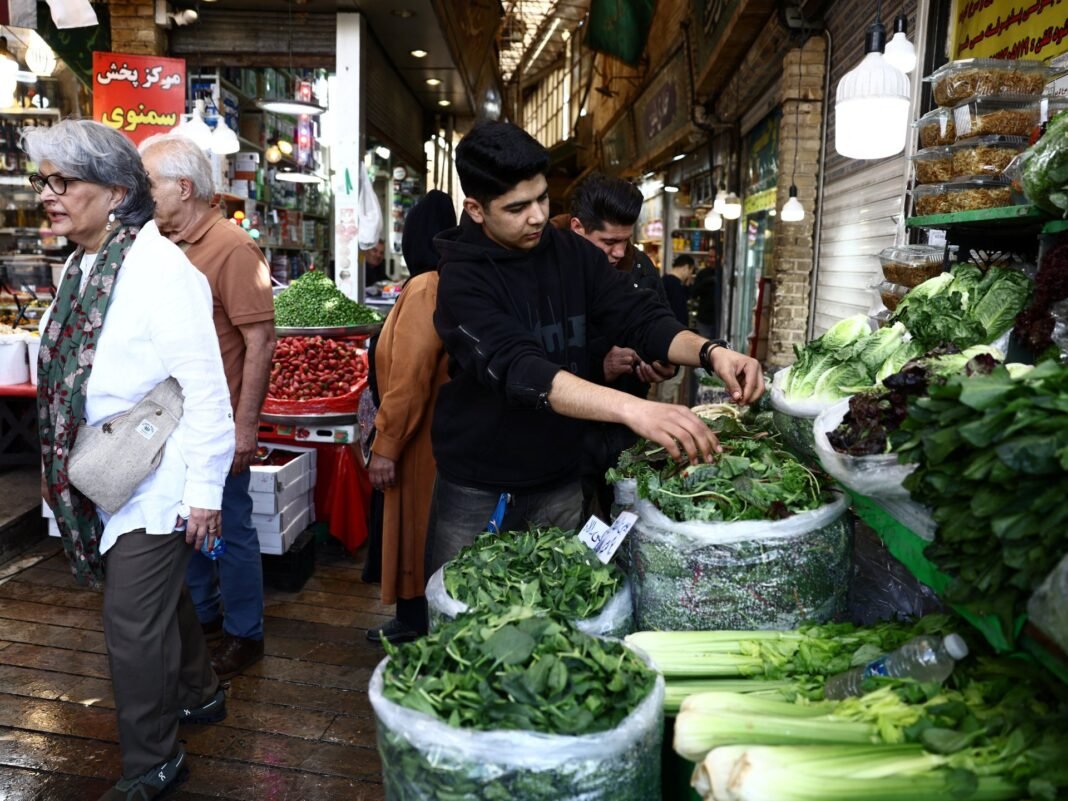
Rising Inflation Intensifies Food Insecurity Crisis in Iran Amid Persistent Conflict
Tehran, Iran – The escalating inflation rates are severely impacting the ability of Iranian households to secure adequate food, as the country continues to face economic fallout from ongoing tensions involving the United States and Israel. While diplomatic efforts aimed at conflict resolution are underway, financial pressures on ordinary citizens keep mounting.
Soaring Inflation Drains Family Resources
Recent data from Iranian authorities reveal an alarming surge in inflation during Farvardin-the first month of the Persian calendar-reaching approximately 74 percent year-over-year according to one source, with another reporting a slightly lower annual rate near 67 percent but noting sharper monthly increases up to 7 percent. These figures place Iran among nations experiencing some of the fastest price escalations worldwide in recent times.
This relentless inflationary trend is rapidly diminishing purchasing power and pushing more families into poverty across urban and rural areas alike.
Dramatic Food Price Hikes Compound Hardships
The cost of food has risen disproportionately compared to general inflation. Over a single year ending in Farvardin, staple food prices surged by over 110 percent on average. Certain essential items have seen unusual price jumps:
- Semi-solid vegetable oil: increased nearly 400%
- Liquid cooking oil: rose above 320%
- Basmati rice (imported): climbed roughly 220%
- Iranian domestic rice varieties: up about 180%
- Poultry products such as chicken meat: surged close to 200%
Lesser yet important increases were recorded for butter (+50%), infant formula (+70%), and pasta (+80%). these steep rises force many families to dedicate an ever-larger share of their limited income toward basic nutrition.
The Currency Collapse Deepens Economic Woes
The Iranian rial has suffered a dramatic depreciation against major foreign currencies amid intensified sanctions and trade restrictions imposed by Western countries. Currently trading near 1.77 million rials per US dollar, its value has more than halved compared with just one year ago when it stood around 830,000 rials per dollar. this sharp decline inflates import costs significantly, driving domestic prices higher across multiple sectors including food production inputs.
A Glimpse Into Daily Struggles: Voices From Tehran’s Markets
A vendor at a popular kebab eatery described how meat prices have been raised three times within recent months due to supply chain disruptions and export demands affecting livestock availability. “Liver prices have doubled,” he noted, “and suppliers frequently enough blame shortages or exports without transparent explanations.” Such accounts resonate widely throughout Tehran’s neighborhoods where affordability challenges once considered manageable now threaten household stability.
Tackling Inflation: Government Responses Under Strain
The government has introduced subsidies alongside electronic vouchers designed for purchasing essential goods; however, these supports provide less than $10 per person monthly-far below what is needed given soaring living costs. Although proposals exist aiming at increasing aid levels, budget limitations caused by war-related expenses and sanction-driven revenue losses hinder substantial improvements.
Curbing Artificial Shortages Through Price Controls and Anti-Hoarding Measures
An official decree recently declared unauthorized cooking oil price hikes illegal while ordering restoration of previous pricing despite enforcement challenges amid worsening nationwide conditions. Authorities are also cracking down on hoarding practices believed responsible for creating artificial scarcity that inflates consumer costs unjustly.
“The startup ecosystem is effectively paralyzed; we search for signs that it still exists,” lamented representatives from Iran’s digital business community as prolonged internet blackouts stifle innovation alongside economic activity.”
The Internet Blackout: A Barrier To Economic Recovery And Social Stability
A nearly three-month-long internet shutdown exacerbates existing difficulties faced by businesses dependent on online connectivity-including startups critical for future economic growth-and restricts access to vital information during crises.
This blackout remains enforced under directives from top security councils despite internal opposition within telecommunications sectors tasked with implementation.
This digital isolation intensifies social tensions while limiting opportunities for recovery or reform amidst ongoing geopolitical uncertainty surrounding Iran’s future stability.

Diplomatic Efforts Continue Amidst Persistent Economic Challenges
Iran recently submitted formal responses through Pakistan-mediated channels regarding peace initiatives proposed by Washington; officials stress that dialog dose not imply surrender amid heightened regional tensions.
“Our people must understand our nation’s real constraints,” stated President Masoud Pezeshkian during talks focused on rebuilding infrastructure damaged during attacks attributed to US-Israeli forces.
“Despite obstacles along this path,” he added optimistically,“national unity combined with public cooperation can help us overcome these hardships.”
Narratives Of External Sabotage shape Public perception
Mainstream media aligned with hardline factions attribute rampant inflation partly to external sabotage campaigns framed as “economic retaliation” following military setbacks abroad-a narrative intended to foster resilience among citizens facing daily socioeconomic struggles across all classes.