China’s Inflation Spike Amid Middle East Unrest Drives Economic Reflation
Global Commodity Market Volatility Fuels Price Increases
April saw China’s consumer and producer inflation rates climb more sharply than anticipated, primarily due to rising commodity prices linked to ongoing tensions in the Middle East. Consumer price inflation accelerated to 1.2% year-over-year, exceeding forecasts of 0.9% and up from March’s 1%, as reported by the National Bureau of Statistics.
The producer price index (PPI) surged by 2.8%, significantly above economists’ predictions of 1.6%. This marks a continuation of factory-gate price increases following over three years of deflation-the longest such stretch in recent memory.
Energy Market Disruptions Amplify Inflationary Pressures
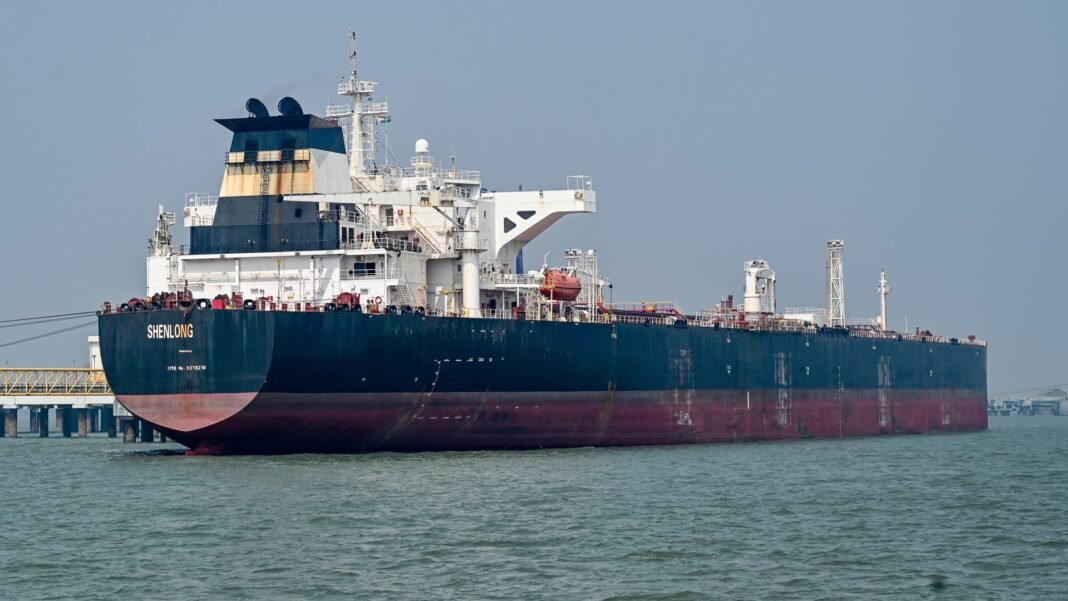
The conflict near the Strait of Hormuz-a vital artery for global oil shipments now disrupted for four months-has tightened energy supplies worldwide, pushing commodity prices higher and unexpectedly stimulating China’s economic reflation.
Although this inflationary environment may signal a rebound after prolonged periods of weak demand and falling prices, analysts warn that escalating input costs could compress corporate earnings and dampen household spending power.
domestic Consumption Remains Tepid Despite Rising Prices
Even with inflation indicating increased economic activity, consumer demand within China remains subdued. Retail sales growth decelerated sharply to just 1.7% year-over-year in March-well below expectations-while real estate investment continued its downward trajectory with an 11.2% decline compared to last year’s already significant contraction.
Diversified Energy Portfolio Offers Some Cushion but Challenges Persist
As the world’s largest crude oil importer, China has partially shielded itself from soaring energy costs through strategic petroleum reserves alongside rapid expansion in renewable energy sources such as solar and wind power-which now contribute nearly 30% of total electricity generation, doubling over five years.
nonetheless, experts caution that this buffer might prove insufficient if geopolitical tensions prolong or intensify supply disruptions further.
Trade Patterns Show Export Growth Contrasted With import Declines
The latest customs figures reveal a stark contrast: crude oil imports dropped roughly 20% year-on-year in April amid market volatility adjustments; meanwhile overall exports surged an extraordinary 14.1%, propelling China’s monthly trade surplus to $84.8 billion-a level supporting projections for a third consecutive annual surplus approaching $1 trillion.
Bilateral Trade Surplus With U.S.: A Key Focus Ahead Of Summit Talks
This strong export momentum has expanded China’s trade surplus with the United States to $87.7 billion so far this year-a critical point as high-level discussions between U.S President Joe Biden and Chinese President Xi Jinping approach concerning trade policies, technology restrictions, Taiwan issues, and regional security challenges tied to Iran-related market disruptions.
China Steps Up As Diplomatic Facilitator In regional Crisis
A recent visit by Iran’s Foreign Minister highlights Beijing’s proactive role mediating efforts aimed at reopening crucial shipping routes like the Strait of Hormuz affected by ongoing hostilities-a subject expected to dominate upcoming diplomatic dialogues between Washington and Beijing according to leading financial strategists.
“the current reflationary environment presents both promising opportunities for recovery after years marked by deflationary pressures as early pandemic times-and risks related to squeezed profit margins amid persistent domestic demand weakness,” market analysts observed following April data releases.