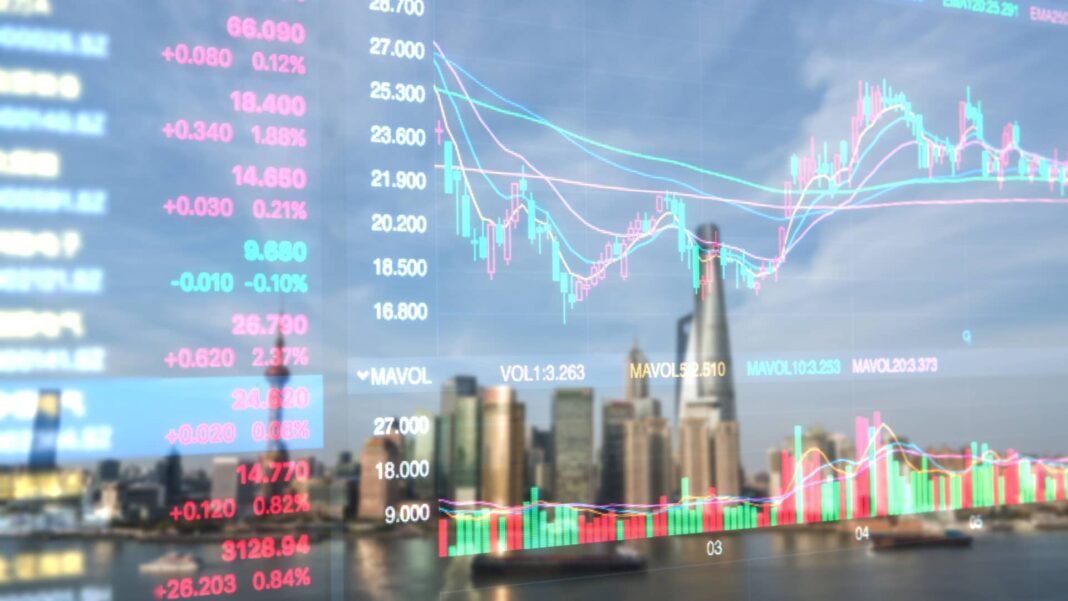
Asia-Pacific Stocks Surge Amid Rising Oil Prices and Middle East Geopolitical Strains
south Korea’s Kospi Leads Regional Gains on Market Optimism
The South Korean Kospi index climbed to a record high on Monday, driving positive momentum across Asia-Pacific financial markets.This surge coincided with escalating crude oil prices and mounting geopolitical tensions between the United States and Iran.
Initial investor enthusiasm was tempered by growing concerns over a potential prolonged conflict in the Middle East after the U.S. dismissed Iran’s recent peace proposal.
U.S. Rejects Iran’s Ceasefire Proposal, Heightening Conflict Risks
Iran put forward a new initiative aimed at ending hostilities in the Middle East, calling for a comprehensive ceasefire alongside demands to lift economic sanctions. According to Iranian semi-official sources, this offer intended to halt fighting across all fronts while restoring Tehran’s access to international markets.
The U.S., though, categorically rejected the proposal as “fully unacceptable,” signaling no immediate progress toward diplomatic resolution. This stance has intensified fears that tensions may escalate rather then de-escalate in the near term.
Regional Leaders Warn of Persistent Instability
Israeli Prime Minister Benjamin Netanyahu emphasized that conflicts with Iran remain unresolved. He reaffirmed Israel’s alignment with U.S. objectives to prevent Tehran from advancing its nuclear ambitions, indicating notable challenges ahead for diplomatic efforts.
global Energy Markets React Sharply to Strait of Hormuz Disruption
The closure of the Strait of Hormuz by Iran has sent ripples through global energy supplies,causing fuel prices worldwide to spike sharply. As one of the most vital maritime corridors-handling nearly 20% of seaborne oil trade-the disruption has increased market volatility and inflationary pressures affecting economies including those in North America and Europe.
- West Texas Intermediate (WTI): June futures surged nearly 4%, closing at $99.18 per barrel late Monday ET.
- Brent crude: July contracts rose about 3.5%, trading above $104 per barrel amid supply concerns linked directly to geopolitical instability.
Diverse Performance Across Asia-Pacific Stock Exchanges Amid Uncertainty
The Kospi index advanced an notable 4.7%, largely fueled by strong gains among semiconductor companies such as SK Hynix which jumped over 10%. This rally echoed positive momentum seen recently among U.S.-listed chipmakers following robust earnings reports that bolstered confidence despite broader market uncertainties.
The Japanese stock market showed mixed results: while Nikkei 225 slipped slightly amid volatile trading sessions, Japan’s topix index edged up marginally by 0.19%. Nintendo shares fell more than 5% after announcing price increases for its upcoming Switch console model combined with expectations for softer sales-a pattern reminiscent of previous hardware cycles where higher prices temporarily dampened demand but improved profit margins long-term.
Australia’s S&P/ASX 200 declined nearly one percent as commodity-linked stocks faced headwinds from rising input costs driven by surging energy prices tied to regional conflicts.
Meanwhile:
- Mainland China’s CSI 300 Index: Gained approximately half a percent despite inflation data revealing faster-than-expected consumer price increases partly due to elevated commodity costs stemming from Middle Eastern unrest;
- Hong Kong Hang Seng Index:: Dropped close to half a percent reflecting investor caution amid uncertain trade conditions and inflationary pressures impacting corporate earnings forecasts;
Evolving Inflation Dynamics Add Complexity for Policymakers
The latest Chinese data revealed sharper-than-anticipated rises in both consumer price index (CPI) and producer price index (PPI) during April-trends largely driven by soaring energy costs connected directly or indirectly with ongoing tensions near critical oil shipping routes like the Strait of Hormuz.This situation complicates efforts by policymakers who must balance growth objectives against controlling inflation within fragile post-pandemic recovery environments.
Diplomatic Developments Set To Influence Market Direction Ahead
this week marks an vital diplomatic milestone as President Trump prepares for talks with Chinese President Xi Jinping-a meeting closely monitored given Sino-American relations’ impact on global economic stability amidst these geopolitical challenges involving iran and broader Middle Eastern security issues.
The outcomes could shape not only bilateral trade dynamics but also international cooperation frameworks addressing energy security risks exacerbated by regional conflicts disrupting supply chains worldwide.