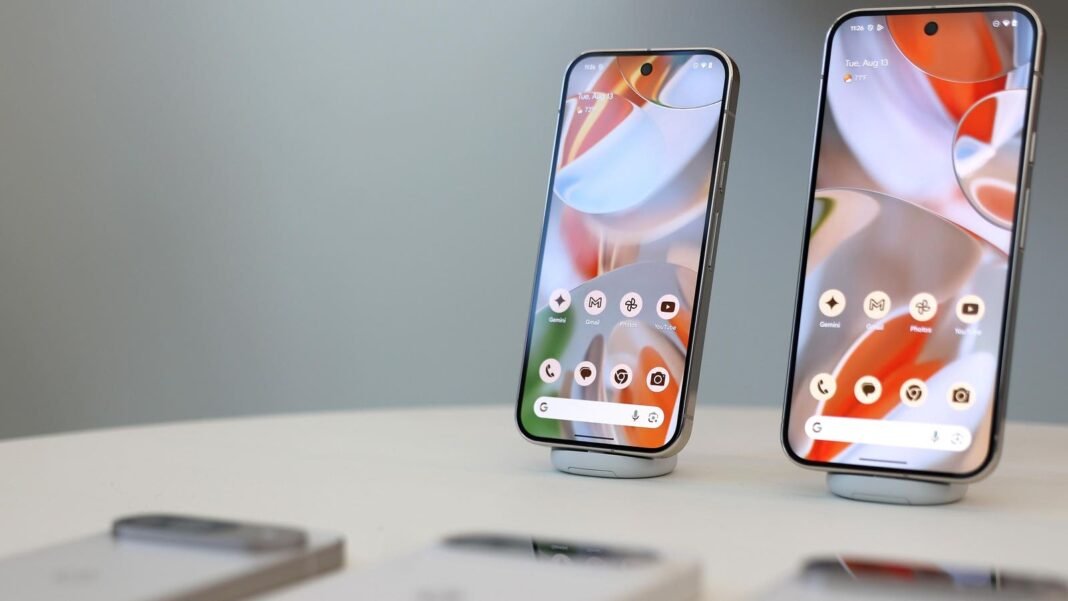
Google Pixel Update Enhances Security but Introduces new Challenges
google has rolled out a critical update for Pixel smartphones, urging users to install it promptly. This patch addresses a severe Android vulnerability identified as CVE-2026-0073, which enables attackers to compromise devices without any user interaction, underscoring the importance of prompt installation.
Understanding the Bootloader Anti-Rollback Mechanism
The May 2026 update introduces a meaningful modification to the bootloader system across multiple Pixel models, including the Pixel 10 series (10, 10 Pro, 10 Pro XL, and 10 Pro Fold) and also earlier generations like Pixels 6 and 8. Google has increased the anti-rollback version number in these devices’ bootloaders to prevent downgrading firmware once updated.
This security enhancement is designed to block attempts at reverting to older software versions that may contain previously patched vulnerabilities. However, this also means users lose the ability to flash earlier Android versions after applying this update-specifically older Android 16 builds on Pixel 10 devices and previous Android 15 builds on Pixels from generations six through eight.
The Impact of losing Downgrade Options
This limitation extends beyond just restricting software versatility. If an update or factory image flash is interrupted or corrupted during installation, affected Pixels can enter unrecoverable states where normal operation becomes impossible. in such cases, these phones effectively become bricked because they cannot safely revert back to prior functioning firmware due to anti-rollback restrictions.
Unlike traditional recovery methods where flashing older images or performing factory resets can restore functionality,this new mechanism blocks those options if problems occur during critical phases of updates.
Technical Insights into Boot Failures Post-Update
The issue stems from how modern Pixels use A/B partitioning for seamless updates. The inactive slot contains an earlier build with an outdated bootloader version that hasn’t been incremented alongside active slot updates. If a newly installed active slot fails due to corruption or errors during flashing, the device tries switching bootslots as a fallback method.
However, since fallback leads back into an inactive partition with incompatible bootloader code blocked by anti-rollback protections, neither partition can successfully boot-resulting in unbootable devices requiring manufacturer intervention for repair.
User Recovery Restrictions and Manufacturer Dependence
if such failures happen after installing this update with enhanced protections enabled, only Google’s proprietary tools can restore device functionality; end-users lack access to conventional recovery methods like manual flashing of factory images or third-party repair utilities.
Update Distribution and carrier Participation
- This security patch is being distributed over-the-air (OTA) through major carriers including Verizon, T-Mobile, and AT&T alongside direct Google pushes.
- Users should verify availability by navigating their device’s Settings > System > Software Updates > System Update menu on compatible models.
- The rollout reflects Google’s commitment toward strengthening its ecosystem amid rising mobile cyber threats-with mobile malware attacks surging over 30% year-over-year according to early data from cybersecurity analyses conducted in mid-2024.
Navigating Security Versus Usability Trade-Offs in Smartphones Today
This development highlights ongoing tensions between bolstering smartphone security while preserving user control over software environments-a debate echoed throughout global tech communities. Similar anti-rollback features have been adopted by other manufacturers aiming at mitigating downgrade attack risks but often frustrate advanced users who depend on custom roms or require rollback capabilities following failed upgrades.
“Enhancing security frequently involves compromises in usability,” note industry experts tracking smartphone OS evolution amid major platform transitions observed worldwide throughout recent years.”
Aviation Software Updates: A Parallel Example of Safety vs Flexibility
A comparable scenario exists within aviation: aircraft systems receive critical firmware patches that prevent rollback due to safety concerns about vulnerabilities in outdated code-but pilots temporarily lose ability to revert changes if new software malfunctions during flight simulations. Manufacturers must carefully balance safety priorities against operational flexibility.
This mirrors Google’s challenge balancing robust protection against exploits versus potential lockouts caused by failed updates on consumer hardware like Pixels today.
Final Thoughts: Essential Security Improvements Coupled With User Considerations
The latest google Pixel update delivers vital fixes addressing serious threats while embedding stringent safeguards against vulnerable legacy firmware usage via enhanced anti-rollback measures within device bootloaders. These changes substantially improve platform integrity amid escalating cyberattacks targeting mobile ecosystems globally-including millions relying daily on secure authentication methods-but also introduce risks of permanent lockouts under certain failure conditions requiring manufacturer assistance for recovery.
User caution when updating remains crucial:
- Create comprehensive backups before initiating major system updates;
- Avoid interrupting OTA installations;
- If issues arise post-update preventing normal startup contact official support channels promptly;
- Stay informed about your specific model’s policies regarding rollback restrictions;
- Evaluate benefits versus limitations introduced by enforced security protocols deeply integrated into modern smartphone architectures;
;
;
.