Haiti’s Kidnapping Epidemic Intensifies amid Rising Gang Dominance
Hostages Freed after prolonged Orphanage Abduction
Following nearly four weeks in captivity, eight hostages-including an Irish missionary and a young child-have been released after being abducted from an orphanage in Haiti. Among those freed was Gena Heraty, who oversees a specialized program for individuals with special needs at the Saint-Helene orphanage.
The proclamation of their release brought widespread relief, with Ireland’s Foreign Affairs Minister expressing optimism for ongoing safety and peace for all impacted by the escalating violence. The group comprised both Haitian nationals and foreign aid workers.
Port-au-Prince: A City Under Siege by Armed Groups
The kidnapping occured in southeast Port-au-Prince, where United Nations estimates indicate that nearly 90% of the area is under gang control. This region has become a focal point of intersecting crises involving political instability, humanitarian emergencies, and surging criminal activity.
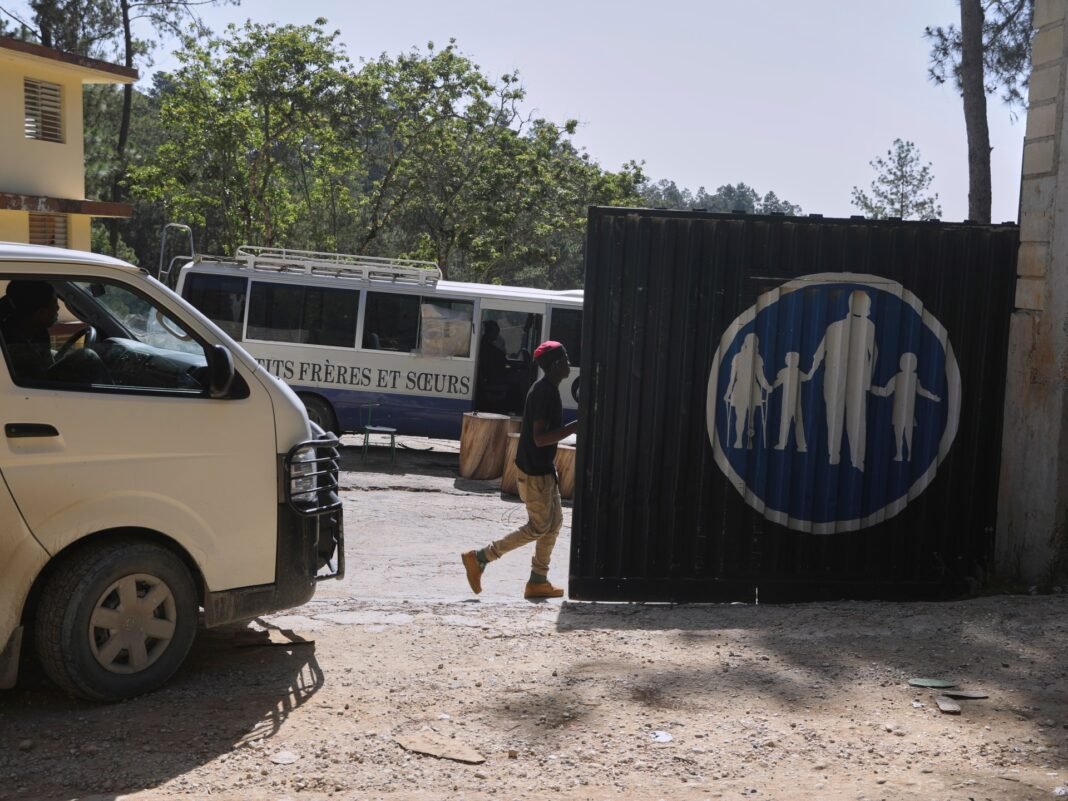
The Saint-Helene orphanage is operated by Nos Petits Frères et Sœurs, an international association caring for over 240 children. Despite its humanitarian mission,it found itself vulnerable within this hazardous environment dominated by armed factions such as the Viv Ansanm gang coalition.
Recurring Targeting of Religious Workers Highlights Security Gaps
This recent abduction reflects a troubling pattern targeting missionaries: In mid-2021, two French priests were held hostage for almost three weeks by the “400 Mawozo” gang before their eventual release. Later that year saw 17 American and Canadian missionaries kidnapped from a bus under similar circumstances.
Global Initiatives to Address Haiti’s Security Crisis
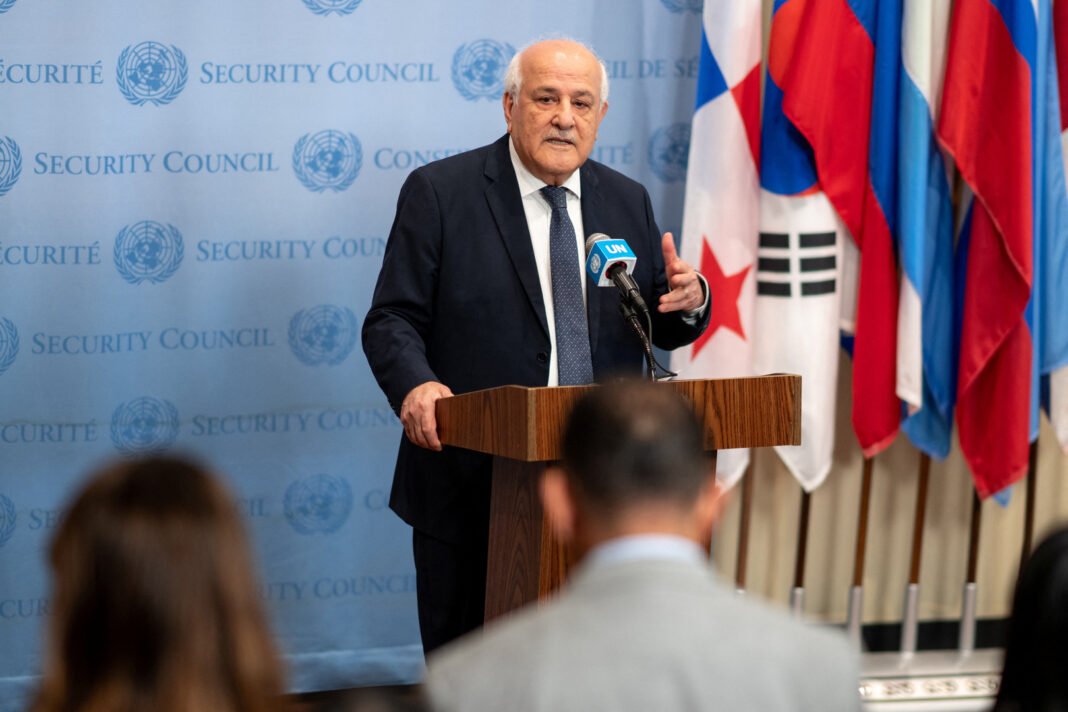
The hostage release coincides with renewed deliberations at the United Nations Security Council focused on bolstering international policing efforts deployed since June 2024 to counteract rising violence across Haiti. Currently composed mainly of Kenyan personnel numbering just below 1,000 troops, this force remains well short of its original goal to reach 2,500 members.
A new proposal introduced jointly by the US and Panama aims to transform this contingent into a dedicated “Gang Suppression Force,” potentially expanding troop numbers up to 5,500. Additionally, plans include establishing a UN office in Port-au-Prince responsible for comprehensive logistical support such as supply distribution, medical coordination, transport management, and drone surveillance operations designed to enhance situational awareness.
Financial Shortfalls Undermine Peacekeeping Efforts
Despite these enterprising strategies aimed at stabilizing Haiti’s security landscape, funding remains critically insufficient; less than one-tenth of necessary resources have been secured so far this year. previous UN missions have faced important criticism due to scandals including sexual abuse allegations and cholera outbreaks-which claimed over 9,000 lives-further complicating trust-building efforts within Haitian communities.
The Human Cost: Increasing Death Toll & Child Recruitment into Gangs
The intensification of armed conflict has inflicted severe harm on civilians: official data reports more than 3,100 fatalities during just the first half of this year alone. Disturbingly high proportions of youth are being drawn into violent gangs; UNICEF recently reported that approximately half of all gang members are children or adolescents engaged either directly or indirectly in criminal activities throughout urban centers across Haiti.
A Plea for Stability Amid Enduring Chaos
Affected families continue advocating tirelessly for peace while clinging to hope despite persistent insecurity throughout Port-au-Prince’s metropolitan area. The complex nexus between political turmoil and entrenched criminal networks presents formidable obstacles but highlights an urgent need for coordinated local governance paired with sustained international assistance aimed at restoring nationwide safety and order.