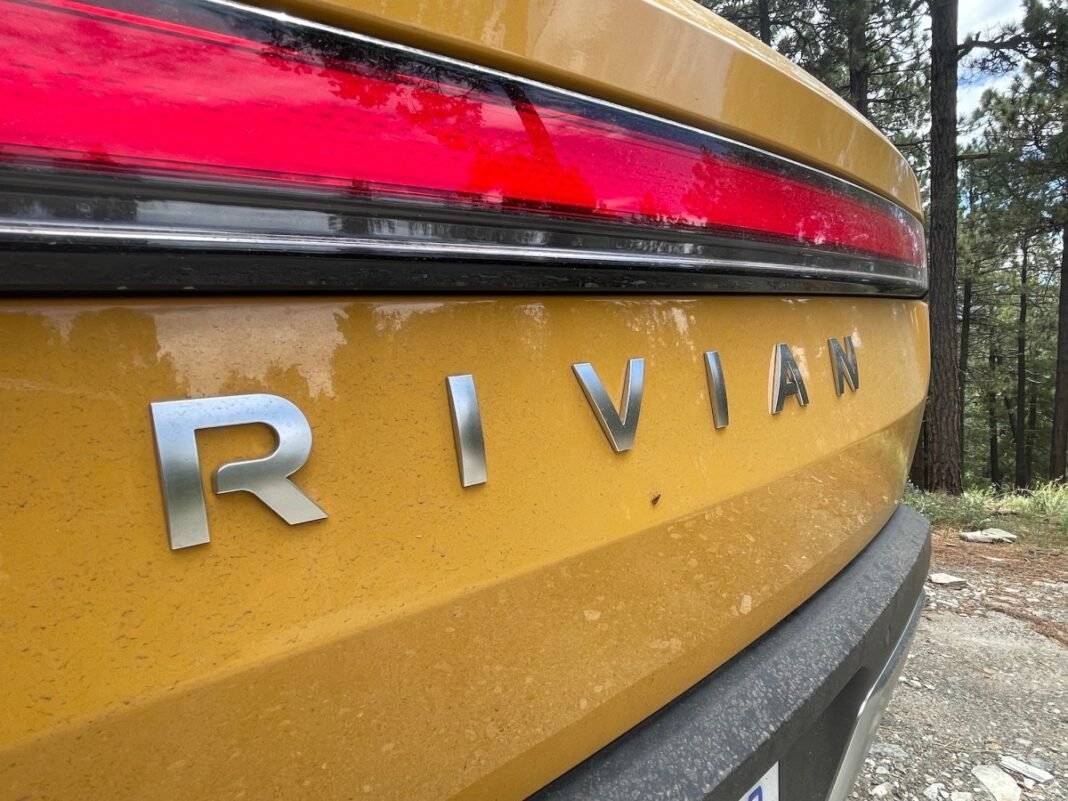
Rivian Faces Legal Challenge Over Autonomous Driving Feature Claims
The electric vehicle maker Rivian is currently embroiled in a class action lawsuit accusing the company of exaggerating the autonomous driving capabilities of its R1T pickup and R1S SUV models. The legal complaint, filed in a federal court in California, focuses on Rivian’s initial generation vehicles and alleges that the automaker misled customers about their hands-free driving functionalities.
clarifying Level 3 Autonomy: What It Really Means
At the heart of this dispute lies the concept of Level 3 autonomy, as defined by the Society of Automotive Engineers (SAE).This level indicates that a vehicle can independently control steering, acceleration, and braking under certain conditions-such as highway cruising or low-speed traffic-without driver input. However, drivers must remain vigilant and prepared to intervene promptly when prompted; Level 3 does not imply fully autonomous or self-driving operation.
Allegations Against Rivian’s Marketing Practices
The lawsuit claims that over several years, including public statements made by CEO RJ Scaringe at major industry events like TechCrunch Disrupt 2022, Rivian promoted its Driver+ system as offering hands-free driving across all first-generation vehicles. Plaintiffs contend these assertions were knowingly inaccurate since no software update could upgrade those early models to genuine level 3 autonomy.
“From day one, Rivian understood its first-generation vehicles lacked-and would never have-the technology required for true hands-free functionality,” states the complaint. “Despite this knowledge,it continued marketing these features to attract buyers.”
Legal Accusations and Prior Litigation Background
The suit accuses Rivian of fraudulence, negligent misrepresentation, and unjust enrichment while demanding a jury trial led by three named plaintiffs. This case follows another meaningful legal matter where Rivian settled for $250 million related to sudden price hikes on its R1 series during 2022.
Advancements from First-Gen Constraints to Second-gen Innovations
The original R1T and R1S lacked any true hands-free driving capability; however, their second-generation versions launched in 2024 introduced extensive internal upgrades while preserving similar exterior styling. These enhancements encompassed redesigned battery systems, suspension improvements, updated electrical architectures, new seating configurations, and advanced sensor arrays.
This overhaul gave rise to what is branded as the “Rivian Autonomy Platform,” featuring eleven cameras paired with five radar sensors supported by computing power ten times greater than before-enabling more complex driver assistance technologies than previously available.
New Features Enabled by Second-Generation Models
- Adaptive Cruise Control: Automatically adjusts speed based on surrounding traffic flow during highway travel.
- Highway Assist: Controls steering along with acceleration and braking on designated highways for smoother journeys.
- “Universal Hands-Free” Capability: Delivered through software updates allowing drivers in select North American regions-with access to over four million miles of mapped roads-to drive without holding the wheel under specific conditions where lane markings are clearly visible.
An Industry-Wide Pattern: Scrutiny Over Autonomous Driving Claims
This legal challenge against rivian reflects broader tensions within electric vehicle manufacturing regarding autonomous technology marketing.Tesla has faced multiple lawsuits alleging misleading promotion around its Full Self-Driving (FSD) software’s actual performance compared with advertised promises. Regulatory agencies have also examined Tesla’s use of terms like “Autopilot,” concerned about consumer confusion over system limitations-resulting in rulings against Tesla but no immediate bans after adjustments were made to marketing language within California regulations.