How the U.S.-Iran Agreement Could Reshape Global Markets and Personal Finances

Decoding the new U.S.-Iran Agreement: Key Elements and Intentions
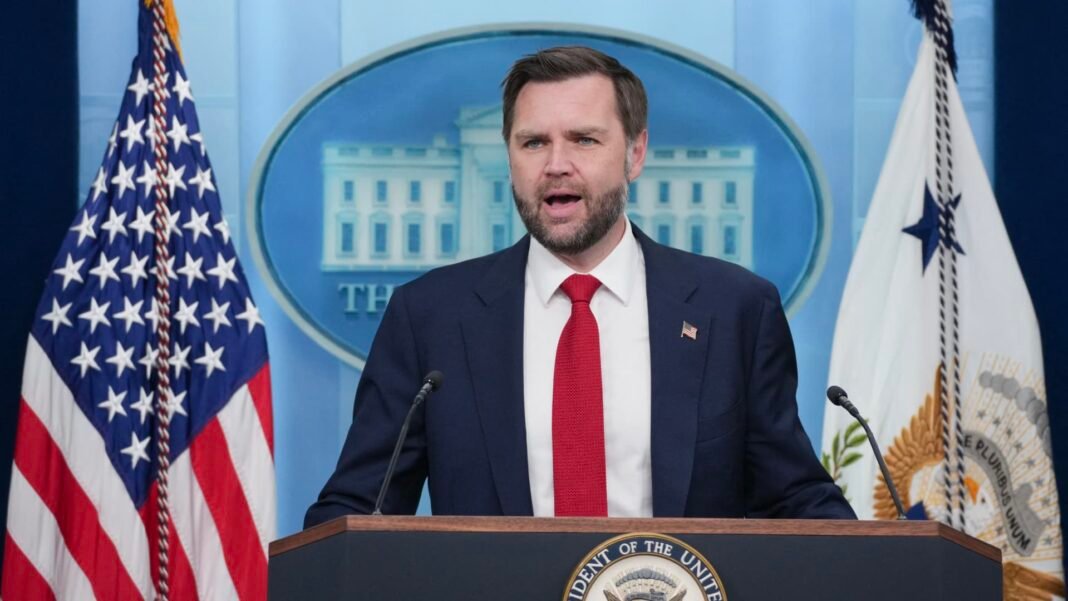
The recently established memorandum of understanding between the United States and Iran, negotiated during President Donald Trump’s tenure, has ignited widespread discussion about its potential economic repercussions and geopolitical significance.Vice President JD Vance clarified that this pact does not entail direct monetary transfers to Iran; instead, any financial benefits Tehran might receive are strictly conditional upon full compliance with all agreed terms.
“No funds will be released to Iran without their complete adherence,” Vance emphasized, addressing concerns over possible concessions embedded within the 14-point agreement. The memorandum outlines measures such as easing select sanctions, unlocking previously frozen Iranian assets, and proposing a $300 billion reconstruction fund contingent on Tehran’s cooperation.
Sanctions Relief: Calculated strategy or Hazardous concession?
Opponents argue that lifting sanctions represents a major compromise. Though, Vance countered this by pointing out that many sanctions had already lost effectiveness due to Iran’s ongoing oil exports circumventing restrictions. He suggested that removing these barriers could actually improve U.S. intelligence operations by offering clearer visibility into Iranian financial flows.
“By lifting sanctions, we gain insight into how money moves within Iran’s economy-a strategic advantage for American interests,” stated Vance.
Nuclear Programme Restrictions: A Diplomatic Milestone
A central achievement highlighted by supporters is the partial dismantling of Iran’s nuclear program under this accord. This marks a shift from military confrontation toward diplomatic engagement aimed at fostering long-term stability in the Middle East.
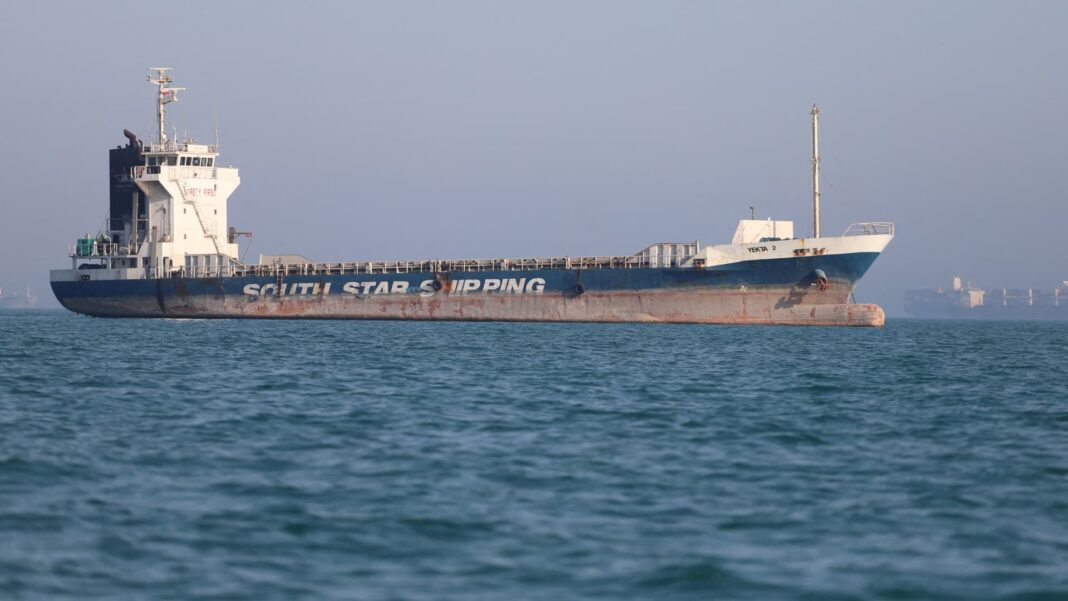
The agreement also temporarily suspends hostilities while reopening vital maritime routes like the Strait of Hormuz for at least 60 days-creating a critical window for further negotiations toward a comprehensive settlement. This timeframe may be extended depending on progress made during talks.
Regional Implications if Tehran Complies Fully
If Iran honors its commitments under this framework,it could trigger significant shifts across Middle Eastern geopolitics:
“A genuine change in Iranian conduct would open doors to transformative regional relationships,” remarked Vance.
Political Reactions and congressional Oversight Challenges
The management has shared copies of the signed memorandum with Congress members ahead of detailed briefings planned for lawmakers. Despite bipartisan skepticism regarding bypassing congressional approval when temporarily suspending certain sanctions provisions, officials remain confident in their legal authority to proceed cautiously without immediate legislative consent.
- Bipartisan Reservations: Some senators warn that rewarding Tehran after years of conflict risks undermining U.S strategic interests.
A prominent senator described it as potentially one of Trump’s most consequential foreign policy errors given doubts about whether Iran will fully relinquish enriched uranium stockpiles. - Nikki Haley’s Critique: The former UN ambassador supported targeted strikes against nuclear facilities but condemned funding efforts aimed at rebuilding recently neutralized capabilities.
“Allocating billions toward reconstructing threats we just eliminated is misguided,” she asserted strongly. - Ted Cruz’s Concerns: Senator Cruz questioned whether proposed reconstruction funds might inadvertently empower hardline factions within Iran’s leadership.
“Is $300 billion effectively flowing into ayatollah-controlled hands? I sincerely hope not,” he commented during his podcast discussion.
The Agreement Amidst Volatile Energy Markets
This deal emerges amid turbulent global energy markets where supply chain disruptions have pushed gasoline prices up more than 15% year-over-year in major economies such as Europe and North America according to recent industry reports. Reopening shipping lanes like Hormuz could alleviate some pressure on oil transport costs while introducing new geopolitical variables tied directly to regional stability in one of the world’s most sensitive areas.
Evolving Economic Effects on Consumers Worldwide
if successfully implemented with strict monitoring leading to increased Iranian oil exports, consumers globally may gradually benefit from lower fuel prices or stabilized inflation rates linked directly or indirectly to energy costs-factors currently straining household budgets amid post-pandemic recovery challenges worldwide.
The Path Forward: Ensuring Compliance While Balancing Risks
This delicate interplay between diplomacy and enforcement will determine how effectively this peace initiative reshapes international relations going forward-and whether it can deliver tangible economic benefits regionally without compromising security objectives or empowering destabilizing forces within Iran’s political landscape.