In-Depth Analysis of Regional Destruction from US-Israel Military Operations Targeting Iran
Extensive Damage to Key Iranian Strategic Facilities
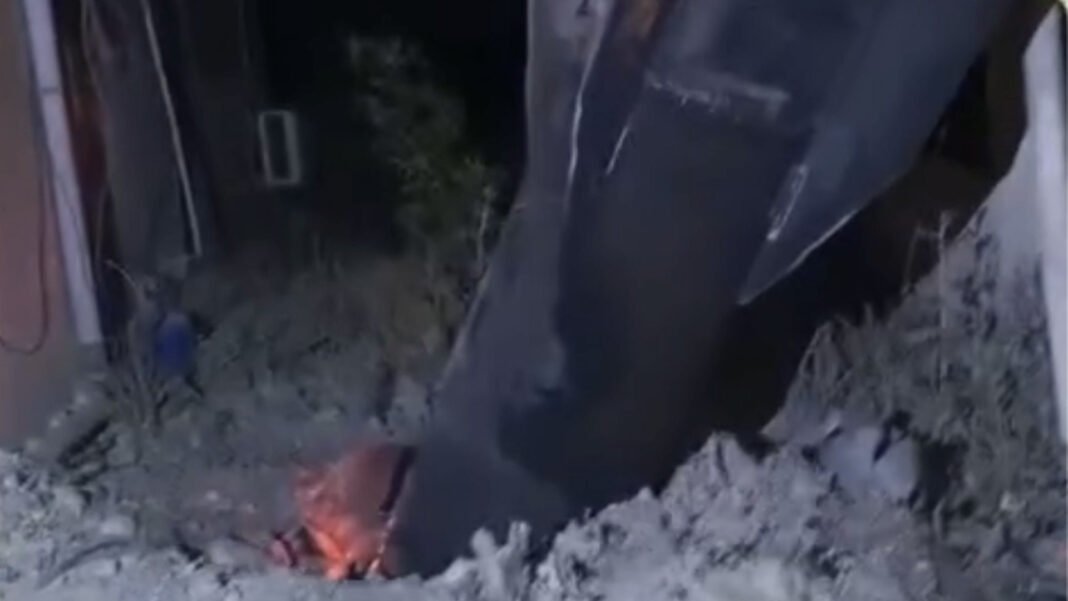
The ongoing military operations conducted by the United States and Israel against Iran, now surpassing 100 days, have caused meaningful harm to critical infrastructure across multiple strategic locations. Although recent satellite imagery has been restricted at Washington’s request, earlier high-resolution images from commercial providers such as Maxar Technologies and ICEYE offer valuable insights into the extent of devastation.
Natanz Uranium Enrichment complex: Located in isfahan province, Natanz stands as Iran’s principal uranium enrichment site. In mid-2025, it endured two major assaults-initially by Israeli special forces followed by coordinated US airstrikes under Operation Silent Dagger. Comparative satellite photos reveal widespread destruction affecting key operational buildings, vehicle access ramps, and entry points leading to subterranean centrifuge halls.
Siri Island Oil Export Terminal: Situated roughly 70 kilometers off Iran’s southern coastline in the Persian Gulf, Siri Island serves as a vital oil export hub supporting several offshore fields.Satellite data captured on April 15, 2026 from Sentinel-2 satellites documented a massive inferno consuming its largest storage tank with over one million barrels capacity after a direct strike-paralleling previous attacks on Kharg Island’s petroleum facilities.
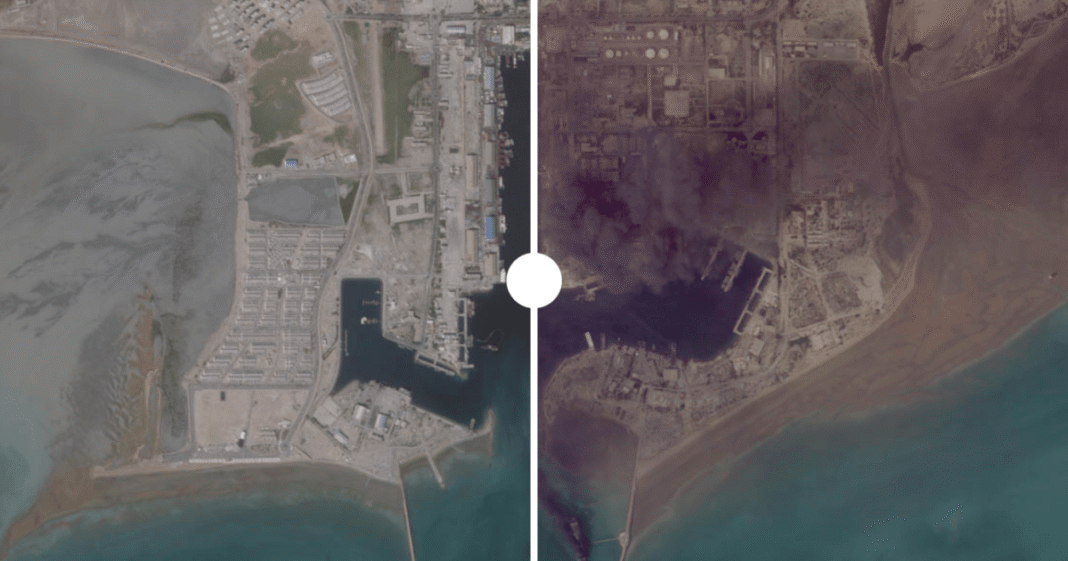
Bandar Abbas Port Infrastructure: This crucial maritime gateway near the strait of Hormuz suffered extensive damage across eleven distinct sites between late February and early April 2026. Imagery analysis highlights collapsed warehouses and severely damaged docked vessels essential for regional shipping logistics.
Fath Air Base Near Karaj: Approximately 35 kilometers west of Tehran lies this key IRGC Aerospace Force installation housing attack helicopters and drone units. Satellite images from April show widespread structural collapse including hangar roofs caved in alongside scorched runways marked by burn scars indicative of intense explosions.
The Bandar Abbas Naval Facility: Serving as the home port for the Islamic Republic of Iran navy (IRIN), this strategic naval base sustained heavy damage during strikes observed in early March imagery. Notably affected was the “IRIS Makran” vessel which was engulfed in flames with thick smoke rising above large-scale fires within base boundaries.
The Ripple Effects on Lebanese Regions
The conflict’s impact extends beyond Iranian borders into Lebanon where numerous towns have faced severe destruction due to intensified military engagements.
The Naqoura Coastal Zone: Located in southwestern Lebanon as headquarters for UNIFIL peacekeeping forces, Naqoura experienced substantial devastation between mid-February and mid-April according to satellite assessments showing over one hundred buildings destroyed within this strategically important coastal area.
Bint Jbeil Municipality: Historically recognized as southern Lebanon’s symbolic border town, Bint Jbeil underwent relentless Israeli ground offensives combined with aerial bombardments resulting in catastrophic damage confirmed across approximately seven hundred twenty-five structures during early spring months of 2026.
The Elevated Village of Rachaf:
- This hillside community overlooking critical transit routes near Israel’s border within Bint Jbeil district was largely razed; detailed analyses reveal entire residential sectors flattened amid agricultural lands vital for local economies.
Kozah and Beit Lif Settlements:
- Twin villages adjacent to Israel’s frontier suffered extensive harm including historic landmarks such as St Mary Church along with UNIFIL posts either destroyed or heavily impaired during February-April surveillance periods documented via Airbus satellites.
Evolving Crisis at Gulf Military Bases Amid Rising Tensions
A number of pivotal military installations throughout the Gulf region have also been targeted amid escalating confrontations linked to Iranian missile launches countered by coalition defenses deploying advanced interception systems like THAAD and Patriot batteries.
- Al Udeid air base (Qatar):
- This forward operating command center southwest of Doha showed strike-related damages impacting logistics hubs plus aircraft shelters based on imagery collected in early april 2026 revealing three distinct impact zones within Camp Andy used extensively by coalition personnel;
- Kuwait’s Ali Al Salem Air Base:
- A vital support hub facilitating US-led airlift missions exhibited nine separate damaged areas primarily around tent encampments following debris fallout caused by intercepted Iranian ballistic missiles detected through high-resolution Airbus captures dated March first week;
- Diverse Strikes at al-Dhafra Airbase (UAE):
- this facility south of Abu Dhabi supports Western aerial refueling & intelligence surveillance; recent Sentinel-2 plus Airbus images revealed fresh hits damaging multiple aircraft hangars indicating persistent vulnerabilities despite robust defense measures;
- Sustained Attacks on Saudi Arabia’s Prince Sultan Air Base:
- A strategic Royal Saudi Air Force installation located about fifty miles southward Riyadh endured missile-drone strikes causing runway impairments alongside structural damages verified through Sentinel-2 data recorded late March;
Bahrain: The Strategic Hub Under Siege – US Fifth Fleet Headquarters
< p > nestled inside Mina Salman naval complex at Manama , Bahrain , this command center directs american naval operations throughout Middle Eastern waters . Imagery obtained starting March reveals widespread structural impairments including radar dome hits disrupting essential maritime surveillance capabilities . < h2 > Conclusion: A Region Transformed Through Conflict
< p > The cumulative evidence derived from satellite observations paints a stark portrait: critical energy infrastructures , military bases , ports , civilian communities – all bear visible scars reflecting intensified hostilities since initial strikes began more than three months ago. These findings highlight not only immediate tactical setbacks but also profound long-term challenges threatening regional stability amid shifting geopolitical landscapes .