adaptive Robotics: Transforming Manufacturing in teh Face of Labor Shortages
The manufacturing industry is currently confronting significant labour shortages, driving a heightened focus on advanced automation technologies. Even though humanoid robots have not yet fully supplanted human workers on production lines, innovative robotic solutions are swiftly bridging this gap by delivering adaptable and efficient alternatives.
From Rigid Automation to Versatile Robotic Systems
Conventional robots typically excel at repetitive, narrowly defined tasks-such as placing identical items into fixed slots-but often falter when faced with complex or variable workflows. To overcome these challenges, emerging companies are creating modular robotic platforms that can reconfigure their physical components to suit diverse operational demands. These adaptable machines swap out parts like arms and grippers to manage a broad spectrum of products, ranging from sorting electronics components to handling packaged food items in fast-paced distribution centers.
Innovative Modular Robotics: theker’s Adaptive Solutions
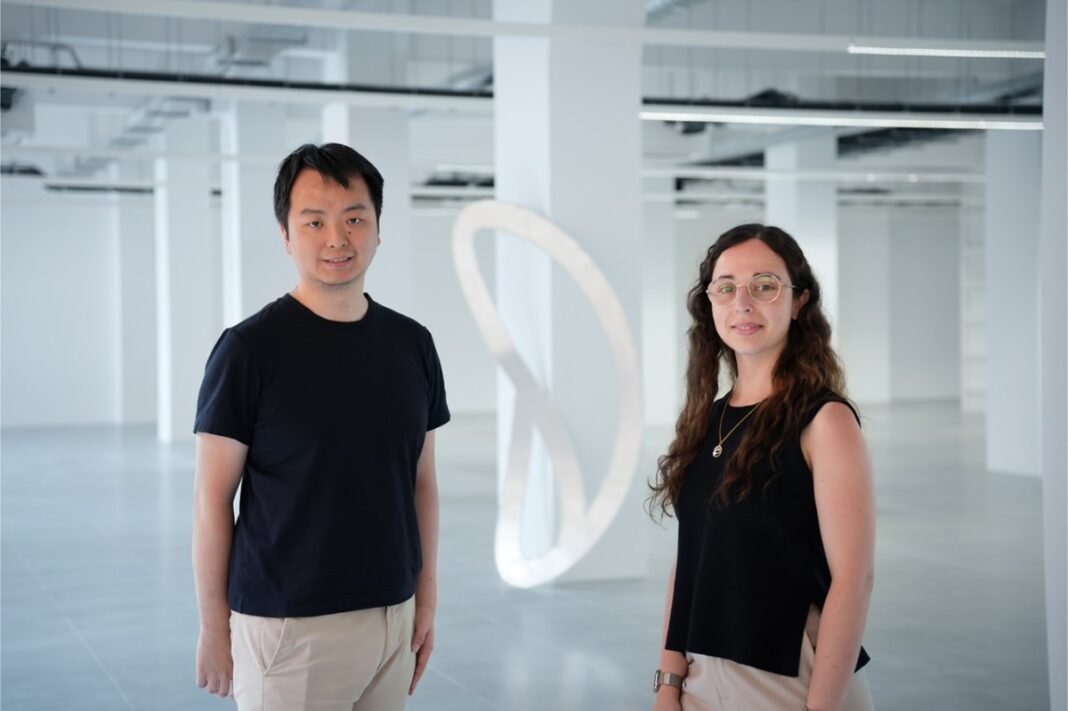
A standout example is Theker, an AI-powered robotics firm based in Barcelona specializing in customizable industrial robots designed for multifaceted applications. Unlike humanoid models constrained by fixed structures-such as Boston Dynamics’ Atlas-Theker’s technology enables hardware configurations that can be resized or exchanged depending on task complexity and product variety.
This flexibility makes Theker’s systems suitable not only for retail logistics but also for heavy manufacturing sectors where intricate manual processes occur at scale. Their approach signals a shift away from single-purpose automation toward versatile robotic platforms capable of efficiently addressing diverse production requirements.
Driving Innovation Through Strategic Collaborations
Theker recently secured $85 million in Europe’s largest Series A funding round dedicated exclusively to robotics startups-a clear indicator of growing investor confidence. This follows an earlier record-breaking seed round and includes backing from major players such as Samsung and Aglaé Ventures.
Although Samsung has yet to formalize its role as a client, ongoing advanced discussions hint at potential partnerships involving customer engagement strategies, supply chain integration efforts, and further investment opportunities-all poised to accelerate Theker’s global market expansion.
Prioritizing Practical Deployment Over lab Experiments
Diverging from many tech startups that test innovations primarily within corporate labs before wider release, Theker emphasizes direct collaboration with logistics operators and manufacturing teams where implementation cycles are shorter and results more immediate. To showcase real-world capabilities early on,the company operates interactive showrooms starting in central Barcelona with plans for expansion across Europe,North America,and Asia-Pacific regions.
This hands-on strategy facilitates rapid iteration informed by actual user feedback while building credibility among clients who prioritize proven performance over theoretical potential.
Navigating Talent Acquisition Amid Rapid Growth
The surge in demand for adaptive robotics has translated into overwhelming recruitment interest; within months of announcing its growth trajectory, Theker received over 15,000 job applications worldwide. Projections suggest the workforce could quadruple by year-end-from current staffing levels into approximately 120 employees spanning technical growth through sales roles across multiple continents.
Catalonia Emerges as a Key Robotics Innovation Hub
The decision to maintain headquarters in Barcelona reflects confidence not only in local talent availability but also Catalonia’s rising prominence as a European center for robotics research and development. Despite concerns about geographic disadvantages compared with Silicon Valley or other global tech hubs,Theker views its location advantageously within Europe’s expanding ecosystem of academic institutions and industrial partners focused on next-generation automation technologies.
“Our presence here hasn’t hindered our progress; instead it enriches our unique perspective,” said one co-founder regarding their commitment to European roots amid ambitious global goals.”
The Road Ahead: Generalist Robots Shaping Industrial Futures
- Wide-Ranging Applications: From e-commerce warehouses managing mixed-product shipments to automotive factories requiring flexible tooling adjustments;
- Sustainability Benefits: Adaptive robots help reduce waste by minimizing errors caused by inflexible programming;
- Evolving Workforce Models: Collaborative human-robot teams boost productivity while mitigating labor shortages;
- Investment Momentum: Growing capital inflows into startups combining AI intelligence with mechanical adaptability reflect strong market optimism;
- User-Focused design: Modular architectures simplify maintenance upgrades extending equipment lifespan compared with conventional monolithic robot designs.
The trajectory pioneered by companies like Theker illustrates how clever modularity paired with strategic alliances can revolutionize manufacturing efficiency amid global challenges such as workforce scarcity. As these flexible systems gain traction worldwide-including planned expansions throughout Asia-Pacific-they signal an era where adaptable automation becomes essential rather than extraordinary within industrial ecosystems.