



In-Depth Analysis of the Latest Presidential Pardons
Background and Contextual Overview
In a significant and controversial decision, former President Donald Trump issued pardons to several close associates involved in attempts to submit fraudulent elector certificates from key battleground states. These efforts aimed to overturn the certified results of the 2020 presidential election.The declaration was made public late sunday night by Pardon Attorney Ed Martin via the social media platform X.
Key Figures Granted Clemency
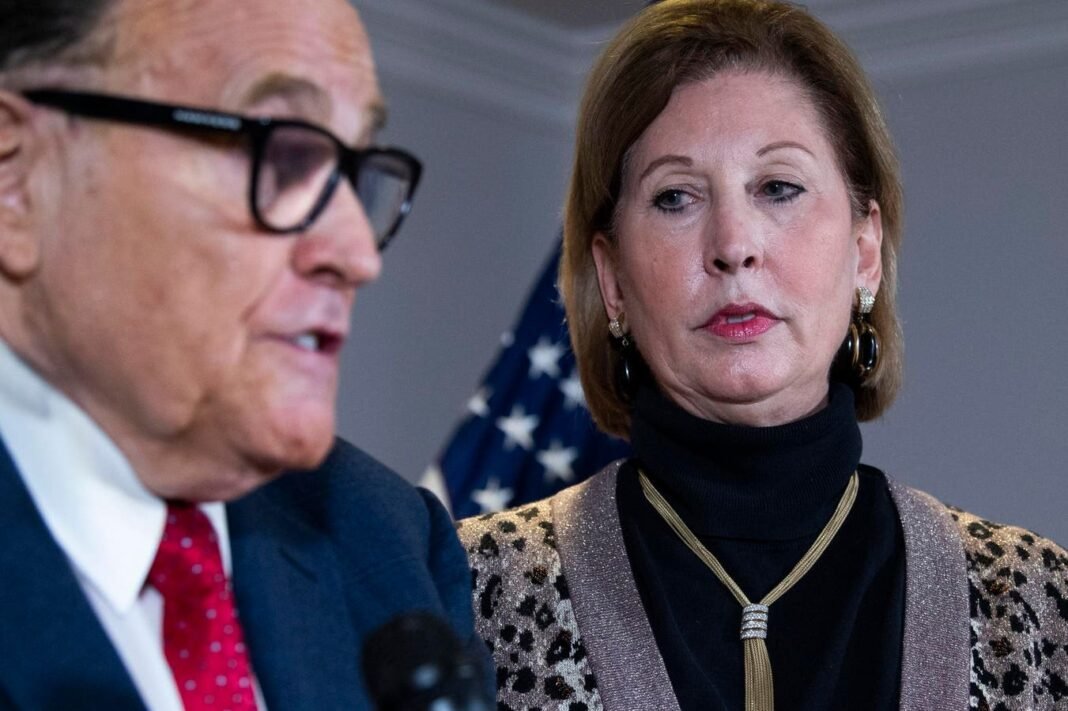
The pardon list prominently includes prominent members of Trump’s legal defense team such as Rudy Giuliani, John Eastman, and Sidney Powell. Additionally, Mark Meadows, who served as White House chief of Staff during Trump’s tenure, was also granted a pardon.
Other notable individuals receiving clemency include Boris Epshteyn-an advisor closely connected with Trump-Jenna Ellis from the legal team,and Kenneth Chesebro. Chesebro is widely recognized as one of the main architects behind the scheme involving fake electors submitted on behalf of seven swing states that Joe Biden won in 2020.
Details Surrounding the Scope of Pardons
The official pardon statement covers all actions related to “the advice, creation, association, execution, submission, support, voting,” or any participation connected with proposed slates of presidential electors tied to the 2020 election outcome.This expansive wording effectively grants immunity from prosecution for their involvement in this contentious episode.
Furthermore, these pardons protect activities undertaken under claims intended to expose alleged voting irregularities or fraud during that election cycle-a narrative repeatedly promoted by Trump despite numerous audits and court rulings nationwide finding no substantial evidence.
The document explicitly notes that these pardons do not apply to Donald Trump himself.
Implications and Broader Meaning
“This proclamation rectifies a profound national injustice inflicted upon Americans following the 2020 Presidential election and advances efforts toward national healing.”
This declaration reflects how supporters interpret these pardons as corrective actions addressing perceived injustices after one of America’s most divisive elections.Conversely, critics contend this move exacerbates political polarization amid ongoing disputes over electoral legitimacy.
A Modern-Day Context on Election Security
This advancement emerges amid intensified global focus on election security; such as, recent polls indicate over 90% confidence among U.S voters regarding ballot integrity . Nevertheless, misinformation campaigns continue worldwide undermining democratic processes-from cyberattacks targeting Brazil’s recent elections to disinformation challenges faced by European countries ahead of parliamentary votes.


