Millions Face SNAP Benefit Interruptions Amid Extended Federal Shutdown
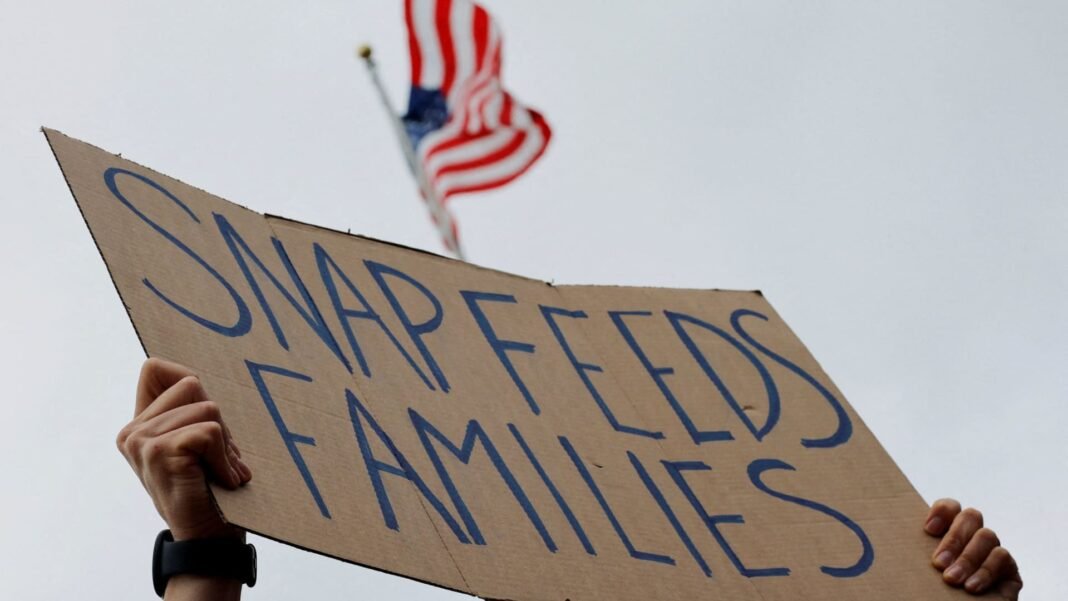
With the U.S. government shutdown now exceeding three weeks, nearly 42 million Americans are at risk of losing their monthly Supplemental Nutrition Assistance Programme (SNAP) benefits. Should the shutdown continue beyond November 1,funding for SNAP will cease,leaving many families without essential food support.
Household Hardships and Economic Consequences of SNAP Disruptions
The suspension of SNAP payments would hit vulnerable households struggling with food insecurity particularly hard. Many depend on these benefits to purchase basic groceries, and without them, food banks across the country are expected to face surging demand. The impact extends beyond individual families; local economies and retail businesses that rely heavily on SNAP-related spending could experience significant downturns.
Recent market research indicates that consumers receiving SNAP benefits tend to shop more frequently and spend more overall on groceries compared to non-beneficiaries. In fiscal year 2024, recipients averaged about $187 in monthly assistance but spent roughly $832 per month on groceries-approximately 20% higher than shoppers not using aid programs-while their average spend per shopping trip was around $21, about 12% less than other consumers.
This spending behavior underscores how crucial uninterrupted benefit distribution is not only for maintaining household nutrition but also for supporting consistent retail activity across multiple outlets each month.
Retail Sector Faces Operational Challenges Amid Funding Gaps
Grocery stores serving large numbers of SNAP customers anticipate serious difficulties if benefit payments stop. Retailers often align staffing schedules and inventory orders with benefit disbursement cycles; interruptions could lead to reduced employee hours, increased spoilage of perishables due to lower sales volumes, and overall revenue losses.
The National Grocers Association warns that when benefits eventually resume after a pause, sudden surges in demand may strain supply chains nationwide-a situation reminiscent of disruptions experienced during previous emergency relief interruptions.
Key Retailers Dependent on SNAP Shoppers
Data from consumer analytics firm Numerator shows major retailers like Walmart dominate grocery spending by SNAP beneficiaries-with over 94% having shopped there within the past year-and an average annual expenditure exceeding $2,650 per customer from this group alone. Kroger ranks as another significant retailer where nearly half of all recipients shop annually.
Discount retailers such as dollar General and Dollar Tree also rely substantially on this demographic but account for smaller shares-mid-single-digit percentages-in sales directly linked to SNAP purchases. Membership-based warehouse clubs like Costco rank third among venues frequented by these shoppers despite requiring paid memberships; Sam’s Club similarly attracts some government assistance participants through discounted membership offers tied to program verification processes.
A shift From Pandemic peaks Yet Elevated Compared To Pre-COVID Levels
The share of grocery trips funded through programs like SNAP or Women Infants & Children (WIC) has declined from its pandemic peak-6.5% recorded in late 2021-to approximately 3.6% so far in September 2025. However, this remains above pre-pandemic levels which hovered between roughly 2-3%, reflecting ongoing dependence amid inflationary pressures impacting low-income households nationwide.
The Wider Impact: Reduced Consumer Spending beyond Food Purchases
If federal nutrition support halts abruptly due to continued shutdowns or legislative cuts such as those proposed earlier this year reducing benefits by around 20%, discretionary spending across other retail sectors is likely to contract sharply among affected populations.
“When disposable income shrinks substantially, consumers prioritize essentials over non-essential items,” explains a leading equity analyst.
He predicts that November earnings reports may reveal weakened discretionary sales directly linked to lapses in food assistance programs during this period.
State Governments step In With Emergency Measures
Aware of potential federal delays or gaps during shutdowns prompting hardship for residents reliant on nutrition aid programs, several states have initiated temporary relief efforts: new York recently allocated $30 million toward assisting individuals impacted by halted federal payments-a strategy mirrored by other states exploring emergency funding options amid national uncertainty.
The Path Forward: Anticipated Recovery Post-Shutdown Resolution
an end date remains uncertain; however once government operations fully resume funding-including retroactive back payments-is expected.
“A resolution could inject much-needed financial resources into low-income households heading into peak shopping seasons as missed funds are reimbursed,” says an industry expert optimistically regarding future consumer trends post-shutdown.
This catch-up effect might temporarily boost purchasing power among families who endured months without regular support-but it cannot fully offset hardships experienced throughout suspension periods themselves.