Europe’s urgent Mission: Cutting Reliance on China for Rare Earth Elements
The Essential Role of Rare Earth Elements in Europe’s industrial Landscape
Rare earth elements form the backbone of many vital European sectors, including electric vehicle production, renewable energy infrastructure, advanced electronics manufacturing, and defense technologies. These 17 critical metals enable the creation of components such as permanent magnets used in wind turbines and military equipment. Despite their importance, Europe remains heavily dependent on China for sourcing these indispensable materials.
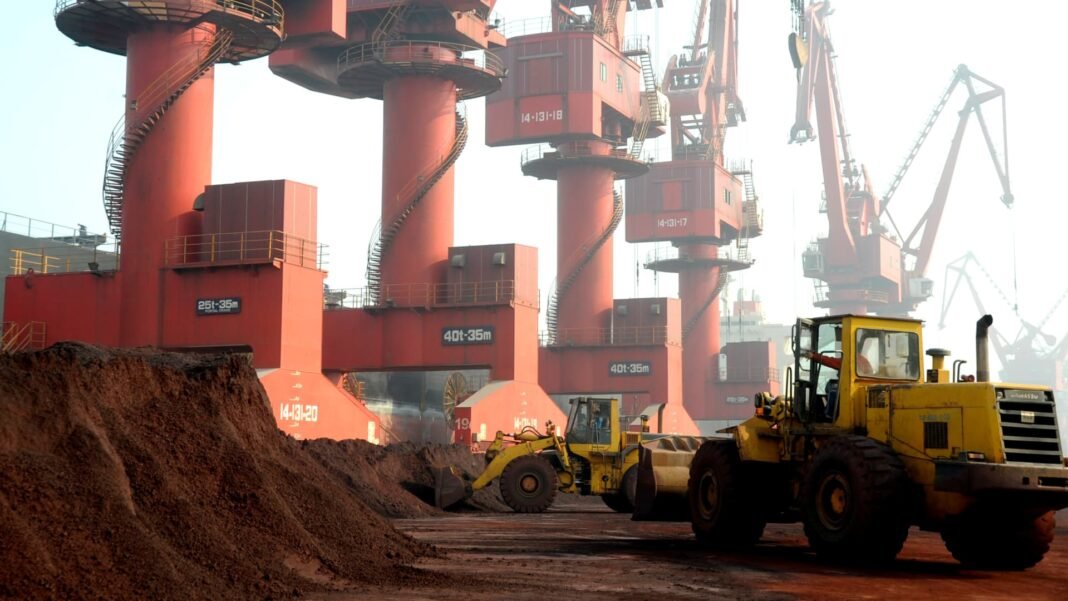
In 2024, China maintained it’s dominant position by supplying nearly 60% of global rare earth mining output and controlling over 90% of refining capacity worldwide. Additionally, it leads in producing permanent magnets essential to numerous high-tech applications.
Geopolitical risks Heighten Europe’s Supply Chain Fragility
This heavy concentration within Chinese borders exposes European industries to significant risks amid escalating geopolitical tensions. Earlier this year, Beijing imposed export restrictions that threatened global availability before easing them temporarily after diplomatic talks with major importers like the EU and the United States.
The european Union currently sources close to 70% of its rare earth elements from China-including almost all rare earth magnets-highlighting a fragile dependency that could disrupt technological advancements if supply interruptions recur.
Diplomatic Efforts Provide Temporary Relief but No Long-Term Solution
This week representatives from Germany and the Netherlands engaged with Chinese officials to discuss export policies affecting both rare earth shipments and semiconductor components crucial for maintaining industrial stability amid ongoing trade disputes worldwide.
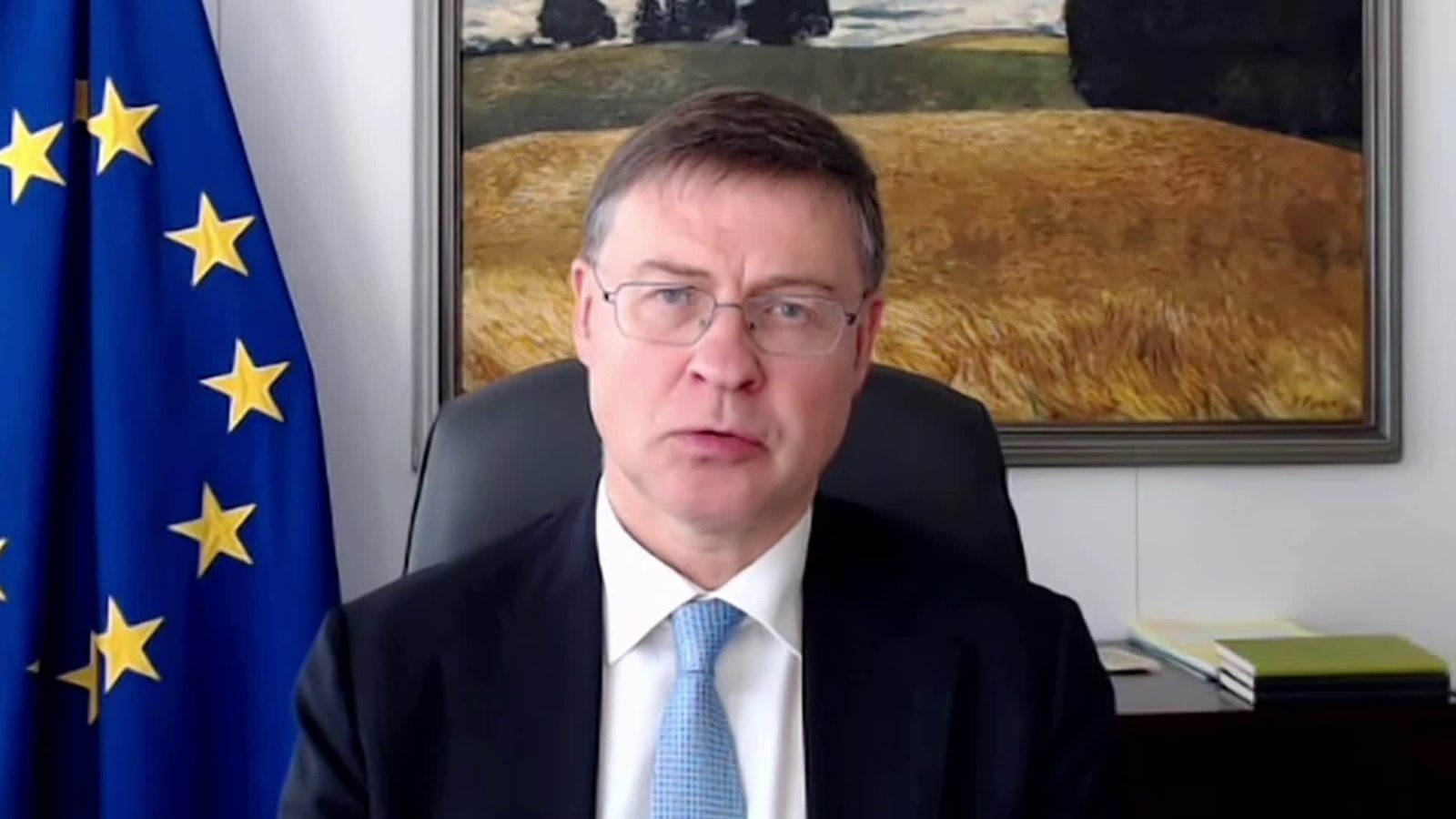
“While recent temporary relaxations offer some breathing space,” a senior EU economic official noted,“the urgent priority remains establishing diverse supply options swiftly.”
Pursuing Diversification: Progress Amid Regulatory Challenges
Acknowledging these vulnerabilities, European policymakers have initiated programs aimed at reducing dependence on Chinese supplies. The RESourceEU initiative emphasizes recycling critical raw materials from end-of-life products such as batteries while promoting joint procurement strategies and strategic stockpiling efforts.
The EU is also accelerating investments into domestic mining projects or partnerships with countries like Australia, Canada, Ukraine, Kazakhstan, Chile, Greenland, and Uzbekistan to secure choice sources for critical minerals.
Navigating Environmental Regulations Slows Expansion
Although promising deposits exist across Sweden, Norway, Turkey-and exploration continues uncovering new reserves-the continent faces prolonged permitting procedures combined with strict environmental safeguards that delay mining operations significantly compared to China’s rapid industrial growth achieved without similar constraints or public opposition over past decades.
A Milestone: Europe’s first Large-Scale Rare Earth Magnet Factory Opens
A notable breakthrough occurred recently in Narva (Estonia), where Europe inaugurated its first large-scale facility dedicated to producing rare-earth magnets. Funded jointly by Canadian investors alongside EU resources, this plant primarily utilizes raw materials sourced from australia and malaysia , marking a crucial step toward establishing regional processing capabilities previously lacking across much of Europe’s industrial base.
The High Stakes: Material Security Underpins Green Ambitions
“Europe’s drive toward climate neutrality coupled with digital transformation depends fundamentally on securing stable access to these raw materials,” experts stress. “Historically viewed merely as commodities rather than strategic assets here-this complacency now threatens economic resilience.”
lack of control over key inputs such as gallium or germanium could slow semiconductor manufacturing lines vital for artificial intelligence progress while hindering wind power expansion necessary for achieving net-zero emissions targets by mid-century.Without diversified supply chains under its influence, europe’s green transition risks faltering amid intensifying global competition .
A Global Perspective: Insights From Other Regions’ Experiences
- Taiwan: Its dominance in semiconductor fabrication demonstrates how concentrated control can create vulnerabilities but also foster innovation when supported by robust policy frameworks;
- Nigeria: Despite abundant cobalt reserves essential for battery production; inadequate infrastructure limits local value addition;
- Cambodia:‘s early-stage lithium extraction efforts reveal challenges balancing environmental protection against surging global demand;
The Path Forward: Accelerating Change While Upholding Sustainability Standards
The pressing geopolitical landscape may compel regulatory reforms within Europe aimed at streamlining mining approvals without sacrificing environmental protections-a delicate equilibrium necessary if rapid diversification is expected within this decade rather than stretching into decades ahead.
“In today’s world agility is rewarded more than ever,” remarked a leading economist specializing in resource policy.
“Europe must quickly learn from past dependencies-especially energy crises-to avoid repeating history.”