Exploring the Arctic’s Untapped Mineral treasures: The New Arena of Global Resource Rivalry
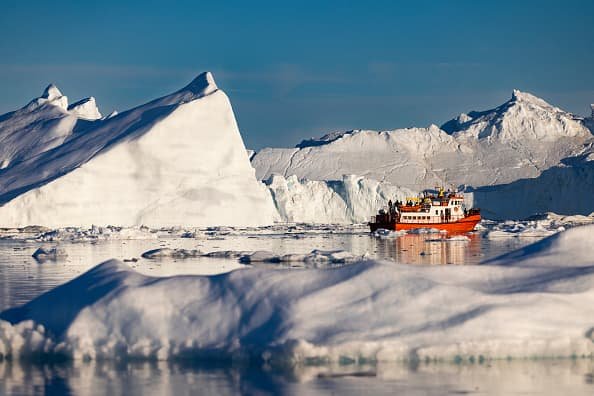
The Arctic is swiftly becoming a pivotal zone in the global contest for access to valuable natural resources. As climate change accelerates ice melt, mineral deposits once hidden beneath thick glaciers are now accessible, prompting intensified interest and competition among nations worldwide.
Melting Ice Reveals Rich Mineral Deposits
Greenland’s environment is undergoing a profound transformation as its ice sheet diminishes at record speeds. Satellite data from recent years show that vast areas previously covered by ice have transitioned into wetlands, exposed bedrock, and emerging vegetation zones-unveiling mineral-rich grounds that were inaccessible until now.
This environmental evolution has attracted mining enterprises eager to exploit Greenland’s wealth of base metals, precious stones, rare earth elements (REEs), uranium, and other critical minerals. Additionally, the retreating ice enhances summer navigation through Arctic waters, opening new shipping routes that further increase the region’s strategic value.
Beyond Fossil Fuels: The Rise of Strategic Minerals
The Arctic’s importance extends far beyond oil and gas reserves; it harbors essential materials crucial for cutting-edge technologies. Elements such as germanium, gallium, zinc, lead, silver-and even gemstones-form an expanding portfolio vital for electric vehicles (EVs), advanced electronics manufacturing, and defence applications.
Germanium, used extensively in fiber optics and solar panels; gallium, key to semiconductor production; along with rare earth metals like neodymium employed in high-strength magnets-all have surged in importance amid ongoing global supply chain disruptions.
A Heightened Geopolitical Contest Over Arctic Resources
The race to control Arctic minerals has become intertwined with national security concerns and geopolitical influence. The United States regards Greenland as a strategic asset due to its resource potential and proximity to emerging shipping lanes created by melting sea ice.
Canada, despite diplomatic challenges with neighboring countries over territorial claims in the north, is ramping up investments into its northern regions. Simultaneously occurring, Russia sustains its dominance along its extensive Arctic coastline by deploying state-of-the-art nuclear-powered icebreakers designed for year-round navigation-a clear exhibition of prioritizing regional supremacy.
Northern Europe’s Growing Stake: Sweden’s Kiruna Region Example
- The Kiruna area hosts one of Europe’s largest recently identified rare earth deposits near existing iron ore mines operated by state-owned LKAB;
- This discovery could significantly reduce Europe’s reliance on foreign suppliers for critical minerals;
- LKAB faces logistical challenges balancing infrastructure growth costs against economic viability despite leveraging established mining operations;
- The company actively collaborates with European policymakers aiming at enduring frameworks that support long-term growth without sacrificing profitability;
- This case exemplifies how even well-positioned players must overcome complex hurdles inherent in remote arctic environments.
Navigating Challenges While Developing New Mines
“Establishing mining ventures here demands importing nearly all necessary equipment,” says experts familiar with on-site realities.“Even under ideal conditions it may take 15-20 years before these projects turn profitable.”
This extended timeline reflects numerous obstacles including harsh weather persisting most months annually; sparse transportation infrastructure; elevated operational expenses; regulatory complexities involving indigenous rights protections alongside environmental safeguards-all factors slowing rapid resource exploitation despite surging global demand driven by green energy transitions.
Diversification Strategies Amid Market Volatility
An illustrative example comes from companies like Amaroq Mining which recently reported discoveries not only of rare earth elements but also commercially viable quantities of germanium and gallium at their western Greenland sites-metals whose supply chains have been disrupted since 2023 due to export restrictions imposed amid escalating technology trade tensions between China and Western nations.
“shortages of germanium & gallium present notable risks,” industry leaders warn.
“While some rare earth processing capacity exists outside China through firms like Lynas Corp., securing alternative sources remains urgent.”
This approach aims at generating steady revenue streams from more established metals such as zinc or silver while scaling production capabilities for rarer strategic elements expected to underpin future technological breakthroughs globally.
A Complex Outlook: Separating Hype From Reality in The Race For Arctic Resources
- Arduous Environment: Extreme cold combined with prolonged darkness restrict operational periods each year;
- Distant Markets: Transporting extracted materials thousands of miles inflates costs affecting competitiveness;
- Sustainability Issues: Indigenous peoples’ rights alongside fragile ecosystems require careful stewardship preventing unchecked exploitation;
- Evolving Political Landscape: Shifting alliances may unpredictably impact investment climates influencing project longevity;
- “Success depends less on speed than endurance,” experts conclude.
“Those prepared for decades-long development cycles will ultimately prevail.”