The Cars: A Complete Look at a Pioneering Rock and New Wave Band
Origins in Boston’s Thriving Music Scene
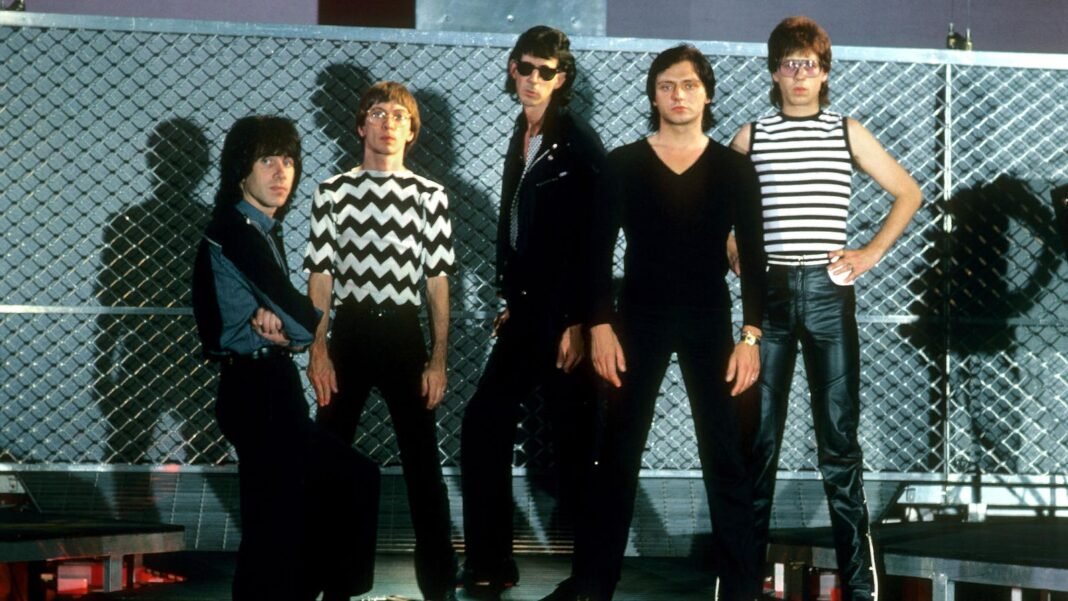
Formed amid the energetic Boston music landscape of the mid-1970s, The Cars swiftly emerged as trailblazers by merging traditional rock foundations with the fresh sounds of New Wave and catchy pop melodies.The ensemble-featuring Ric Ocasek on vocals and rhythm guitar, Benjamin Orr as lead singer and bassist, Elliot Easton wielding lead guitar, Greg Hawkes on keyboards, and David Robinson behind the drum kit-crafted a signature style that earned them multi-platinum acclaim. Their enduring hits include “Just what I Needed,” “My Best Friend’s Girl,” “Let’s Go,” “Shake It up,” “You Might Think”, and “drive.”
Behind the Spotlight: Untold Narratives of The Cars
While their commercial peak spanned from 1978 to 1987-and culminated in induction into the Rock & Roll Hall of Fame-the personal dynamics within The Cars remained largely veiled for years. Beyond well-known details such as Ocasek’s marriage to model Paulina Porizkova or Orr’s tragic passing from pancreatic cancer in 2000, much about their interpersonal relationships stayed private until recently.
A Detailed Chronicle Through Exclusive Perspectives
An extensive biography spanning over 500 pages offers fresh insights gathered through interviews with surviving members Hawkes, Robinson, Easton alongside archival discussions featuring Ocasek and Orr. This narrative traces their journey from early collaborations in lesser-known groups like Milkwood and Cap’n Swing during the early ’70s; through rapid rise within Boston’s underground scene; signing with elektra Records; achieving massive commercial success; internal tensions leading to their late ’80s breakup; culminating in a reunion more than two decades later.
The Complex Chemistry: Collaboration Amid Conflict
The partnership between Ric Ocasek and Benjamin Orr was both foundational to The Cars’ sound yet marked by complexity. their creative alliance evolved over roughly ten years before solidifying into what became The Cars’ definitive lineup. Though they complemented each other musically like yin-and-yang forces shaping much of the band’s identity, underlying tensions gradually surfaced after initial successes.
This dynamic is evident when examining albums such as Panorama (1980),which diverged stylistically from earlier mainstream hits but has since been praised for its pioneering electronic textures reminiscent of today’s synth-pop acts like CHVRCHES or M83. Following this came Shake It Up (1981),where they briefly returned to accessible rock before embracing MTV-era polish on 1984’s landmark album Heartbeat City. Throughout these phases internal divisions deepened noticeably.
The Enigmatic Frontman Behind Closed Doors
Ric Ocasek emerges not only as principal songwriter but also an intensely private figure-even among bandmates. His ability to compartmentalize aspects of his life was unusual; for example, keyboardist Greg Hawkes only discovered during touring for their second album that Ric had left behind a family in Ohio prior to relocating east-a secret never openly discussed within the group.
Navigating Fame While Facing Personal Challenges
The pressures accompanying stardom affected members individually-most notably Benjamin Orr whose post-band years were marked by hardship culminating in his death at age 53 due to pancreatic cancer. Reports reveal strained relations between him and Ocasek following The Cars’ split after 1987’s Door to door . attempts at reconciliation were made but often met with silence or distance.
A Reunion Rooted More In Friendship Than Profit
A decade after Orr passed away, remaining members reunited for 2011’s album Move like This . Unlike many legacy acts whose reunions primarily generate revenue-with industry data showing nearly half of reunion tour income stems from nostalgia-driven events-their collaboration reflected genuine camaraderie deeply rooted in shared history:
“It felt less like work than reconnecting old friendships,” one member recalled about recapturing that unique chemistry only longtime collaborators possess.”
Cultural Influence & Lasting Legacy Today
This detailed account highlights how timing combined with songwriting skill and group synergy played crucial roles-not just historically but resonating now amid ongoing ’80s revivals across streaming platforms where songs like “Drive” continue attracting millions monthly worldwide.
- A genre-Blending Blueprint: Their innovative fusion anticipated many modern indie-pop bands blending retro styles with contemporary production techniques.
- Tensions Driving Creativity: Internal conflicts mirrored those seen among iconic groups such as Fleetwood Mac or Talking Heads-demonstrating how friction frequently enough fuels artistic breakthroughs.
- Pioneers Of Music Video Artistry: With visually inventive clips heavily rotated on MTV during its golden era starting mid-’80s-especially “You Might Think,” which won MTV’s first-ever Video Music Award for Best Video-they helped shape music video culture still influential today.
- Sustained Global Popularity: Streaming statistics confirm ongoing interest worldwide-with younger generations discovering them via curated playlists mixing classic rock staples alongside synth-driven new wave gems alike.
A Collective force Beyond Individual Stardom
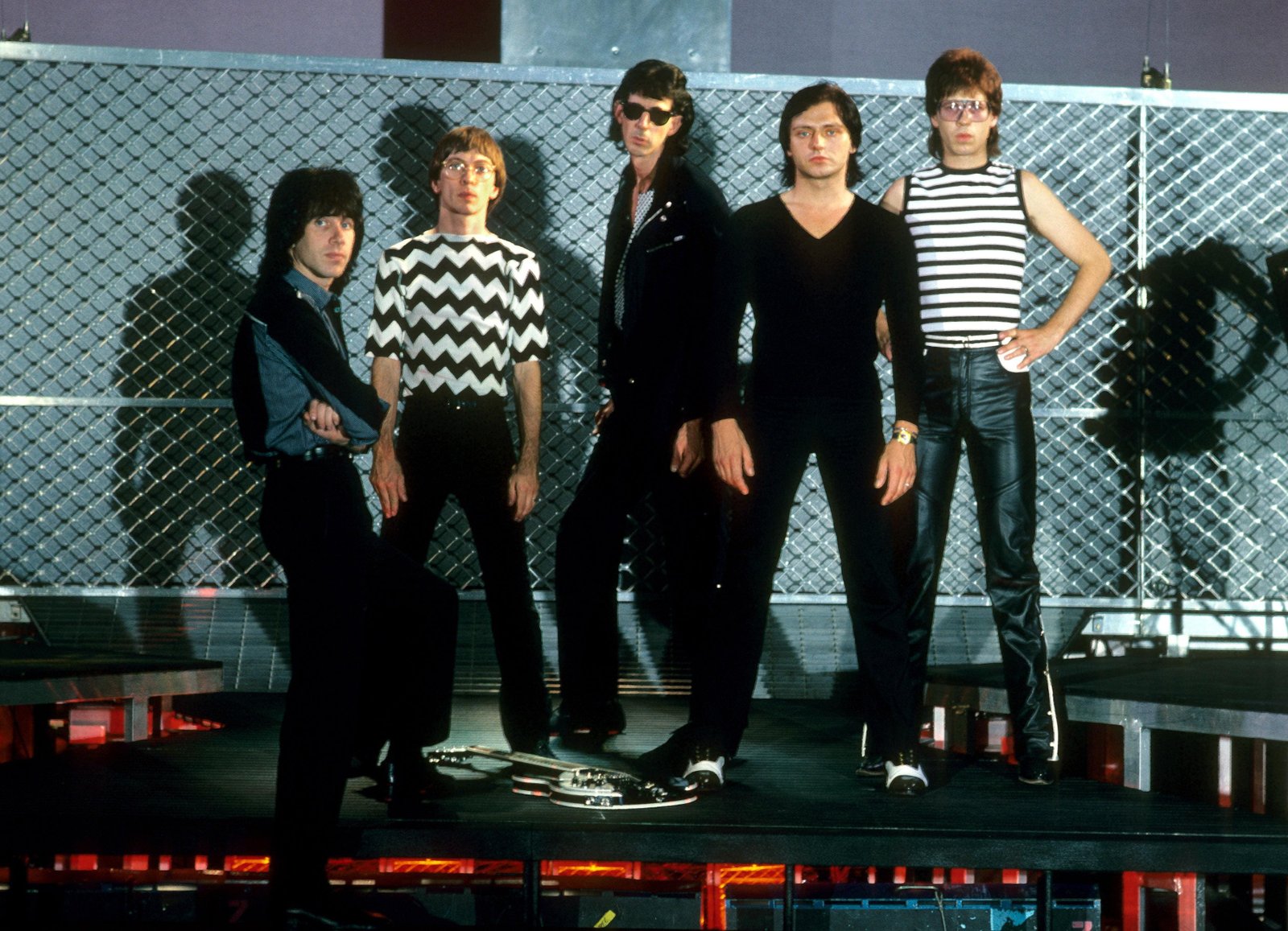
This story challenges myths focused solely on frontman celebrity status by emphasizing that The cars operated fundamentally as five equal contributors forming one cohesive unit rather than revolving around any single personality-a lesson extending beyond music into teamwork principles valued across creative industries today.
“This is truly a story about unity within diversity-a band whose combined talents created something far greater than individual parts,” reflects one observer summarizing this definitive account.”