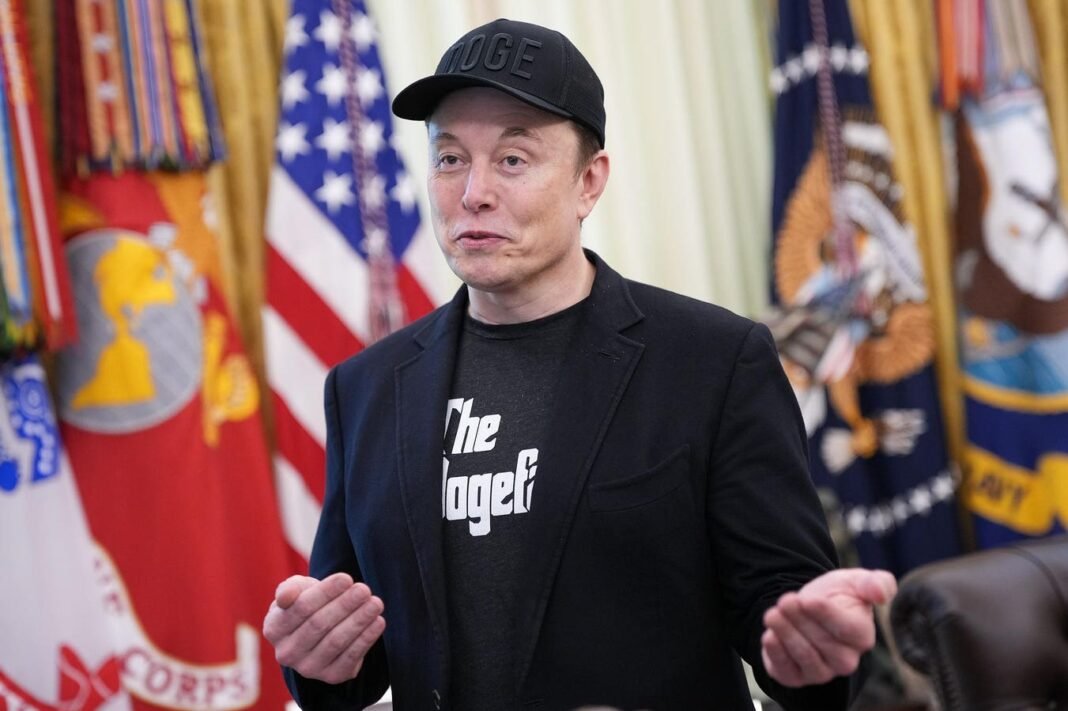
Legal Dispute Surrounding Elon Musk’s Involvement in USAID overhaul
Origins of the Conflict
A legal action initiated by a coalition of current and former employees and contractors of the US Agency for International Development (USAID) accuses Elon Musk, during his leadership at the Department of Government Efficiency (DOGE), of orchestrating a systematic dismantling of USAID. The plaintiffs assert that DOGE unlawfully terminated contracts, downsized personnel, and shuttered agency offices without securing approval from Congress, thereby breaching constitutional principles related to separation of powers.
Justice Department Moves to Prevent Musk’s Testimony
The U.S.Justice Department has formally requested a federal court to block Elon Musk from being deposed in this lawsuit. Alongside Musk, two former USAID officials-Peter Marocco and Jeremy Lewin-are also named for depositions opposed by the government.The department argues that compelling testimony from executive branch members is generally prohibited unless extraordinary circumstances are demonstrated.
In its motion, the Justice department stressed that plaintiffs have not met the burden to prove such remarkable conditions exist and sought issuance of a protective order accordingly.
Musk’s Role as Special Government Employee Under Examination
Elon Musk held the status of a special government employee (SGE) for roughly five months in early 2025 under President Donald Trump’s administration. this classification applies to individuals temporarily engaged with federal agencies-limited to 130 days annually-and subjects them to conflict-of-interest regulations designed to prevent exploitation of public office for private advantage.
The lawsuit raises questions about whether Musk exceeded his authorized scope while serving as an SGE. Critics highlight potential conflicts given SpaceX’s extensive federal contracts valued at billions, casting doubt on impartiality regarding decisions impacting government programs like USAID.
Key Features Defining Special Government Employees
- engagement Period: Temporary service capped at 130 days per year within federal agencies.
- Conflict Restrictions: Prohibited from involvement in matters where personal financial interests could interfere.
- Duties & Compliance: Expected adherence to most full-time employee regulations but subject to lighter oversight due to temporary status.
- Musk’s Appointment End Date: His SGE role concluded on May 30, 2025.
Plaintiffs’ Goals and Legal Allegations
The plaintiffs seek restoration of USAID’s operational capabilities alongside compensation for career disruptions and financial damages they attribute directly to alleged unlawful actions taken by DOGE leadership under Musk’s guidance. they pursue an injunction declaring these measures unconstitutional due to executive overreach absent legislative authorization.
A Modern Example: Private Sector Leaders Influencing Public policy
This case reflects wider concerns about corporate executives temporarily embedded within governmental roles shaping policies affecting their own industries-a phenomenon recently observed when leaders from major technology firms advised regulatory bodies overseeing digital markets or environmental policies with direct implications on their companies globally. As an example, recent appointments in environmental advisory panels raised similar debates over conflicts between industry expertise and public interest safeguards amid climate policy formulation worldwide.
“Navigating between leveraging industry knowledge and protecting public welfare remains one of governance’s most complex dilemmas today.”
The Wider Impact on Clarity and Governance Accountability
This litigation highlights persistent challenges balancing executive power limits against congressional oversight mechanisms designed for accountability. It prompts vital discussions about how much influence transient appointees should exert over established institutions responsible for international development aid-especially critical amid evolving geopolitical landscapes shaped by ongoing global crises such as pandemics and accelerating climate change effects demanding enhanced foreign assistance efforts more than ever before.

Navigating Future Legal Outcomes: Anticipated Court Decisions
The court’s determination regarding whether depositions will proceed is expected to revolve around interpretations balancing executive privilege protections against plaintiffs’ rights seeking transparency into administrative conduct allegedly undermining statutory mandates governing foreign aid operations.
The verdict may establish important precedents clarifying boundaries surrounding special government employee roles intersecting private business interests within sensitive governmental functions during mid-decade reforms across multiple federal agencies nationwide.