Understanding the influence of Billionaires on Global Wealth and Society
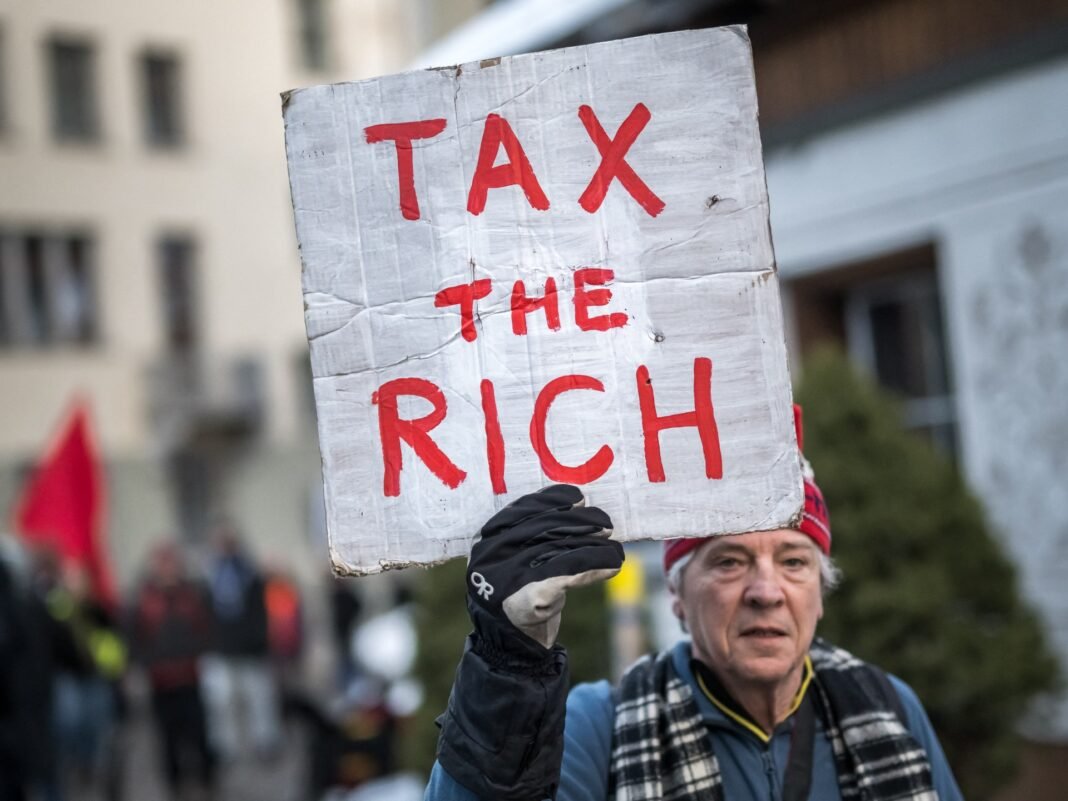
The debate over limiting or abolishing billionaires has gained momentum in many Western nations as wealth disparity reaches unprecedented levels. Today’s extreme concentration of wealth mirrors, and in some cases exceeds, the disparities seen during the peak of western imperial dominance in the early 20th century.
Global Wealth Disparities: A Growing Divide
There are currently more than 3,200 billionaires worldwide whose combined net worth surpasses $17 trillion. Meanwhile, nearly 700 million people endure extreme poverty, surviving on less than $3.20 per day when adjusted for inflation and purchasing power parity according to recent global economic assessments.
If billionaire fortunes were capped at one billion dollars each and their surplus redistributed, it could theoretically eliminate global extreme poverty for almost two centuries based on current United Nations funding estimates. This stark contrast underscores a profound imbalance between immense riches and widespread deprivation.
The Complex Role of Billionaires in Innovation and Economic Growth
Billionaire wealth often represents ownership stakes in companies, intellectual property rights, real estate assets, or other investments rather than cash reserves sitting idle. Their net worth fluctuates with market dynamics-meaning that today’s billionaire could see significant changes tomorrow depending on economic shifts.
This financial motivation drives many to create enterprises that address societal challenges. As an example, private investment from wealthy founders played a crucial role in accelerating mRNA vaccine development during recent health crises-a breakthrough that reshaped modern medicine globally.

A sudden removal of billionaires without systemic support for entrepreneurship risks losing key innovators who contribute significantly to technological progress and infrastructure development.
Reevaluating Wealth Redistribution: Beyond Taxation Alone
Addressing inequality requires more than imposing steep taxes on billionaires; it demands reconsidering where taxes are levied relative to where wealth is generated.Much global prosperity stems from resources extracted from developing regions whose populations rarely benefit equitably from this exploitation.
For example, cities like Antwerp thrive partly due to profits from diamond trading sourced largely from Central African countries where poverty remains entrenched despite abundant natural resources. Effective taxation policies should account for these imbalances rather than focusing solely on residency-based tax systems.
- Inequality has surged sharply since the late 20th century after decades when top marginal tax rates exceeded 90% for ultra-high incomes across many developed economies;
- Austerity measures implemented during economic downturns disproportionately impact lower-income groups while enabling further accumulation among the wealthy;
- Lasting change requires structural reforms targeting financial flows globally-not just temporary redistributive tactics-to dismantle entrenched oligarchic power;
- An illustrative case involves combating diseases like cholera which necessitates both affordable vaccines (around $2 each) and improved sanitation infrastructure-highlighting how redistribution must tackle root causes beyond mere monetary transfers alone.
The Need for Updated Regulatory Systems
The rise of billionaire fortunes largely reflects policy shortcomings that allow unchecked accumulation rather than natural market forces promoting fairness or environmental obligation. Existing antitrust laws date back decades and fail to effectively limit monopolistic behaviors driving today’s excessive concentrations of capital and influence.

A fairer society calls for modern regulations separating corporate power from democratic processes alongside self-reliant taxation frameworks ensuring public services are funded without overrelying on billionaire philanthropy alone.
Billionaire Control Over Media Narratives
The significant ownership stakes held by ultra-wealthy individuals across major media outlets shape public opinion extensively-often aligning coverage with their business interests or political agendas instead of unbiased journalism principles. Elon Musk’s acquisition of influential social media platforms exemplifies how control over details channels can be wielded politically affecting millions worldwide .
A Historical Viewpoint: Can Extreme Wealth Be Reined In?
- The concentration of vast fortunes is neither new nor irreversible; history reveals periods when governments successfully curbed excessive riches through progressive taxation paired with social programs fostering broader prosperity;
- in the early 1900s U.S., interventions dismantled monopolies such as Rockefeller’s Standard Oil empire;
- Dramatic top income tax rates exceeding 90% mid-century enabled investments into education and infrastructure under initiatives like Roosevelt’s New Deal;
- Todays’ clarity movements exposing offshore accounts have reignited debates about effective cross-border taxation targeting super-rich individuals;
- Nations including France now impose levies aimed at centi-millionaires while G20 discussions increasingly emphasize implementing global minimum taxes designed to close loopholes exploited by multinational corporations owned by wealthy elites;
“Efforts toward redistribution help counter divisive narratives blaming immigrants or minorities for resource scarcity-narratives frequently enough amplified through alliances between right-wing factions and affluent interests.”
Toward Equitable Prosperity: Charting a Sustainable Path Forward
Tackling extreme inequality demands coordinated international strategies combining equitable tax policies with robust regulatory oversight tailored to contemporary realities-not outdated frameworks favoring entrenched privilege. While instantly eliminating all billionaires may prove impractical without unintended fallout , reforming systems enabling unchecked wealth accumulation offers hope toward building societies grounded in justice and opportunity accessible regardless of background or class status.