Catastrophic Floods and Landslides Ravage South and Southeast Asia Amid Escalating Climate Threats
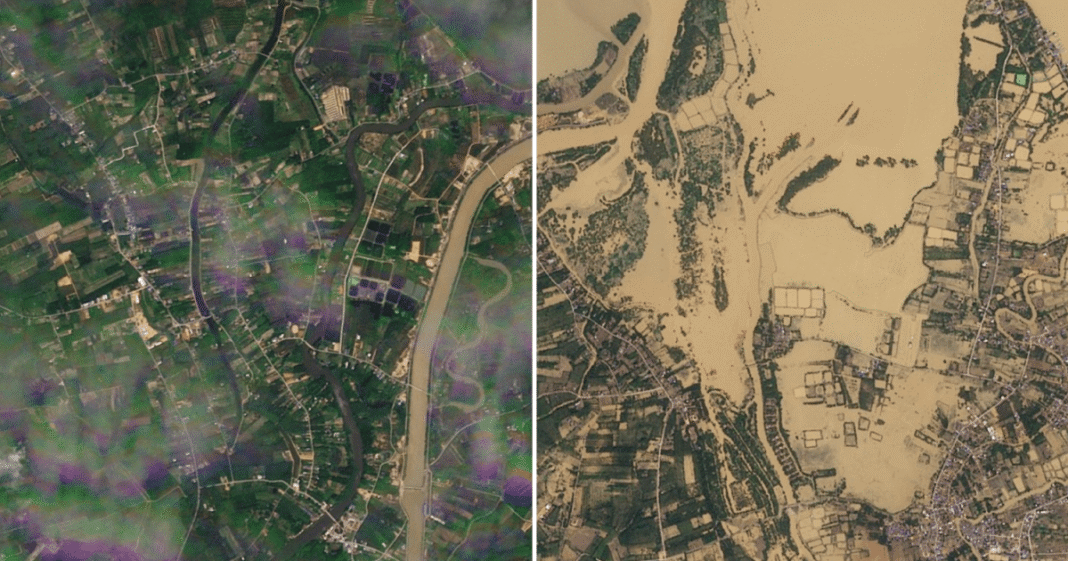
relentless monsoon downpours combined with powerful tropical storms have triggered severe flooding and landslides across vast areas of South and Southeast Asia, causing widespread devastation.
Since late November,nations such as Sri Lanka,Indonesia,Thailand,and Malaysia have been battered by extreme weather events that displaced millions of people while resulting in a tragic loss of life.
The Rising Impact of Climate-Induced Natural Disasters
The intensification of climate change is driving an increase in both the frequency and magnitude of natural disasters throughout the Asian continent. Recent figures indicate that over 2,000 lives have been lost due to floods and landslides in these regions during this period.
Beyond human casualties, entire communities face submerged homes, impassable roads, and extensive damage to forested landscapes critical for ecological balance.
“AsiaS water systems are under unprecedented stress from climate change-putting billions at risk,” highlights recent environmental assessments on regional water security.
Indonesia’s Struggle with Unmatched Flooding Crisis

The provinces of Aceh,North Sumatra,and West Sumatra stand among the worst affected areas. Official disaster management reports confirm nearly one thousand fatalities with hundreds still missing. Injuries surpass five thousand individuals while over one million residents remain displaced from their homes.
- Damage or destruction has impacted more than one hundred fifty-six thousand houses across affected zones.
- Around one million people currently reside in makeshift shelters facing shortages in essential supplies including food and medical care.
- Muzakir Manaf, governor of Aceh province remarked: “The crisis extends beyond flooding; starvation looms due to insufficient aid.”
This calamity has been exacerbated by rampant illegal logging driven by global palm oil demand alongside deforestation linked to mining activities and uncontrolled wildfires-factors that diminish natural flood defenses on Sumatra island.
In response to escalating climate-related emergencies, Indonesia plans a notable investment next year by procuring two hundred helicopters aimed at bolstering both national defense capabilities as well as emergency rescue operations nationwide.
Sri Lanka Grapples with Devastation Following Cyclone Ditwah

Sri Lanka continues its recovery efforts after Cyclone Ditwah-the strongest cyclone recorded on the island this century-triggered catastrophic floods starting November twenty-eighth. the death toll now exceeds six hundred eighteen with more than two hundred individuals reported missing amid ongoing search operations.
The Disaster Management Center reports persistent monsoon rains destabilizing hillsides especially within central mountainous regions along with northwestern midlands where mudslides remain a continuing hazard despite overall receding floodwaters. Refugee camps initially sheltering over two hundred twenty-five thousand displaced persons now house approximately one hundred thousand under government care facilities following gradual relocations.
Thailand Faces Extensive Flooding With Hundreds Dead

The Department of Disaster Prevention & mitigation confirms ongoing flooding affecting fourteen provinces spanning central plains down south into northern territories. Although water levels are gradually decreasing across most impacted locations:
- A minimum death count stands at two hundred seventy-six primarily caused by electrocution or accidents directly related to rising floodwaters;
Northern Malaysia Confronts Severe Flood Impacts

Northern Malaysian states including Perlis experienced intense flooding beginning late November which forced evacuations exceeding twenty-seven thousand residents into numerous temporary shelters spread across eight states nationwide according to national disaster authorities. Tragically two fatalities were reported during these events while relief organizations continue addressing urgent humanitarian needs amid disrupted infrastructure networks caused by prolonged rainfall accumulation especially along Malaysia’s northeast coast where Kelantan remains highly vulnerable following this episode.