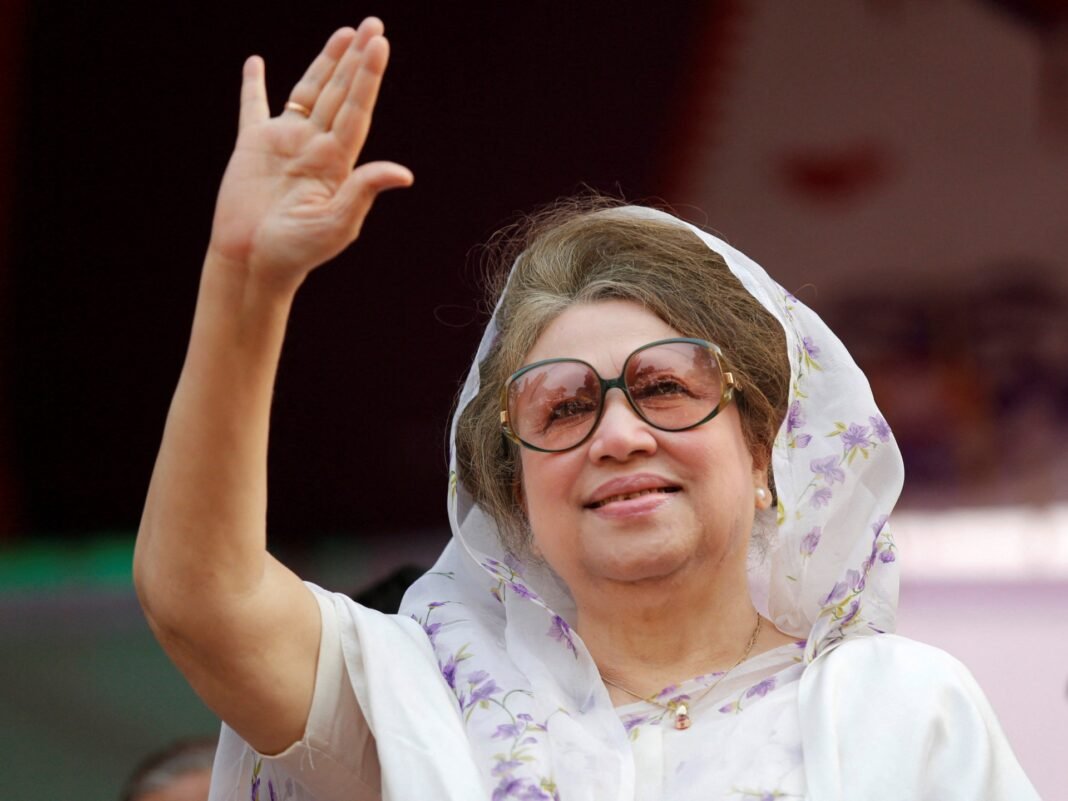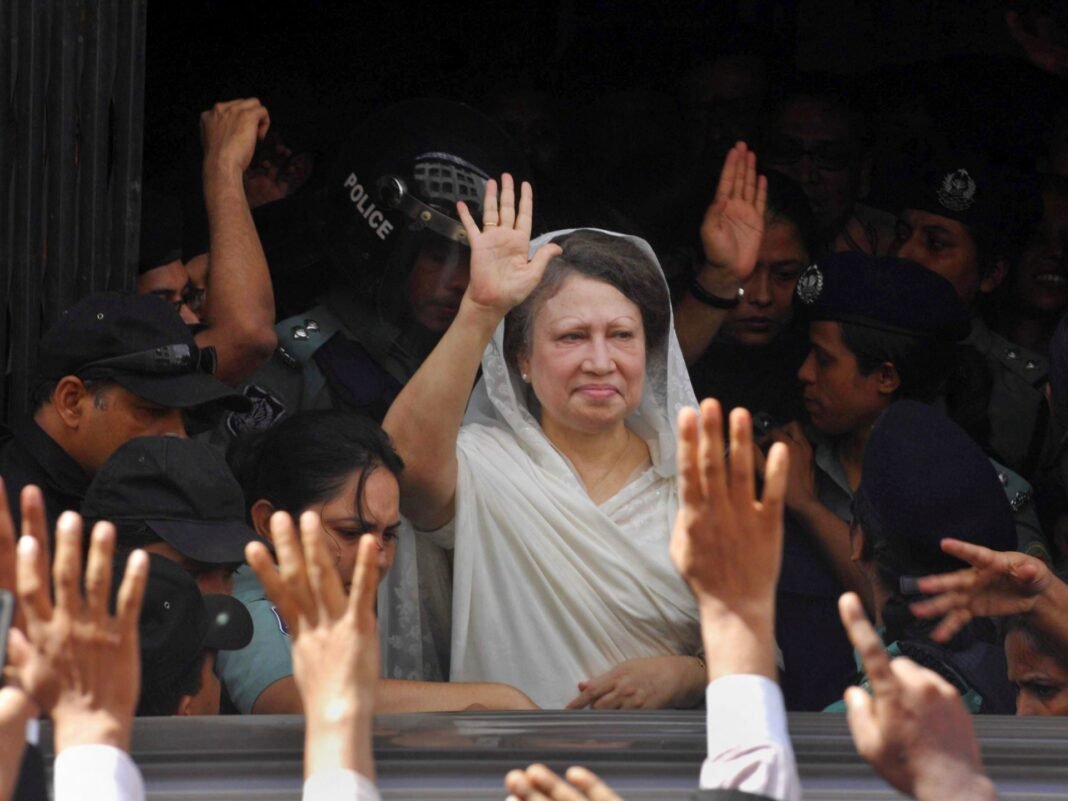
begum Khaleda Zia: A Pivotal Leader in Bangladesh’s political Evolution
Bangladesh, a nation of over 170 million inhabitants, bid farewell to Begum Khaleda Zia in late 2025. Her passing closed a notable chapter in the country’s political narrative, marked by the influence of two powerful female leaders who shaped its governance for more than thirty years.
The Final Moments and Public mourning
During her final days at Evercare Hospital in Dhaka, numerous supporters gathered outside to express their solidarity. Among them was Tipu Sultan, a 48-year-old grassroots activist affiliated with the Bangladesh Nationalist Party (BNP), who poignantly offered to donate his kidney as a symbol of unwavering loyalty. This heartfelt gesture reflected the profound connection she maintained with many citizens.
Despite nationwide hopes for her recovery ahead of the February 12, 2026 elections, khaleda Zia passed away on December 30 at age 80. The BNP declared her death as an immense loss not only to their party but also to Bangladesh’s democratic journey.
A Tale of Two Rival Queens: Khaleda and Hasina
Khaleda Zia’s political life is deeply intertwined with that of Sheikh Hasina-her enduring rival and current leader living in exile following recent political upheavals. Known collectively as the “battling begums,” these women defied traditional gender roles by steering one of South Asia’s most politically volatile nations through decades marked by democratic aspirations and authoritarian challenges.
Their legacies are multifaceted: both advocated for democracy yet faced sharp public scrutiny. While Hasina has been accused of human rights violations during her tenure, Khaleda avoided such allegations but contended with accusations related to corruption and confrontational opposition strategies including election boycotts and mass protests.
A New Era Marked by Female Leadership Across South Asia
Khaleda emerged as Bangladesh’s first elected female prime minister after Ershad’s resignation-a milestone placing her alongside regional pioneers like Indira Gandhi (India), Sirimavo Bandaranaike (Sri Lanka), and Benazir Bhutto (Pakistan).Her three terms from the early ’90s through mid-2000s were defined by intense rivalry with Sheikh Hasina that profoundly influenced national politics.
From Humble Origins to Political Vanguard
Born on August 15, 1946, in Dinajpur-then part of British India-Khaleda came from a family originally rooted in Feni district where her father managed tea plantations before relocating eastward post-partition reshaped South Asia’s borders.
She attended Dinajpur Government Girls’ High School followed by Surendranath College but did not initially engage actively in politics. Fate intervened when her husband President Ziaur Rahman was assassinated during an attempted military coup on May 30, 1981-a tragedy that propelled her into public service.
An Unexpected Rise Amidst National Turmoil
Ziaur Rahman had played a crucial role stabilizing post-independence Bangladesh after years marred by coups; his assassination left both his party-the BNP-and country vulnerable amid growing military dominance under Hussain Muhammad Ershad starting March 1982.
Khaleda joined BNP ranks shortly thereafter as a general member (January ’82) rapidly ascending leadership positions until becoming chairperson by August ’84-a role she held while opposing authoritarian rule during turbulent times ahead.
The Private Woman Behind Public office
Before fully entering politics following her husband’s death-which shocked close associates-Khaleda was known within family circles as soft-spoken yet resilient. Married around age fifteen, she managed household affairs gracefully even amid crises involving children or security threats after multiple assassination attempts against President Rahman.
“She handled everything calmly without raising voice – humble yet strong,” recalled Colonel Harunur Rashid khan who served closely with President Rahman during those years.
Pivotal Political Moves During Authoritarian Rule
- The Boycott Strategy: In response to Ershad’s martial law regime imposing unconstitutional elections in 1986,Khaleda led BNP’s boycott demonstrating principled resistance unwilling to sacrifice democratic values for expediency.
- Navigating Coalitions: Early ’90s negotiations involving Jamaat-e-Islami leaders helped secure parliamentary support enabling government formation despite fragmented mandates – showcasing strategic coalition-building essential for stability after military rule ended (1990).
Economic Progress & Social Initiatives Under Her Leadership
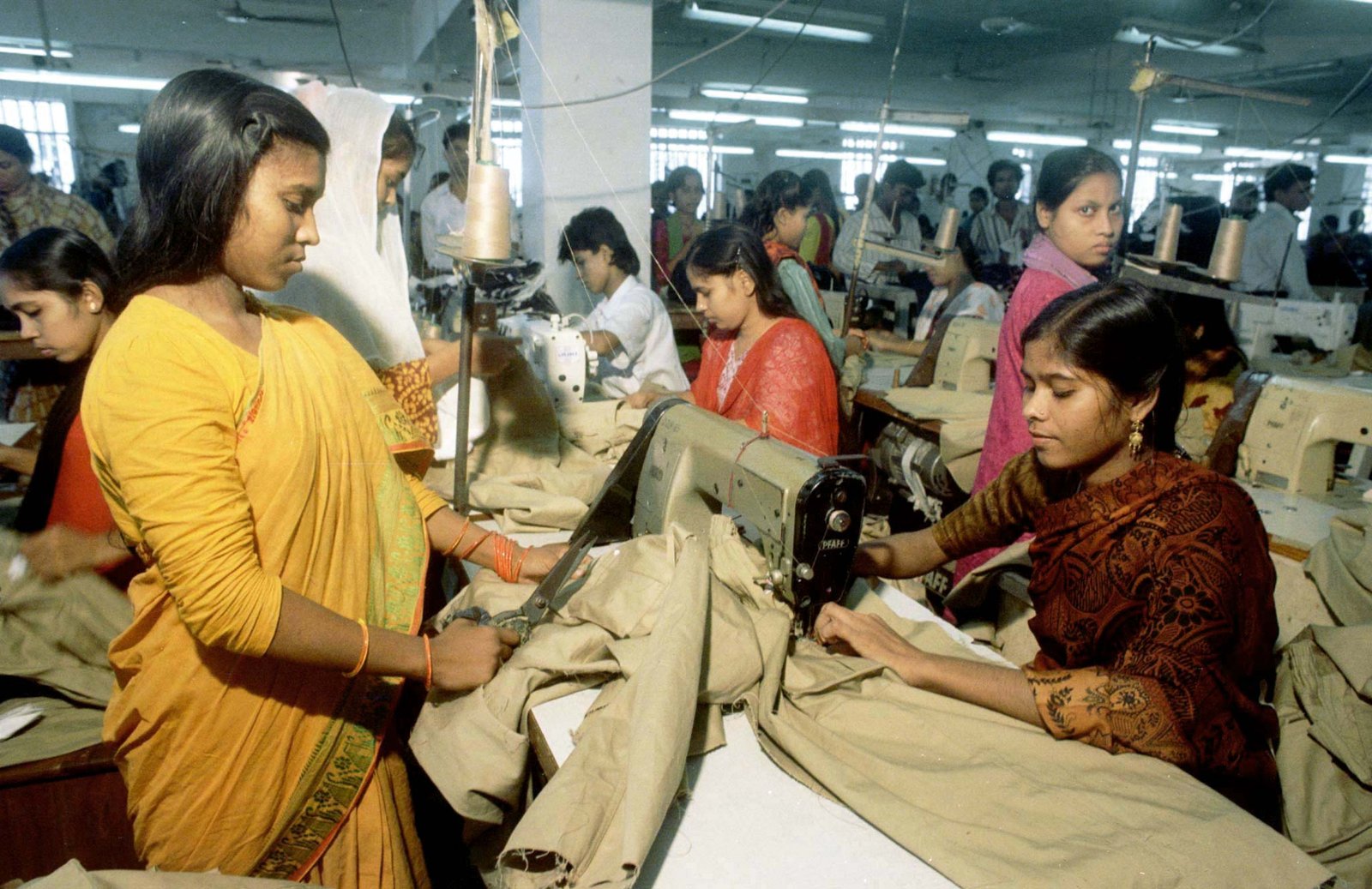
- Spearheaded economic liberalization policies emphasizing export-led growth; textile exports surged past $50 billion annually since mid-1990s;
- Pioneered programs enhancing girls’ education access helping reduce gender disparities;
- Navigated sustained GDP growth averaging nearly seven percent per year-the highest since independence;
- Cultivated comparatively freer press environment fostering greater civic engagement than previous administrations;
Criticisms That Clouded Governance
- Agricultural crises including fertilizer shortages triggered rural unrest sometiems met violently damaging government credibility;
- Tarique Rahman controversy centered on allegations he exercised undue influence via informal power centers dubbed “Hawa bhaban,” fueling corruption claims undermining transparency narratives;
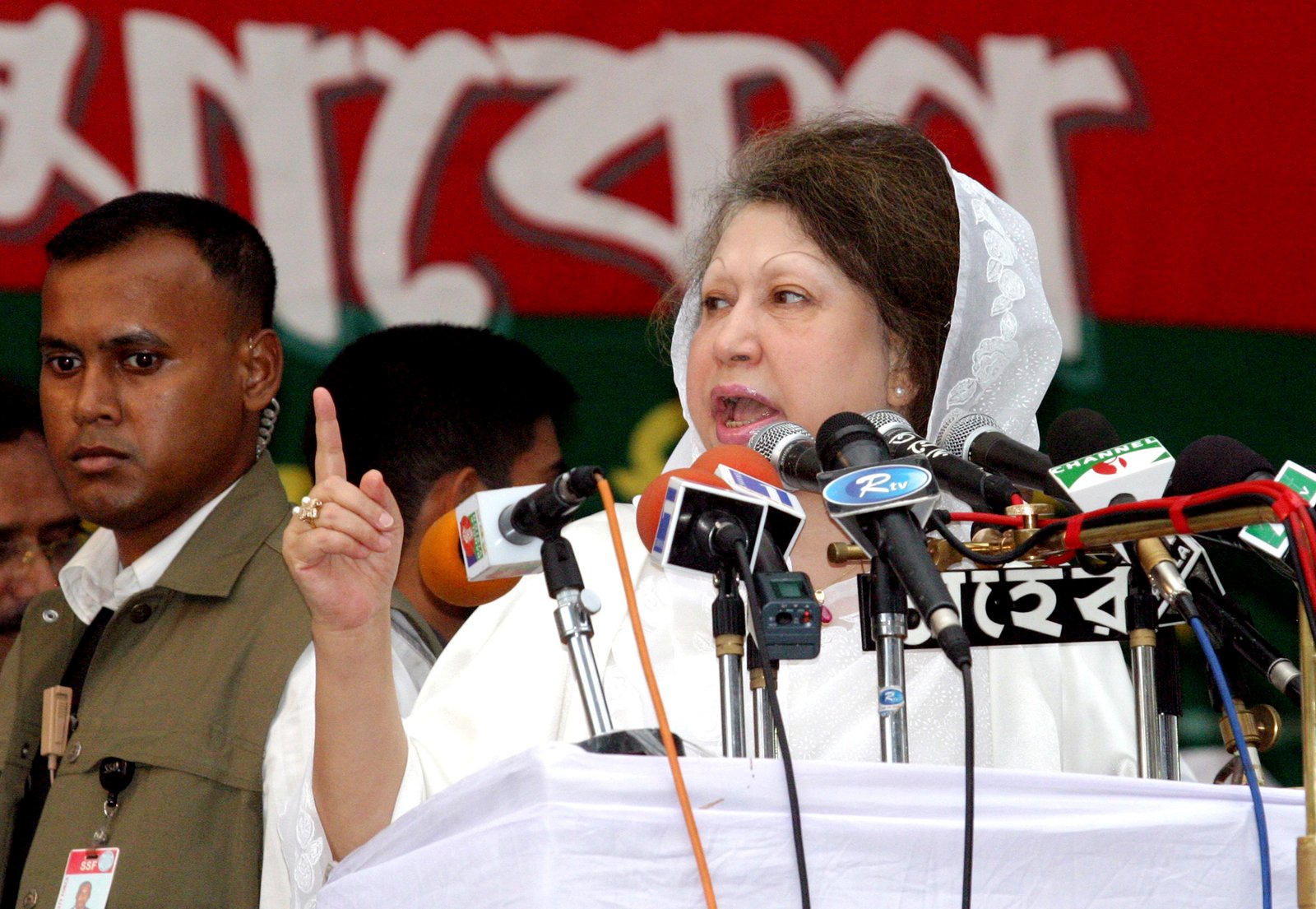
Miscalculations Affecting Political Stability
- Elections marred by alleged manipulation eroded trust among opposition factions;
- Inadequate investigations into violent attacks such as grenade bombings targeting Awami League rallies deepened partisan divides;
- Illegal arms shipments linked indirectly heightened diplomatic tensions notably straining relations with neighboring India;< / li >
< h4 > Military Intervention & Its Consequences
< p > These missteps culminated January11 ,2007 when a military-backed caretaker government assumed control sidelining major parties temporarily . This era witnessed intensified crackdowns , imprisonments ,and exiles affecting key figures including TariqueRahman . Analysts regard this phaseas painfulbut pivotal resetforBangladeshpolitics . < / p >
< figure >< img src =" https://newsfeed24.website/wp-content/uploads/2025/12/localimages/2025-12-25T124237Z_1166516131_RC2MNIAXK4XY_RTRMADP_3_BANGLADESH-ELECTION-BNP -17670672222.jpg "alt =" TariqueRahmangreeting supportersafterreturnfromexileDecember25 "loading =" lazy " >< figcaption > TariqueRahmangreetssupportersinDhakafollowingreturnfromLondonexileDecember25 [Reuters] < / figcaption >< / figure >
< h2 > Unwavering Commitment To Democracy And Party Cohesion
< p > Despite severe pressures including imprisonmentandpolitical persecution,Khaledaremained resolute sustainingherpartyandprinciples.Formercolleagues praisehersteadfastnessduringcriseslikeJanuary11eventsandcontinuedadvocacyforfairelectionsundercaretakergovernments.Shewasalso respectedforrestraintinpublicdiscourseevenwhenfacingharassmentordefamation,sendingmessagesofcalmandunityratherthanretaliation.< / p >
< blockquote >“She chose standing firm over fleeing consequences.This determination sether apart.”< / blockquote >
TariqueRahmansuccessfullyreturnedhomeamidheightenedexpectationstoleadthebnpinapoliticallychargedenvironment.Hefacespressuretonavigateinternalunity,rebuildrelationswithIndia,andprovecapableofcarryingforwardhis mother’slegacy.TheupcomingFebruaryelectionwillserveasthefirstmajortestoftheBNPandhisleadershipsinceKhaledaspassing.< / P>
“TheBNPhasbecomeone-person-centric,butwhetheritcantranscendthisdependsontheabilityoftheyoungergeneration,”saidanalysts.PoliticalscientistsremainoptimisticaboutpartycohesionunderTariquewhohasalreadybegunassertingleadershipfromabroadbeforehisreturn.”Heisreadytotakeupthetorch,”notedformerministersupporter.< / P>