Honoring Khaleda Zia: Bangladesh’s Pioneering Woman Leader
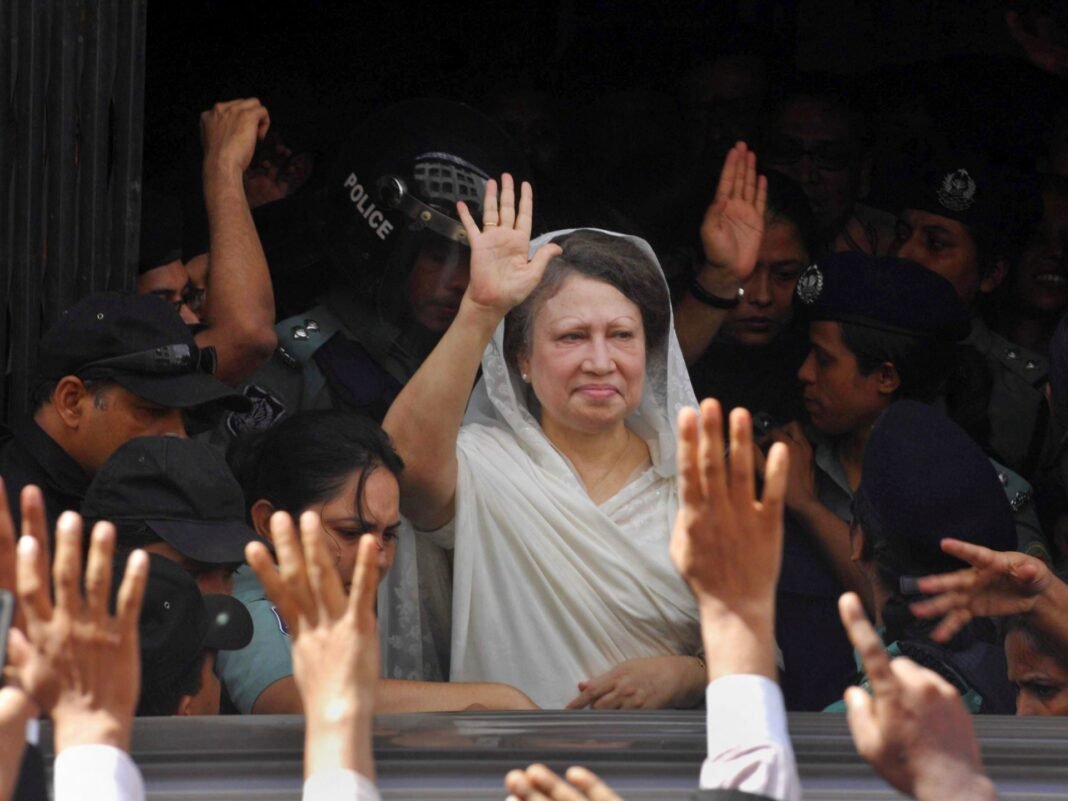
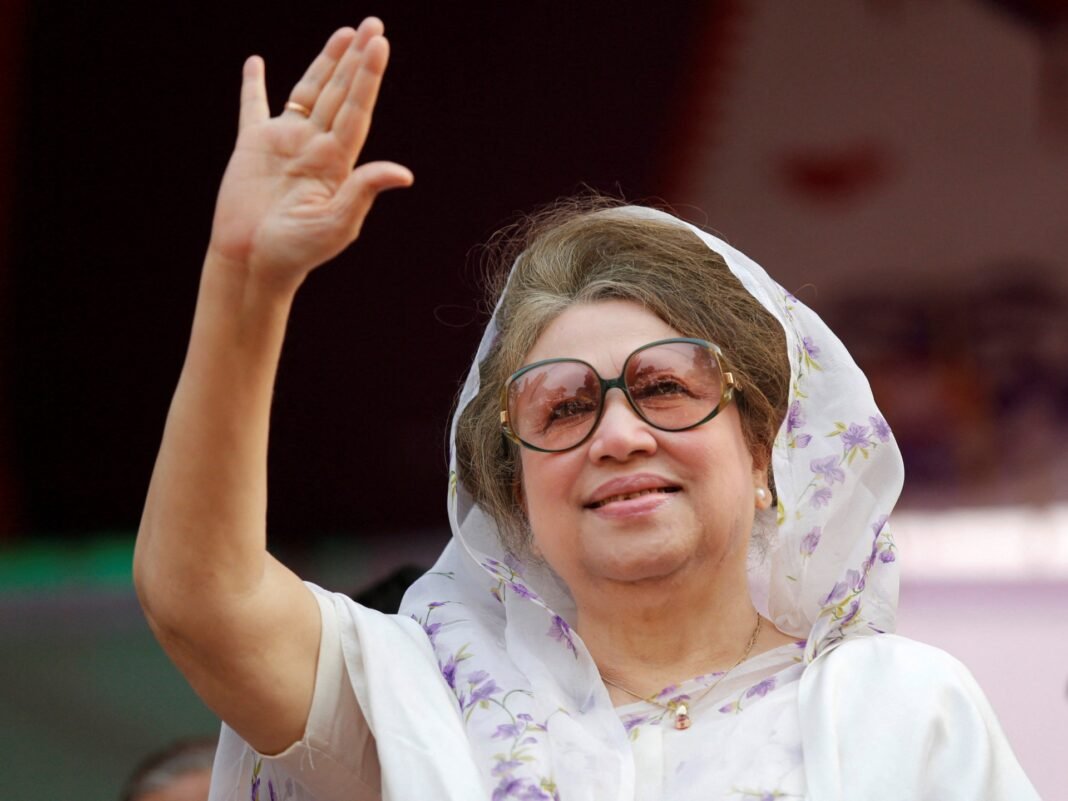
Khaleda Zia, a trailblazer in Bangladesh’s political history and the country’s first female prime minister, has died at the age of 80 after enduring prolonged health complications. Her passing signifies the conclusion of a critically important chapter that influenced the nation’s modern political landscape.
Health Challenges and Final Moments
In her final days, Khaleda was hospitalized at Evercare Hospital in Dhaka, admitted in late November due to severe respiratory infection. Medical assessments disclosed she was battling advanced liver cirrhosis alongside chronic illnesses including diabetes, arthritis, and heart-related conditions.
The path to Politics Sparked by Personal Loss
Born on August 15, 1946, in dinajpur-then part of British India’s East Bengal-Khaleda entered politics not out of ambition but following tragedy. At age 15 she married army officer Ziaur Rahman who later became president after Bangladesh gained independence in 1971. His assassination during an attempted coup in 1981 plunged the nation into turmoil and propelled Khaleda into leadership as head of the Bangladesh Nationalist Party (BNP).
though initially underestimated due to her limited political experience, she quickly established herself as a determined opponent against military ruler Hussain Muhammad Ershad. She formed an alliance with sheikh Hasina-the daughter of independence leader Sheikh Mujibur Rahman-to successfully challenge Ershad’s regime by 1990.
A Historic Rise: Leadership and Reform
The pivotal election of 1991 saw Khaleda achieve a surprising victory over Sheikh Hasina with support from Jamaat-e-Islami voters. This triumph made her only the second woman to lead a democratically elected government within a Muslim-majority country after Pakistan’s Benazir Bhutto.
Her administration transitioned Bangladesh from presidential rule to parliamentary democracy, considerably enhancing prime ministerial authority. She also spearheaded economic reforms by liberalizing foreign investment policies and launched nationwide free compulsory primary education programs-efforts that contributed notably to social progress during her tenure.
The Enduring Political Rivalry That Defined an Era
Khaleda’s career was deeply shaped by her intense rivalry with Sheikh Hasina-a contest often referred to as “the battling begums.” Their fierce competition polarized Bangladeshi politics for decades through electoral boycotts led by BNP supporters, mass protests orchestrated under Khaleda’s leadership, and mutual accusations of corruption.
This bitter rivalry reached its peak in January 2007 when escalating tensions triggered military-backed emergency rule; both leaders were detained for over one year amid widespread unrest across the country.
legal Struggles Amid Political Turmoil
- In 2018, Khaleda along with her son Tarique Rahman faced convictions related to alleged misappropriation involving foreign donations intended for an orphanage trust founded during her premiership-a charge she consistently denied as politically motivated persecution.
- Deteriorating health conditions resulted in house arrest beginning March 2020 while authorities restricted access to overseas medical treatment despite international humanitarian appeals.
- The supreme Court overturned these convictions earlier this year following shifts within Bangladesh’s political environment after Sheikh Hasina stepped down from power late last year.
Tarique Rahman’s Return: Prospects for BNP Leadership
Tarique Rahman ended nearly two decades abroad following his acquittal on charges not only related to corruption but also allegations concerning violent attacks targeting opposition figures including Hasina herself. He is now positioned as BNP’s prospective prime ministerial candidate ahead of elections scheduled for February next year-a advancement signaling potential transformations within Bangladeshi politics moving forward.
Khaleda zia’s Multifaceted Legacy
“A beacon of democratic perseverance,” noted interim leaders reflecting on how closely intertwined she was with Bangladesh’s journey toward democracy despite controversies shadowing parts of her career.
Khaleda remains venerated among supporters who praise her unwavering resistance against authoritarianism yet criticized by opponents highlighting governance shortcomings marked by corruption allegations.
Unlike some contemporaries accused directly of human rights violations during crackdowns on dissenters, Khaleda never faced such charges but remained divisive largely because uncompromising tactics like election boycotts deepened national fractures .
A Nation Reflects on Its Former Prime Minister
The BNP declared seven days mourning upon news of her death while funeral details await confirmation.
Her departure closes one chapter yet invites reflection on three decades dominated politically by two formidable women whose legacies continue influencing Bangladesh today amid evolving challenges ahead-including rising youth engagement where recent surveys show over half under age thirty actively participating or interested in politics for the first time as independence.