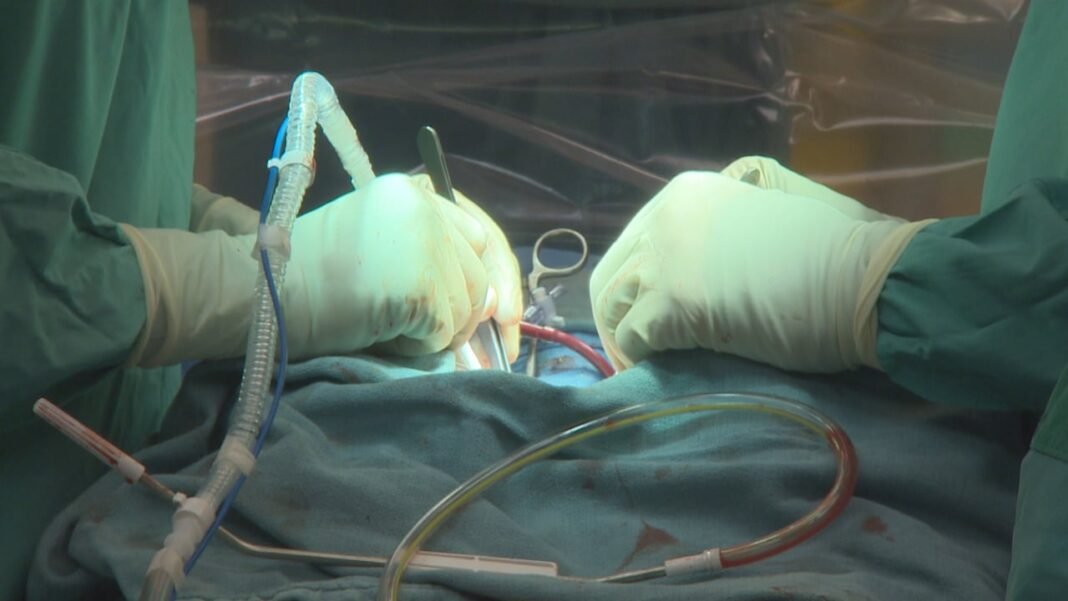
Alberta’s Critical Cardiac and Cancer Surgeries Face Escalating Delays
An increasing number of Albertans are encountering wait times for vital cardiac and cancer surgeries that surpass established clinical guidelines, prompting urgent calls from healthcare experts for swift action.
Growing Surgical Backlogs Despite Record Procedure counts
Even though Alberta has recently hit unprecedented surgical volumes, the queue of patients awaiting essential operations has grown compared to data from two years ago. As of October 2025, only 61 percent of patients underwent surgery within the clinically recommended timeframes, signaling a meaningful decline in timely access to care.
Heart Surgery Wait times Reach Critical Levels
The delay is notably alarming for those needing coronary artery bypass graft (CABG) surgeries. In October 2025, just 11 percent of these life-saving heart procedures where completed within the advised two-week period-a dramatic drop from 60 percent meeting targets in October 2019. Prolonged waits can be fatal; some patients endure several months before receiving necessary interventions.
The Real-Life Impact on Patients
Extended delays not only heighten mortality risks but also intensify patient distress and increase emergency room visits as conditions deteriorate during waiting periods.for instance, a recent case involved a middle-aged woman with severe coronary artery disease who faced a nine-month wait before surgery; during this time she was hospitalized multiple times due to unstable angina episodes.
Cancer Surgery Timeliness declines Across Major Types
The five most common cancer surgeries-bladder, breast, colorectal, lung, and prostate-are experiencing lengthening wait times. While approximately 65 percent were performed within recommended windows in October 2019, by late 2025 this figure fell below half at just over 51 percent.
Lung cancer patients now face median waits nearly double the suggested two-week treatment window. prostate cancer surgeries are even more delayed: only about one-third occur on schedule.
Breast Cancer Surgery Delays Threaten Early Treatment Success
Surgical intervention for invasive breast cancer ideally happens within four weeks post-diagnosis; though recent statistics reveal only around 57 percent meet this benchmark compared to over 80 percent six years earlier. Many women endure waiting periods twice as long or more than recommended.
This postponement risks tumor progression beyond early stages when treatment is most effective. Such as,a patient initially diagnosed with localized breast cancer experienced tumor spread into lymph nodes after months-long surgical delays-complicating prognosis and limiting therapeutic options considerably.
Underlying Factors Driving Surgical Backlogs
- Aging Demographics: Alberta’s expanding senior population increases demand for complex procedures such as oncologic surgeries and joint replacements.
- Shortages in healthcare staff: Persistent deficits among anesthesiologists and specialized nursing personnel restrict operating room availability across public hospitals.
- Surgical Facility resource Allocation: The provincial strategy prioritizes shifting less complex cases like cataract removals or hip replacements into chartered surgical centers rather than expanding overall capacity-redistributing existing resources without increasing throughput for urgent cardiac or cancer cases.
The Role of Chartered Surgical Centers in Access Challenges
This resource redistribution has sparked concern among health professionals who warn it may inadvertently reduce operating room availability dedicated to high-priority cardiac and oncology surgeries at public hospitals. Private centers efficiently handle routine procedures but do not add new surgeons or anesthesiologists-they simply relocate staff already stretched thin across hospital teams-perhaps worsening critical surgery wait times where they matter most urgently.
“Immediate measures are essential given how life-threatening these delays have become.”
Select Procedures Show Some Progress amid overall Struggles
Cataract surgery wait times have improved modestly-with about two-thirds receiving care within target windows by late 2025-and hip replacement timelines show slight gains despite rising demand fueled by an aging population projected to exceed three-quarters million seniors by mid-decade in Alberta alone.
Acknowledgment From Health Authorities Amid Persistent Obstacles
The provincial government acknowledges the pressing issue posed by extended surgical waits especially concerning oncology treatments amid demographic pressures combined with fluctuating operational capacities throughout seasonal cycles.
- If current trends persist upward from last year’s record near 319,000 operations , fiscal year 2025-26 could see an unprecedented total exceeding 321,000 surgeries .
- Cancer-related interventions aim for an eight-percent annual increase targeting roughly 25,470 procedures .
- A combined investment exceeding $640 million supports initiatives including upgrading operating rooms alongside leveraging chartered facilities primarily intended for lower-complexity cases so hospitals can better prioritize urgent ones without replacing core services entirely.
The Need For Focused Investment And Transparent Planning
Cautious voices stress that funding must concentrate explicitly on boosting staffing levels dedicated to critical cardiac/cancer programs along with reopening dormant ORs rather than merely redistributing workloads between sectors.
“Without targeted investments precisely addressing bottlenecks,” a former senior program officer cautioned,“patient outcomes risk further decline.”