Analyzing Cuba-US Relations: Dialog Amid Escalating Challenges
The Cuban government has shown openness to constructive engagement with the United States, while firmly upholding that key issues-such as its socialist constitution and political system-remain off-limits for negotiation.
Current Communication Status Between Havana and washington
although some diplomatic exchanges continue between Cuba and the US, these have yet to evolve into formal negotiations. Carlos Fernandez de Cossio,Cuba’s deputy foreign minister,confirmed that communication channels are active but stressed that no official dialogue process has been established.
“We maintain embassy-level contacts and message exchanges,” de Cossio noted, “but this does not amount to a structured or formal dialogue.” He added that if circumstances become favorable, such discussions coudl eventually lead to official talks.
Cuba’s Firm Stance on Sovereignty and Governance
The Cuban leadership remains resolute in defending its political framework. De Cossio highlighted that any conversation excluding attempts to modify the nation’s constitution or dismantle its socialist economic model is unacceptable. These principles are regarded as essential components of Cuba’s sovereignty and national identity.
US Policy Shifts Amid Heightened Diplomatic Pressure
Recently, former US President Donald Trump signaled potential progress toward engaging senior Cuban officials in talks. Speaking from his Florida residence at Mar-a-Lago, he expressed cautious optimism about reaching an agreement with havana despite rising tensions linked to US actions against Venezuela-a close ally of Cuba.
Economic Pressures Intensify Through Energy Restrictions
The United States has escalated efforts aimed at curbing oil supplies destined for Cuba by targeting major providers like Mexico and Venezuela. This approach seeks to deepen fuel shortages on the island but risks worsening humanitarian conditions affecting millions of Cubans.
- Mexico’s Position: As one of Cuba’s primary oil suppliers, Mexico faces increasing pressure from Washington including threats of tariffs if shipments continue. Despite this coercion, Mexican officials have publicly pledged to sustain oil deliveries citing humanitarian concerns while carefully managing potential fallout from US policies.
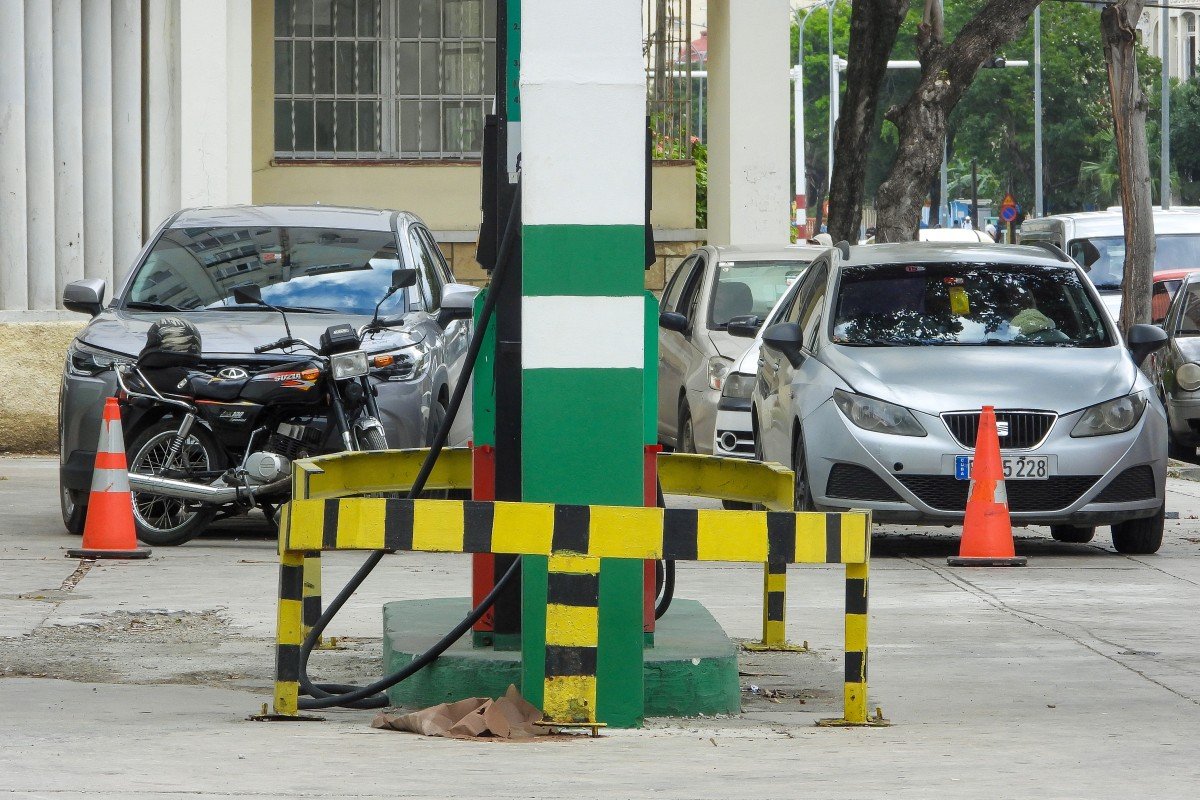
- Consequences for Daily Life: The blockade has triggered sharp increases in prices for vital goods such as food and transportation fuel. Frequent power outages lasting several hours daily have become commonplace even within Havana due to shrinking energy reserves.
“The attempt by the United States to compel every country into halting fuel exports is unsustainable over time,” de cossio remarked when discussing the long-term effects of these sanctions.
A Ancient Outlook: Longstanding sanctions meet New Obstacles
Cuba continues grappling with decades-long economic sanctions imposed by successive American administrations. Recent intensifications under Trump-including labeling Cuba an “unusual and extraordinary threat”-have exacerbated hardships amid an already fragile economy facing inflation rates surpassing 22% annually according to recent Caribbean economic analyses conducted in early 2026.