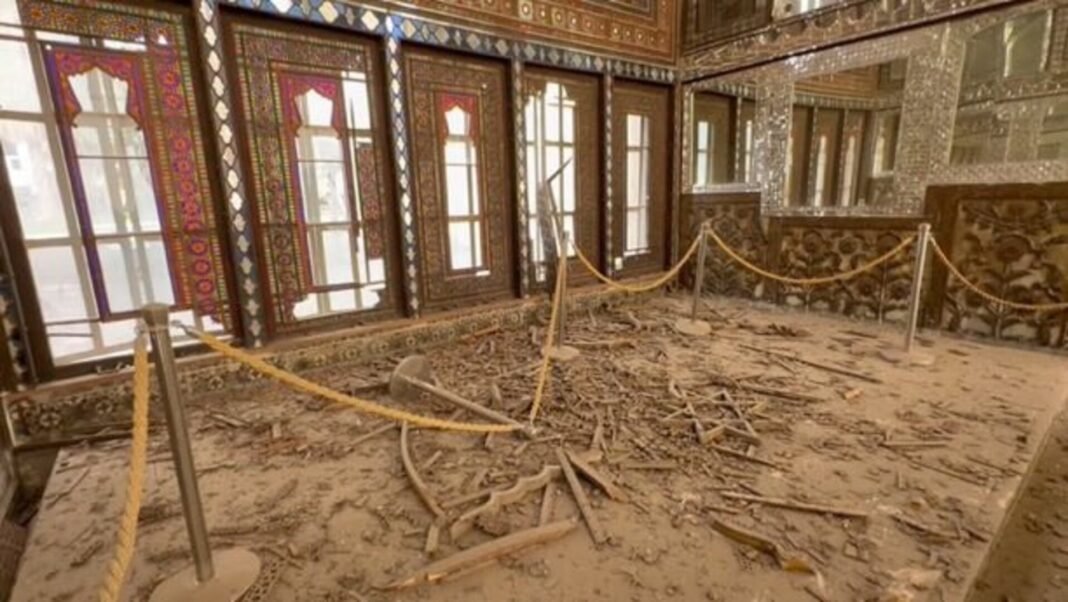
Significant damage to Golestan Palace amid Escalating Middle East Conflict
The historic Golestan Palace in Tehran, a UNESCO World heritage site celebrated for its exquisite Qajar-era architecture and cultural importance, has recently sustained considerable damage due to military operations involving US and israeli forces targeting Iran. This treasured landmark now confronts urgent challenges related to restoration and preservation.
Heightened Risks to Cultural Sites in War-Torn Regions
With the escalation of conflicts across the Middle East, global institutions have raised alarms about the increasing threats faced by irreplaceable cultural monuments. UNESCO has underscored that ongoing hostilities place these heritage sites at grave risk of permanent destruction or degradation during armed clashes.
Widespread Threats to Regional Ancient Monuments
The damage inflicted on Golestan Palace is part of a broader pattern affecting numerous ancient landmarks throughout the region. For instance, since 2020, several archaeological treasures in Yemen and Libya have been damaged or looted amid persistent unrest. These events highlight a disturbing trend where war zones become epicenters for cultural loss.
Strategies for Protecting Heritage Amid Contemporary Conflicts
The recent harm suffered by Golestan Palace starkly illustrates how modern warfare jeopardizes centuries-old historical legacies. Safeguarding such sites demands swift international collaboration alongside specialized emergency protocols designed explicitly for heritage conservation during crises. Experts recommend implementing advanced surveillance technologies and rapid response frameworks to mitigate further deterioration.