Asian Financial Markets Respond to Middle East Tensions and U.S. Naval Interventions
Asian equities initially showed gains but eventually retreated on Thursday as geopolitical tensions escalated following the U.S. interception of several Iranian-flagged oil tankers in key maritime corridors near Asia.This incident heightened investor anxiety about prolonged instability in the Middle east, causing uneven market reactions across the region.
U.S. Naval Actions Amid Heightened Regional Conflict
The United states military reportedly redirected at least three Iranian oil tankers away from strategic waters adjacent to India, Malaysia, and Sri Lanka, according to maritime security sources. This operation came shortly after iran announced it had seized two container ships passing through the Strait of Hormuz-a vital artery for global energy transportation.
In light of these developments,a temporary ceasefire was extended by U.S. leadership, citing internal divisions within Iran’s goverment as a reason to delay further military engagement while awaiting cohesive proposals from Tehran’s officials.
Diplomatic Stalemate and ceasefire Continuation
The ceasefire remains effective untill Iran submits a formal peace proposal or negotiations conclude; however, Tehran has expressed skepticism toward talks with Washington, dismissing them as unproductive. Consequently, Vice President JD Vance postponed his attendance at scheduled peace discussions amid this diplomatic impasse.
Rising Energy Costs Triggered by Supply Chain Uncertainty
Oil prices reacted promptly: West texas Intermediate (WTI) futures climbed 1.33% to $94.20 per barrel early Thursday morning ET while Brent crude increased 1.21% reaching $103.50 per barrel as traders factored in potential disruptions caused by ongoing regional unrest affecting supply routes.
Diverse Market Trends Across Asia-Pacific Economies
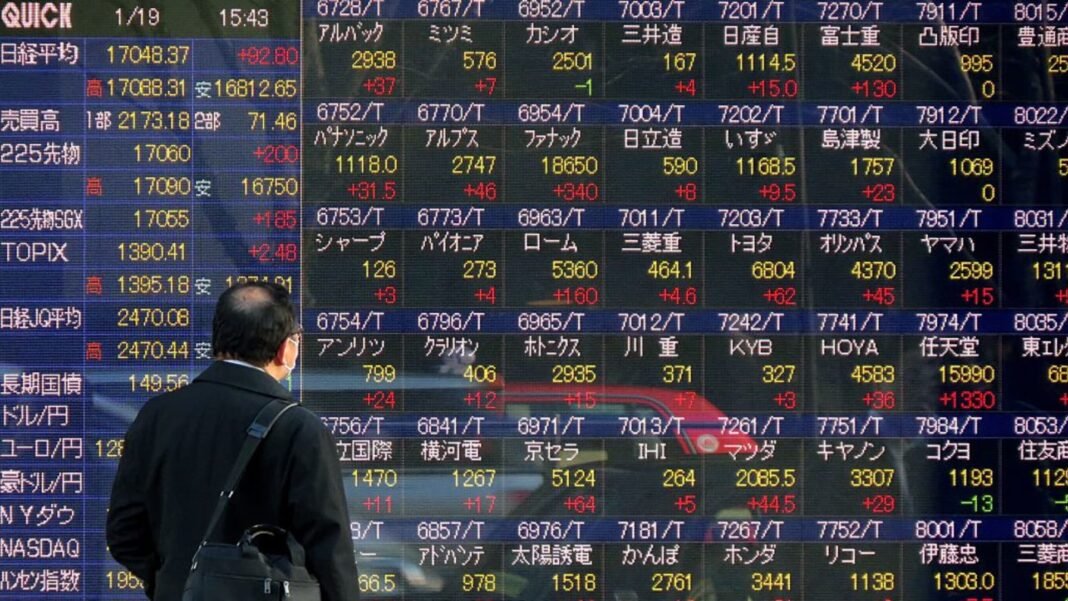
- Japan: the Nikkei 225 index ended down 0.75% at 59,140 points after briefly surpassing an intraday record above 60,000-the highest level since its inception over forty years ago.
- Korea: South Korea’s Kospi surged nearly 0.9%, hitting an intraday peak above 6,530 points before closing around 6,475 amid strong economic data showing quarterly GDP growth of approximately 1.7%, considerably outperforming expectations compared with last quarter’s contraction.
- Southeast Asia & Australia: Australia’s S&P/ASX200 experienced volatility throughout trading before settling down roughly half a percent near 8,793 points; meanwhile mainland China’s CSI300 dipped about one-quarter percent alongside Hong Kong’s Hang Seng Index which declined close to one percent late session.
- India:The Nifty50 index slipped modestly by approximately two-thirds of one percent during early trading hours reflecting cautious sentiment among investors facing global uncertainties.
Main Drivers Behind Market fluctuations
A significant factor supporting Japan’s manufacturing sector was April’s S&P Global Purchasing Managers’ Index (PMI),which recorded its fastest expansion since mid-2019 due largely to companies increasing output amid concerns over supply chain disruptions linked directly to Middle Eastern instability impacting raw material availability worldwide.
Tec Industry Spotlight: Softbank and Samsung Outperform Despite Challenges
- Softbank Group Corp: Shares rose nearly four percent following news that Softbank secured additional funding through a $10 billion margin loan collateralized against its openai equity holdings-demonstrating continued aggressive investment into artificial intelligence despite broader market uncertainty.
- Samsung Electronics: The tech giant saw shares climb more than three percent after reaching new intraday highs near ₩227K per share ahead of anticipated labor union demonstrations involving tens of thousands expected next month.
S&P Futures Dip Slightly While Major U.S Indices Maintain Momentum From Prior Session
S&P500 futures edged down marginally by about one-tenth of a percent early Thursday whereas Nasdaq100 futures remained mostly flat; Dow Jones Industrial Average futures fell roughly four-tenths percentage point (around -173 points) ahead of market open following strong gains Wednesday when all three major indexes posted solid advances: S&P500 rose over one percent closing above seven thousand-one hundred thirty-seven points; Nasdaq gained more than one-and-a-half-percent hitting fresh record highs intraday before settling near twenty-four thousand six hundred fifty-eight points; Dow Jones added almost seven-tenths percentage point ending just below fifty thousand five hundred overall-reflecting sustained investor optimism despite overnight geopolitical pressures impacting Asian markets.
“Global financial markets continue navigating complex interactions between geopolitical risks and corporate earnings reports,” noted an industry analyst tracking cross-border capital flows heavily influenced this week by escalating tensions surrounding Iran.”
The wider Impact on International Investors and Markets
This series of events underscores how fragile international relations can swiftly influence financial markets-from surging energy prices triggered by tanker seizures threatening critical supply chains-to varied equity performances shaped both by local economic fundamentals and external shocks tied directly or indirectly back into regional conflicts unfolding across parts of Asia-Pacific today.