cloud Leaders Sustain Access to Anthropic AI Despite Pentagon Supply Chain Restrictions
How Top Cloud Providers Are Responding to Defense Department’s Risk Classification
After the U.S. Department of Defense labeled Anthropic as a supply chain risk,prominent cloud platforms have clarified their commitment to continue offering Anthropic’s AI solutions. Google and Microsoft both confirmed they will maintain access to Anthropic’s technology for commercial users, explicitly excluding any defense-related applications.
Google’s Continued Support for Non-Defense AI Initiatives
Despite the Pentagon’s designation, Google reaffirmed its ongoing collaboration with Anthropic on projects outside military use. The Claude AI models remain accessible through Google Cloud’s Vertex AI platform. This partnership is underpinned by Google’s important investment in Anthropic, totaling $3 billion following a recent $1 billion infusion earlier this year.
Anthropic benefits from Google Cloud’s cutting-edge infrastructure, including access to over one million custom tensor processing units (TPUs), which dramatically speeds up the training process of advanced AI models. This integration underscores Google’s strategic role in advancing innovative artificial intelligence beyond defense sectors.
Microsoft and Amazon Uphold non-Defense Usage Policies
Microsoft was quick to announce that it would continue providing access to Anthropic products accept for any Department of Defense contracts. After thorough legal review of the supply chain risk label, Microsoft confirmed that services like Claude remain available for all customers outside government defense agencies.
AWS (Amazon Web Services), holding more than 40% of the global public cloud market share as of mid-2024, echoed this stance by affirming continued support for Anthropic technologies while excluding involvement in U.S. defense agreements.
The Broader Industry Impact from Governmental Security Measures
The Pentagon’s classification stems from growing concerns about integrating third-party or foreign technologies into sensitive defense systems amid escalating geopolitical tensions and cyber threats worldwide.
This directive has led some defense contractors to instruct personnel to cease using Claude models developed by Anthropic and instead pivot toward alternatives such as OpenAI’s GPT-based platforms or proprietary solutions designed specifically for secure environments.
“We recognize that this designation does not hinder our collaboration on non-defense projects,” stated a Google representative regarding their ongoing work with Anthropic outside military contexts.
The Legal Contest Surrounding Supply Chain Risk Designation
Dario Amodei, CEO of Anthropic, announced intentions to legally challenge the DoD’s supply chain risk classification after rejecting terms proposed last week. The company argues that this label unjustly limits its ability to serve government clients while negatively affecting its global business operations.
The Role of Advanced AI Amid Recent Geopolitical Conflicts
Despite federal restrictions, reports reveal that U.S. forces employed AI models developed by Anthropic during recent operations involving Iran-demonstrating how deeply integrated sophisticated artificial intelligence has become within modern military strategies despite regulatory hurdles.
Navigating Innovation While Addressing Security Challenges: What Lies Ahead?
- Cloud providers: Strive to drive innovation through partnerships but must carefully manage complex regulations tied to national security concerns.
- Defense industry: Increasingly cautious about third-party software risks; shifting focus toward vetted or internally developed platforms where feasible.
- Anthropic: Faces significant obstacles but remains dedicated to expanding beyond restricted government contracts via legal challenges and commercial collaborations alike.
A New Era in Enterprise Artificial Intelligence Under Regulatory Scrutiny
This scenario highlights broader tensions between rapid advancements in artificial intelligence technology and governmental efforts aimed at protecting critical infrastructure from vulnerabilities introduced through external suppliers-a challenge expected onyl intensify as reliance on cloud-based generative AI surges globally (with IDC projecting enterprise spending on generative AI will surpass $500 billion worldwide by 2027).
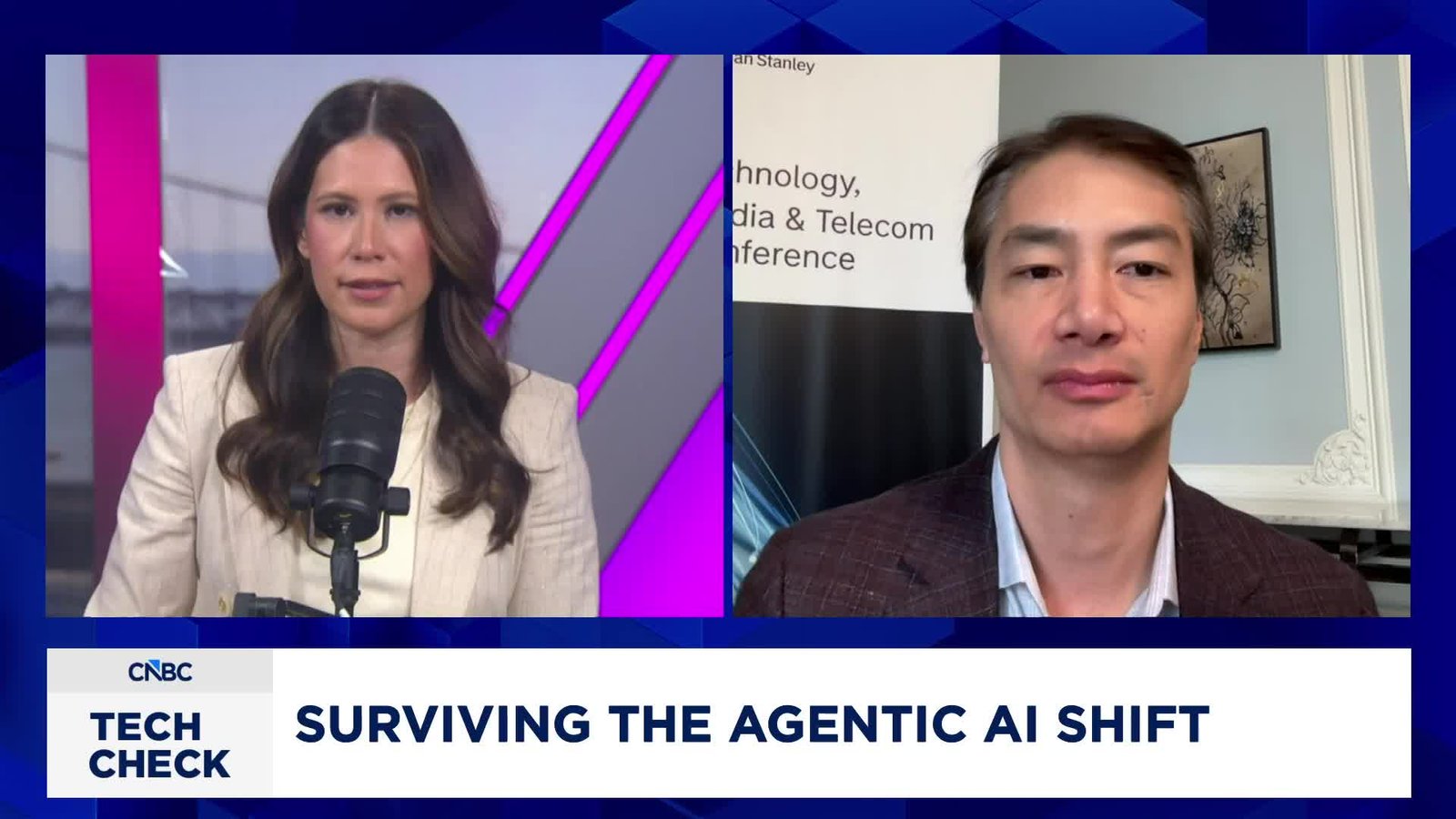
Morgan Stanley analyst David Chen emphasizes how transformations driven by artificial intelligence are reshaping wall Street strategies while keeping investors alert amid evolving technological landscapes worldwide.