Legal Controversies Surrounding KalshiS Prediction Market Platform
Arizona’s Criminal Allegations Against Kalshi
The Arizona Attorney General has filed misdemeanor charges against Kalshi, accusing the prediction market platform of operating unauthorized gambling and election betting within the state. This represents the first criminal prosecution faced by Kalshi amid a growing wave of lawsuits and regulatory challenges across multiple states.
Disputes Over Jurisdiction in Regulating prediction Markets
Platforms like Kalshi allow users to wager on diverse outcomes,including political events,sports results,and cultural happenings. Due to their wagering structure, these platforms are often likened to online sports betting. However,several states argue that oversight of such activities shoudl fall under their own gambling regulations rather than federal jurisdiction by the commodity Futures Trading Commission (CFTC),which currently governs event contracts and prediction markets at a national level.
Civil Litigation Efforts Across Various States
States such as Michigan and Massachusetts have initiated civil suits aimed at either halting Kalshi’s operations or enforcing compliance with local gambling licensing laws. In Arizona specifically,Attorney General Kris Mayes charged the company with 20 counts related to accepting bets without proper authorization-including illegal wagers on state elections explicitly banned under Arizona law.
Kalshi’s Legal Defense and Strategic Responses
Kalshi asserts that its event contracts differ fundamentally from traditional sportsbook bets. The company contends that states are overstepping by trying to regulate what it views as federally governed financial exchanges. responding to accusations from Arizona officials, Kalshi stated that some states rely on “weak legal arguments” in their attempts to restrict its business.
The firm has actively pursued preliminary injunctions in multiple jurisdictions-most recently in Arizona-to block enforcement of state laws targeting its operations. Nevertheless, federal judge Michael Liburdi denied a temporary restraining order request while demanding further justification for federal court jurisdiction over these state-level charges.
A Proactive Legal Tactic: Preemptive Lawsuits Against States
Kalshi has adopted an assertive approach by filing lawsuits against states before those jurisdictions can impose punitive measures-a tactic described by legal experts as “racing” cases into federal courts first in hopes of favorable rulings or delays. Gaming attorney Daniel Wallach notes this strategy produces mixed outcomes but remains central for how prediction market companies defend themselves legally.
Court Decisions Affirm State Authority Over Gambling Regulation
A recent ruling from a federal judge in Ohio rejected kalshi’s attempt for an injunction blocking state enforcement actions there. The decision underscored Ohio’s legitimate interest in exercising police powers related to public welfare through regulation of sports betting-highlighting ongoing conflicts between state sovereignty and federally regulated markets like those operated by Kalshi.
The Changing Regulatory Environment: CFTC Oversight & Legislative Initiatives
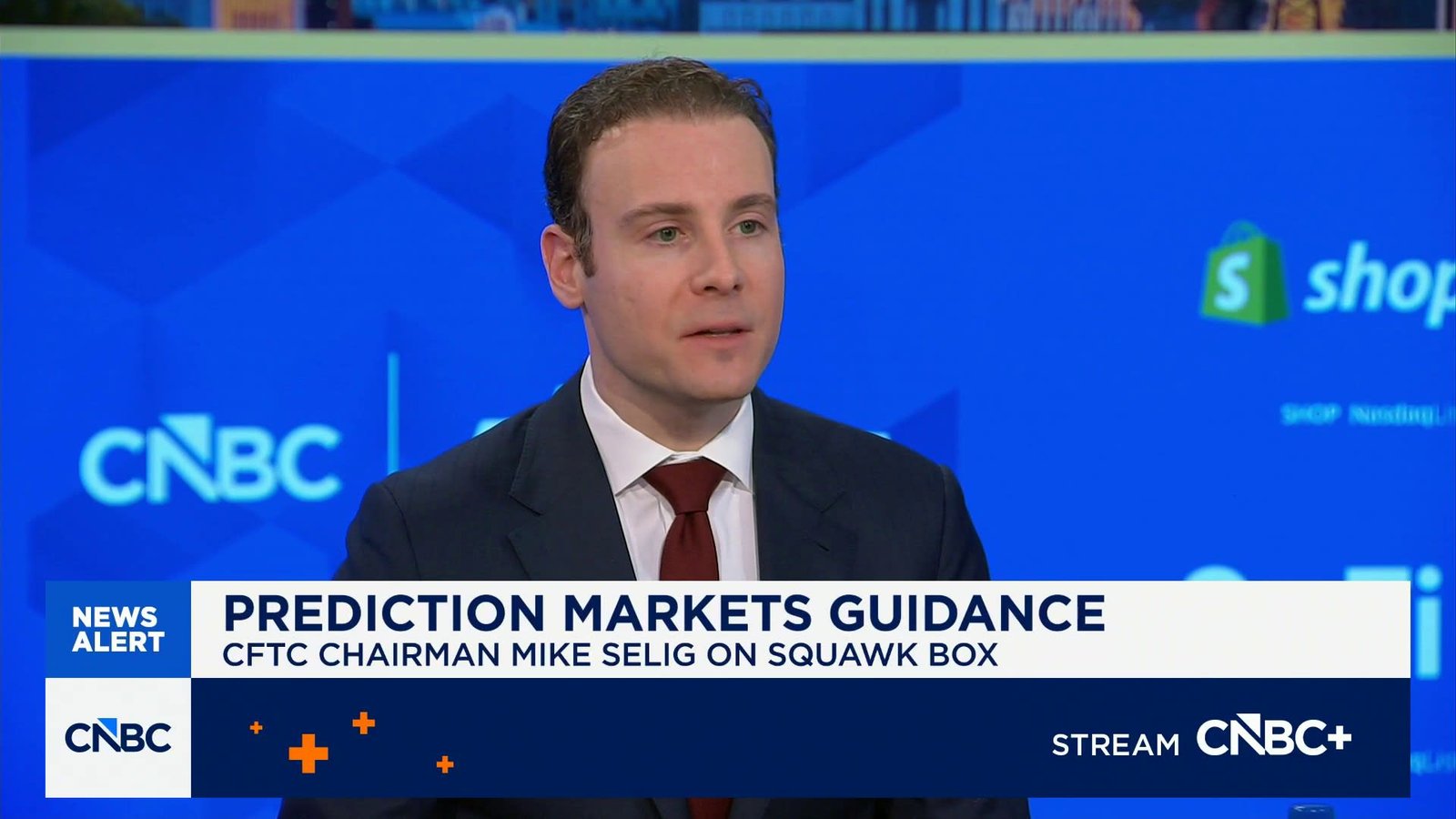
The CFTC Chair has announced intentions for enhanced oversight concerning event contracts vulnerable to manipulation or insider trading risks-as an example, contracts tied to athlete injuries or other sensitive occurrences-moving beyond current self-certification processes used by platforms such as Kalshi.
Bipartisan Congressional Measures Target Sports & Election Prediction Markets
A bipartisan bill introduced recently aims at imposing strict limitations on event contracts related specifically to sports unless explicitly authorized at the state level; it also proposes banning election-related prediction markets entirely-reflecting mounting legislative concerns about potential effects on democratic integrity and market fairness.
Skepticism Among Public Toward Prediction Markets as Forms of Gambling
An Ipsos survey combined with research from the American Institute reveals that 61% of Americans view participation in these types of event contract markets more similarly to gambling than investing-a perception influencing both regulatory discussions and consumer attitudes toward emerging financial products linked closely with real-world events.