Americans’ complex Relationship wiht AI: Adoption Amidst Widespread Skepticism
Artificial intelligence has increasingly woven itself into the fabric of daily life for many Americans, aiding in activities such as academic research, content creation, workplace problem-solving, and data analysis. Despite this growing dependence on AI tools, a notable segment of the population remains wary about their trustworthiness and broader societal effects.
The Paradox of High usage but low Confidence
Recent data reveals a striking contradiction: over half of Americans-51% specifically-utilize AI primarily for research tasks. Yet only 21% consistently trust the outputs generated by these systems. This gap underscores a cautious embrace where users rely on AI’s convenience but remain skeptical about its accuracy and underlying motives.
The share of people who have never engaged with any form of artificial intelligence has shrunk to 27%, down from 33% just one year ago. This rapid integration into everyday routines occurs despite persistent doubts surrounding the technology.
Public Mood: Anxiety Outweighs Optimism
Excitement about artificial intelligence’s future is surprisingly rare; merely 6% describe themselves as very enthusiastic about what lies ahead. In contrast, nearly two-thirds (62%) report feeling little or no excitement at all. Concerns dominate public sentiment-with roughly 80% expressing some level of worry regarding how AI will influence society moving forward.
This unease spans generations but is especially pronounced among millennials and baby boomers, closely followed by Gen Z adults born between 1997 and 2012. These groups voice apprehensions not only about job displacement but also ethical issues related to privacy invasion and loss of control over automated systems.
Risks Perceived to Overshadow Benefits in Personal Lives
- A majority (55%) believe that artificial intelligence will bring more harm than good to their personal circumstances.
- Only around one-third expect positive impacts from increased AI adoption to outweigh negative consequences.
- This pessimistic outlook has intensified compared to previous years amid high-profile incidents involving malfunctioning chatbots spreading misinformation or causing emotional distress among users.
Environmental Concerns Spark Opposition to Local Data Centers
A significant source of resistance focuses on the environmental costs tied to expanding advanced AI infrastructure. Approximately two-thirds (65%) oppose new data centers being built near their communities due to worries over excessive electricity consumption and water usage required for cooling these facilities-a reflection of growing awareness around sustainability challenges linked with tech growth.
The Labor Market Outlook: Rising Fears Over Job Losses
the impact of artificial intelligence on employment remains a hot-button issue across america:
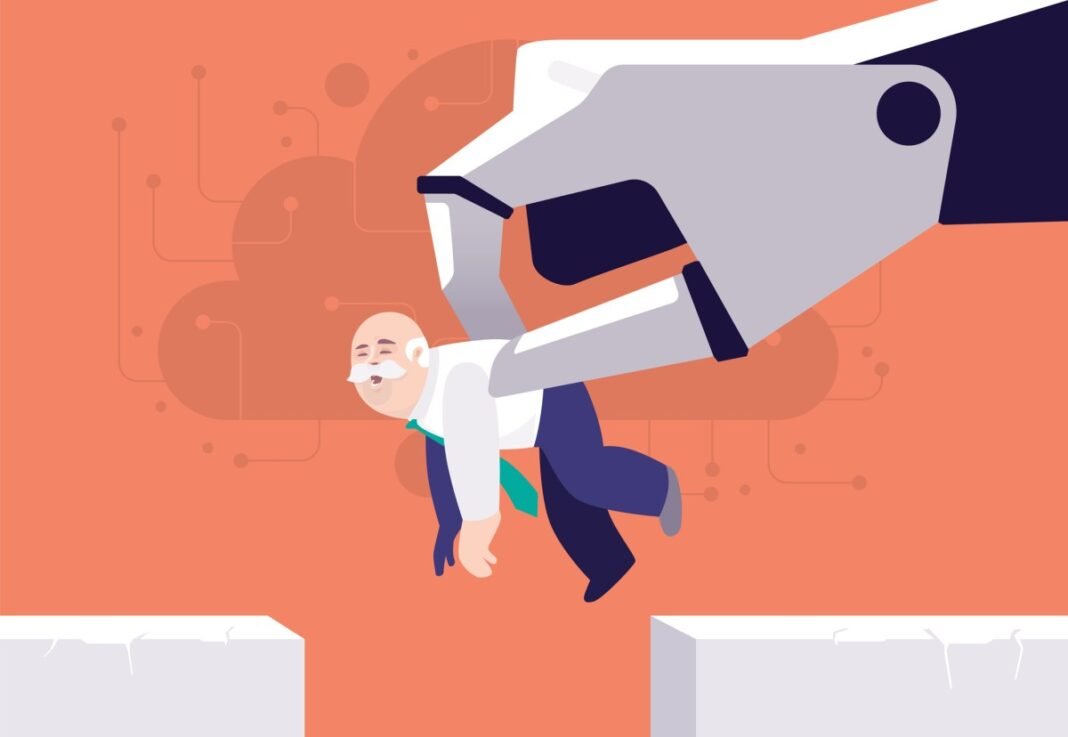
- An overwhelming 70% anticipate that advances in AI will reduce available jobs nationwide-a sharp increase from last year’s figure at 56% holding similar views.
- A mere 7% foresee automation creating more employment opportunities compared with last year’s slightly higher optimism at 13%.
- Younger workers are especially anxious; over four out five Gen Z respondents expect fewer jobs due to automation disrupting traditional roles in sectors like retail, customer service, manufacturing, and administrative support functions.
“Entry-level job postings have dropped by nearly one-third since early 2023,” reflecting real-world shifts aligned with widespread concerns over employment stability amid rapid technological change.”
Youth Awareness Coupled With Career Uncertainty
Younger generations show greater familiarity with various forms of artificial intelligence yet simultaneously express heightened skepticism regarding its impact on career prospects. This paradox suggests that increased exposure does not necessarily foster confidence or optimism concerning economic outcomes tied to automation advancements.
Navigating Personal Job Security Versus Broader Market Apprehensions
An interesting dynamic emerges when comparing individual versus collective concerns: although most Americans worry extensively about how artificial intelligence might reshape labor markets fewer feel personally vulnerable-only around three in ten employed individuals express anxiety that their own jobs could be displaced by automation technologies.
This figure has risen modestly from previous years’ estimates but still indicates psychological distance between general market fears versus personal risk assessments.
Mistrust Extends Beyond Technology Toward Industry And Government Clarity Gaps
Distrust is not limited solely to the technology itself but extends toward those responsible for developing it:
- A substantial majority (about two-thirds) believe corporations do not sufficiently disclose how they deploy or manage artificial intelligence systems affecting consumers’ lives.
- An equal proportion criticize government agencies for lacking robust regulatory frameworks tailored specifically for emerging digital tools such as generative models or autonomous decision-making algorithms.
This skepticism persists amid ongoing debates between federal authorities favoring lighter oversight approaches versus states pushing for stronger local controls-highlighting tensions within policymaking circles striving to balance innovation incentives against societal protections.
Cautious Engagement Reflects Demand For Greater Accountability And Transparency
“Americans are not dismissing the potential benefits offered by artificial intelligence outright,” experts observe; “though they insist upon clearer regulations governing deployment alongside open dialog addressing uncertainties related both technical capabilities as well as socioeconomic impacts.”