



Examining the Controversy Over Scholly’s Sale and Data Handling Practices
From innovative Startup too Major Acquisition
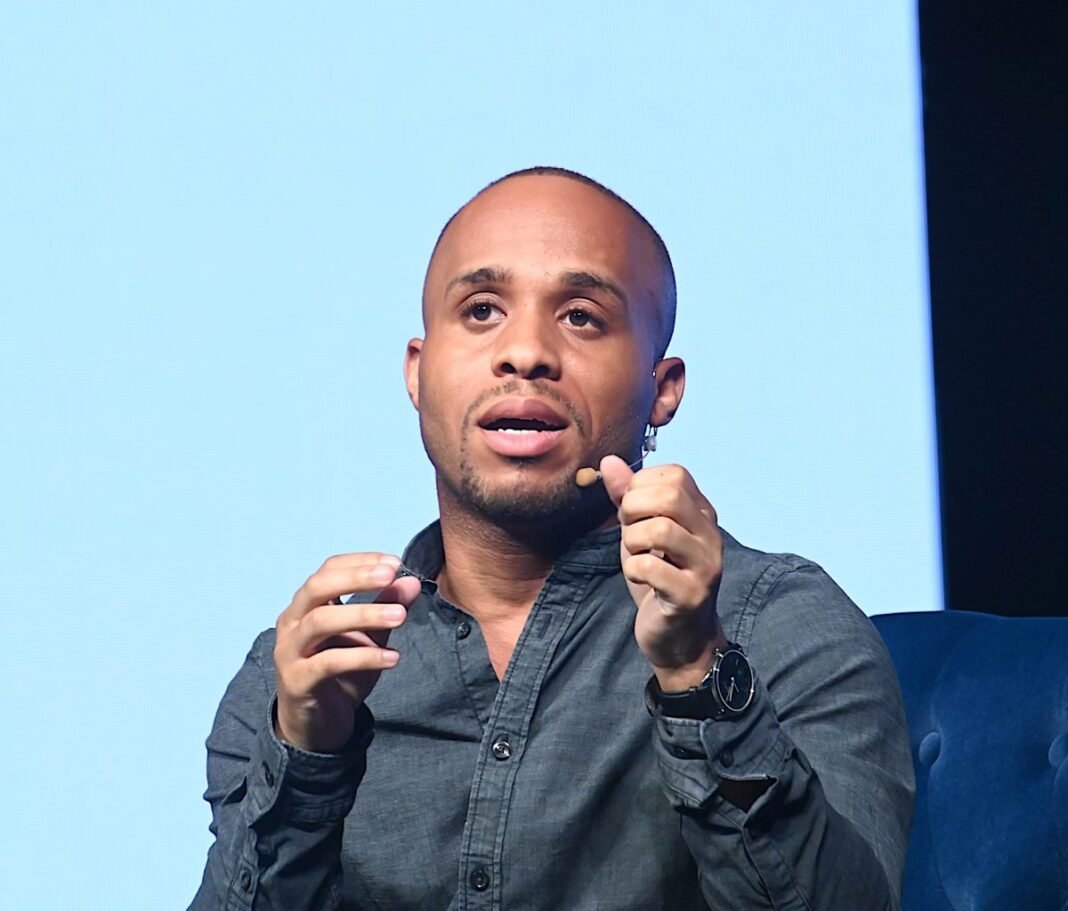
Christopher Gray founded Scholly more than ten years ago with a clear goal: to streamline the scholarship search process for students facing financial barriers. His solution addressed a critical issue-billions in unclaimed scholarship funds each year-by simplifying access through technology. The platform gained widespread attention, notably after Gray secured investment from Daymond John and Lori Greiner on Shark Tank.
Scholly’s user base expanded rapidly, surpassing 5 million students while generating upwards of $30 million in revenue.the subscription service matched applicants with scholarships by analyzing eight essential criteria including age, geographic location, academic major, GPA, ethnicity, gender identity, field of study, and financial status.
A Strategic Acquisition with Ambitious Goals
In mid-2023, Sallie Mae acquired Scholly as part of its broader strategy to enhance college planning offerings. Following the deal, Gray joined Sallie Mae as a vice president and envisioned scaling Scholly’s reach by eventually making it free for all students nationwide-a milestone celebrated as one of the few successful exits for Black fintech entrepreneurs supported by venture capital funding.
Commitments Made After Integration
sallie Mae publicly assured users that their privacy would remain protected post-acquisition. The company pledged not to sell or improperly share non-public personal details collected via Scholly’s platform.Leadership emphasized leveraging Scholly’s technology responsibly to fuel growth without compromising data security standards.
Emerging Allegations: Privacy Breaches and Data Misuse claims
A year into the acquisition period, serious concerns surfaced when Christopher Gray filed a lawsuit in Delaware Superior Court alongside whistleblower complaints submitted to federal authorities:
- Sallie Mae reportedly dismissed several original members of the Scholly team under restructuring pretenses.
- The company allegedly shifted operations into a subsidiary exempt from stringent banking regulations.
- This subsidiary is accused of selling sensitive user data-including demographics like age and race; gender identity; educational records; and geolocation-to third parties such as advertisers and educational organizations without explicit consent from users or guardians.
- Gray claims he was terminated shortly before raising these issues directly with Sallie Mae’s CEO.
“I entrusted my startup to an institution regulated by banking laws expecting student data protection,” Gray remarked. “Instead I witnessed them establish an entity designed specifically for monetizing this information in ways banks are prohibited from doing.”
The Confusing Relationship Between “sallie” Platforms and Sallie Mae Bank
The website sallie.com is operated by SLM Education Services LLC-a separate entity from salliemea.com but sharing similar branding elements that may mislead users into believing they are interacting directly with the federally regulated bank division. This site openly discloses selling customer details such as names and demographic profiles while also earning referral fees linked to Sallie Mae’s loan products.
This complex structure raises clarity concerns since many students might unknowingly provide personal information thinking they’re dealing solely with their trusted lender rather than an education marketing network targeting Gen Z consumers through digital channels like Backpack Media-a media network reportedly built using user data originally sourced from Scholly accounts.
A Pattern Marked By Legal Scrutiny
Sallie Mae has faced prior controversies related to consumer protection practices; its former spin-off Navient settled multi-billion-dollar lawsuits over predatory lending affecting millions nationwide.These ongoing legal challenges highlight persistent ethical questions surrounding student finance companies’ treatment of vulnerable populations such as college-bound youth navigating complex financial landscapes today.
The Founder’s Personal Journey Inspiring Change in Scholarship Access
Christopher Gray , raised in Birmingham within a low-income household led by his mother during economic hardship following the 2008 recession, experienced firsthand how systemic barriers-not talent-often prevent deserving individuals from pursuing higher education opportunities.
“The scholarship system felt fragmented,” says Gray,“with no reliable way for someone like me using public library computers just trying desperately not only find funding but avoid scams.”
This lived experience motivated him deeply toward creating technology aimed at democratizing access so millions could benefit rather than be excluded due simply as they lacked guidance or resources during critical application periods each year when billions remain unclaimed nationally according recent Department of Education reports showing nearly $4 billion unused annually due largely inefficient outreach efforts across states.
An Ongoing Dedication Amidst Challenges
Despite current disputes involving ownership changes & alleged misuse of user information post-sale, Christopher Gray says he stands behind his decision:
“If given another chance I’d sell again-but also raise these same alarms because executives must have freedom speak up & steer companies toward lawful fair conduct.”
Navigating Student Data Rights Within Corporate Responsibility Frameworks
- User Awareness: Many students share sensitive personal details unaware how widely those details circulate beyond intended educational purposes.
- Lack Of Regulatory Safeguards: Subsidiaries operating outside traditional banking oversight can exploit loopholes enabling monetization otherwise restricted.
- Evolving Digital Ecosystem: As Gen Z becomes increasingly targeted via digital advertising networks tied back financially powerful entities, demand intensifies — demand stronger protections around consent transparency accountability.↑→↓←
Paving A Path Forward For Scholarship Platforms And Fintech Innovators
- Delineate clearer boundaries between core financial institution operations versus marketing arms handling consumer data.
- Pursue legislation mandating explicit opt-in disclosures tailored specifically toward minors accessing scholarship tools online.
- Cultivate corporate cultures encouraging whistleblowers who highlight potential abuses without fear retaliation.
The dispute involving Christopher Gray versus Sallie Mae highlights urgent conversations about balancing innovation benefits against protecting vulnerable populations’ rights amid rapidly evolving fintech ecosystems worldwide today.


