Leading Tech Companies Challenge UPI’s market Monopoly in India
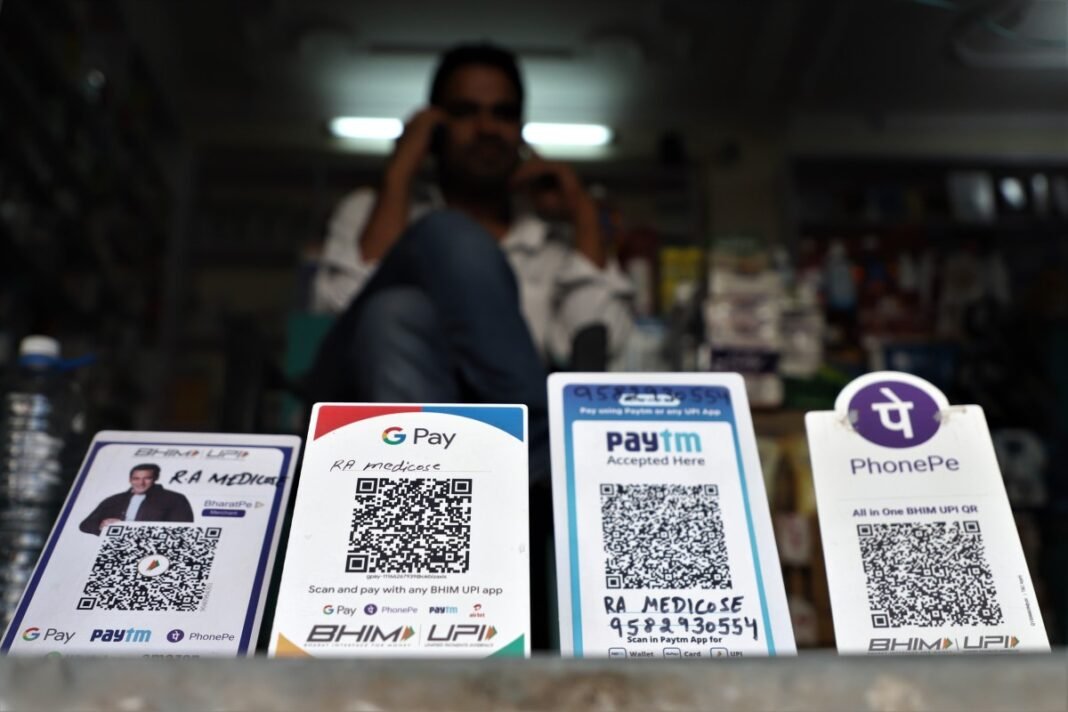
The Unified Payments Interface (UPI) ecosystem in India,predominantly controlled by Walmart-owned PhonePe and Google Pay,is now under increasing pressure from several major technology firms. key players including Amazon Pay, Meta’s WhatsApp Pay, CRED, mobikwik, and flipkart’s Super.money are gearing up to engage with the National Payments Corporation of India (NPCI) to address concerns about the concentrated dominance within this digital payments space.
Dominance of PhonePe and Google Pay in Instant Payments
In March 2024 alone, PhonePe and Google Pay accounted for nearly 80% of the staggering 22.6 billion UPI transactions nationwide. This commanding market share far surpasses competitors such as Paytm, Amazon Pay, CRED, MobiKwik, and flipkart’s Super.money. Notably, PhonePe has amassed over 700 million registered users alongside a merchant network exceeding 50 million outlets that cover more than 98% of India’s postal codes-an expansive footprint that smaller rivals find arduous to rival.
Delay in Implementing Market Share Restrictions Raises Concerns
The NPCI had initially proposed capping any single app’s share of UPI transactions at 30% to encourage a more level playing field among participants. However, this regulation has been postponed until December 31, 2026. This deferment effectively permits dominant platforms like PhonePe and Google pay to continue consolidating their market positions while intensifying worries among emerging fintech companies about their prospects for enduring growth.
Calls for Equitable Competition: Industry Demands Ahead of NPCI Talks
The forthcoming discussions between NPCI officials and representatives from Amazon Pay, Meta’s WhatsApp Pay platform, CRED,MobiKwik,and Flipkart’s Super.money will center on several pivotal issues:
- User acquisition methods: Advocating restrictions on how leading apps leverage contact data during onboarding processes.
- Feature parity: Seeking equal access across all platforms to advanced functionalities such as autopay configurations and payment mandates.
- Fair monetization practices: Proposals urging obvious revenue models that do not disadvantage smaller competitors within the ecosystem.
- regulatory encouragement: Requests for targeted policies or incentives designed specifically to empower emerging players operating within the UPI framework.
Navigating Regulatory Balance Without Service Disruption
The NPCI functions under the supervision of the Reserve Bank of India but faces a delicate challenge: enforcing regulations without interrupting seamless payment experiences relied upon daily by hundreds of millions across India. So far,the approach toward curbing market dominance has been cautious due to concerns that stringent measures might compromise transaction reliability or user convenience at scale.
A Challenging path Toward Payment Ecosystem Diversity
This collective push from newer entrants underscores growing frustration with entrenched incumbents who benefit from extensive user bases and merchant networks cultivated over many years. While it remains unclear whether these talks will lead directly to regulatory reforms or immediate changes within India’s rapidly evolving digital payments sector, the dialogue represents a critical step toward addressing competitive imbalances in one of the world’s largest real-time payment markets.
“Promoting fair access within digital payments infrastructure is essential not only for fostering innovation but also advancing financial inclusion,” industry experts emphasize as stakeholders seek solutions that balance growth opportunities with equitable competition throughout India’s vibrant fintech landscape.