Debate Ignited by Israeli Property Fair in New York City
Clashes at Synagogue Hosting Controversial Real Estate Showcase
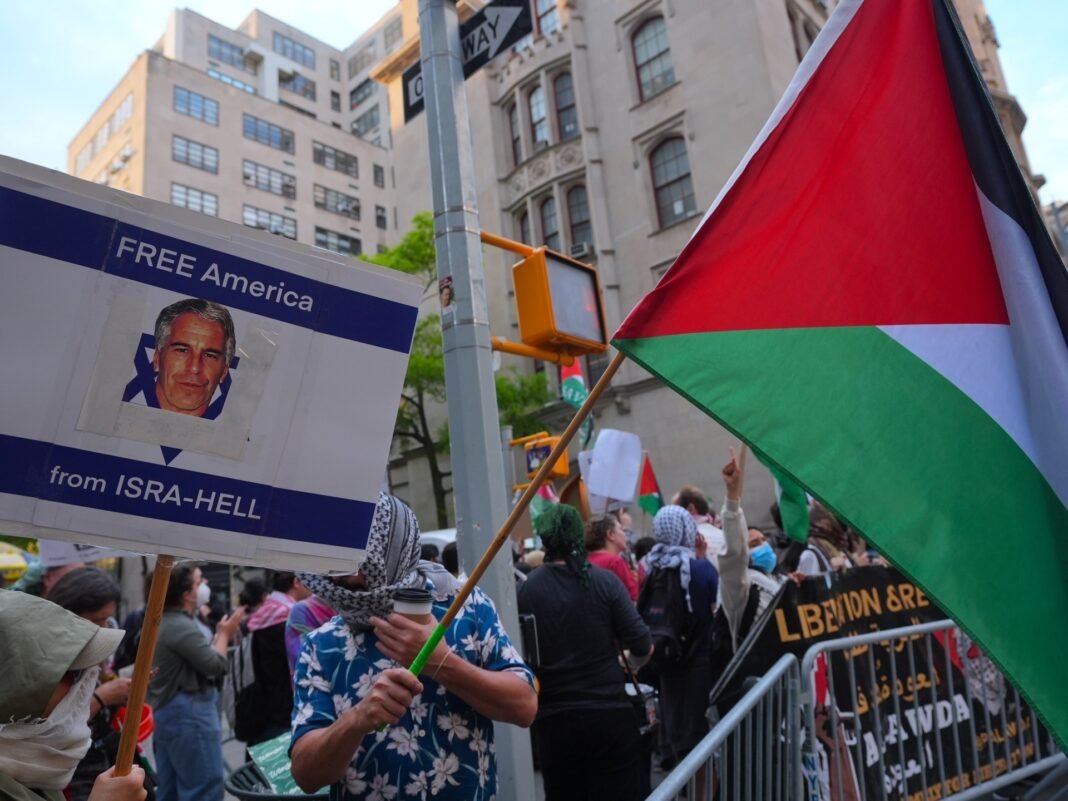
Nearly 100 pro-Palestinian demonstrators gathered outside a Manhattan synagogue for the second time within half a year to protest an Israeli real estate fair promoting properties situated in the occupied West Bank. This event, titled the Great Israeli Real Estate Event, targets international buyers interested in purchasing land and relocating to Israel.
The exhibition escalated when counterprotesters arrived, sparking physical confrontations between opposing groups. The situation intensified as some protesters tried to breach security barriers near the synagogue, leading to clashes with law enforcement personnel tasked with maintaining order.
International Law and U.S. Policy on West Bank settlements
The majority of global legal frameworks classify Israeli settlements in the occupied West Bank as violations of international law. Despite consistent criticism from multiple U.S. administrations labeling thes settlements as impediments to peace and Palestinian sovereignty, concrete sanctions against Israel have been limited.
A significant policy change occurred in 2019 when then-President Donald Trump announced that the United States no longer viewed these settlements as inherently illegal under international statutes. Nevertheless, he opposed formal annexation moves while settlement expansion continued through legislative measures favoring growth-actions that critics argue undermine peace efforts.
Regardless of disputes over legality, U.S. military aid remains ample; annual assistance packages exceed $3 billion, underscoring ongoing strategic support for Israel amid contentious settlement activities.
Real Estate Fairs: Catalysts for Political Tensions
Exhibitions marketing properties within disputed areas such as Gush etzion-a cluster southeast of Jerusalem-and other settlements like Kfar Eldad and Karnei Shomron have repeatedly stirred controversy across american cities including Los Angeles and Chicago. These events not only highlight geopolitical conflicts but also raise concerns about adherence to domestic anti-discrimination laws governing housing sales.
Civil Rights Issues Surrounding Discriminatory Housing Practices
Civil rights advocates contend that many israeli settlements enforce exclusionary policies effectively barring non-jewish residents from purchasing homes or residing there. Activists accuse expo organizers of violating U.S. laws by screening attendees based on religion or ethnicity before allowing participation or property transactions.
“Denying property sales due to race or national origin is unlawful,” declared a leading advocacy organization filing complaints with federal authorities after reports surfaced during a 2024 New jersey expo where prospective attendees were questioned extensively about their religious affiliations-including synagogue membership and rabbinical connections-prior to entry approval.
The Controversy over Using Religious Venues for Property Events
Selecting synagogues as venues has drawn sharp rebuke from groups such as Jewish Voice for Peace (JVP). At a recent gathering held at Park East Synagogue on ManhattanS Upper East Side, JVP criticized organizers for choosing houses of worship deliberately-a strategy they claim attempts to portray protests against land sales as anti-Semitic rather than opposition toward occupation policies affecting Palestinians.
“These gatherings promote racism and exclusion,” JVP stated, “while cynically exploiting synagogues to shield themselves from legitimate protest.”
Municipal Actions Address Rising Protests Near Religious Sites
The New York City Council responded by passing legislation requiring police departments to establish buffer zones around places of worship during demonstrations-aimed at safeguarding congregants’ safety while preserving public order amid escalating tensions linked with such events involving contested lands abroad marketed locally.
Mayor Zohran Mamdani publicly condemned the real estate exhibition; his office highlighted that several advertised properties are considered illegal under international law and connected directly with ongoing displacement challenges faced by Palestinians living under occupation conditions today.
Divergent Views Among Local Leaders on Protest Dynamics
The protests have sparked varied reactions among city officials: some express solidarity with pro-palestinian activists emphasizing human rights concerns tied to settlement growth; others criticize demonstrators sharply-for instance, State Assemblyman Micah Lasher accused protesters of fostering fear among Jewish communities unfairly amidst complex geopolitical debates surrounding Middle Eastern conflicts reflected locally in New York’s diverse population centers.
A Microcosm of Global Conflict Playing Out Locally
This recurring dispute over real estate fairs selling contested lands illustrates how deeply global political struggles can manifest within local urban settings far removed geographically yet intimately connected through diaspora communities and civic activism cultures prevalent across major metropolitan hubs like New York City-the nation’s largest melting pot known for its vibrant engagement around social justice issues worldwide.
- Total participants: Over 100 protesters recently assembled outside a NYC synagogue opposing West Bank property promotions;
- Status quo: International consensus deems settlements illegal despite sustained US military backing;
- Civil liberties: Accusations include discriminatory practices infringing upon US housing regulations;
- Civic response: NYC mandates protective buffer zones near religious institutions during protests;
An Ongoing Complex Debate Without Clear Resolution Ahead
The intersection between commercial real estate ventures involving disputed territories overseas-and activism rooted firmly within american cities-continues fueling intense debate without foreseeable resolution soon. As diplomatic positions evolve globally alongside shifting domestic policies balancing freedom-of-assembly rights versus community safety concerns near sensitive venues like synagogues-the issue remains emblematic both locally and internationally regarding unresolved conflicts thousands of miles away now echoed vividly inside Manhattan halls showcasing glossy brochures targeting select audiences seeking homes amid conflict zones abroad yet fiercely debated here at home too.