McDonald’s Accelerates Expansion in China Amid Changing Consumer Trends
Blending Nostalgia with Affordability to capture Hearts
Contrary to many international brands scaling back their operations in China, McDonald’s is aggressively broadening its reach. This momentum is propelled by customers like Yue Ma, who recently visited the newly opened mcdonaldland outlet in Beijing’s Chaoyang Park during the May Day holiday. The location was among a handful nationwide to bring back the iconic strawberry and vanilla milkshakes on May 1.
Yue, a businessman born in the 1980s, explained that his visit was driven not only by a craving for these nostalgic treats but also by cherished memories from his youth. “For many of us who first encountered Western fast food through McDonald’s, it left an indelible mark,” he said. “Even with numerous dining options available today-both Western and Chinese-I still opt for McDonald’s about 70% of the time.”
Aiming High: Targeting 10,000 Outlets by 2028
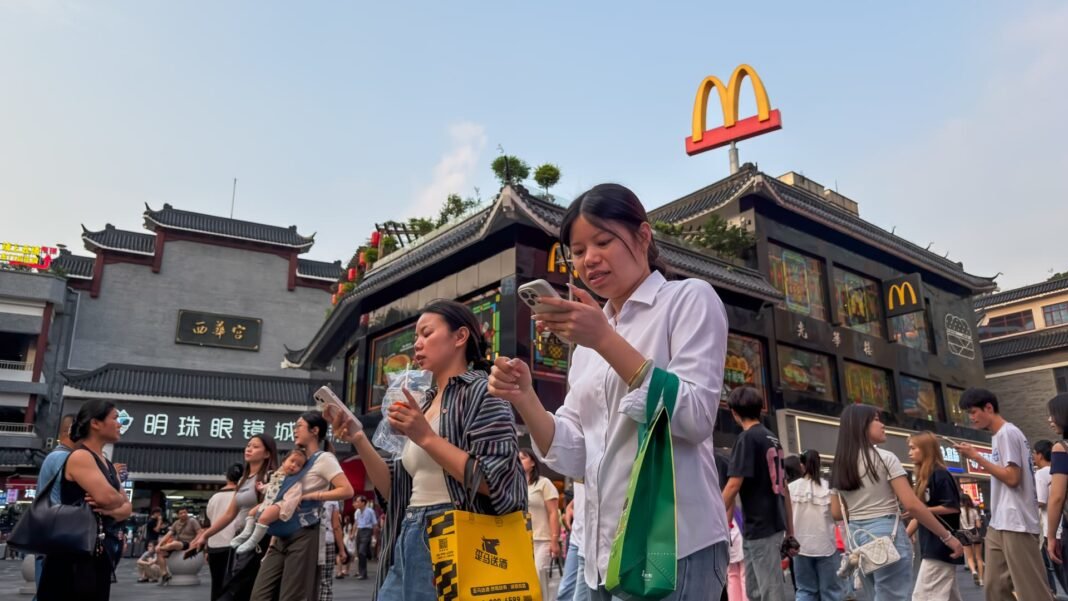
The company intends to grow its store count from over 7,700 locations at the close of 2025 to an aspiring goal of 10,000 outlets across mainland China within three years. This expansion solidifies China as McDonald’s second-largest market globally after the United States.
In fact, last year saw half of all new mcdonald’s openings worldwide take place on Chinese soil-a clear indicator of how critical this market has become for global growth. The brand classifies its Chinese operations under its international developmental licensed markets segment, which reported a same-store sales increase of 3.4% during Q1.
the Importance of Local Ownership and Partnerships
A majority stake-52%-of McDonald’s business in China is held by Trustar Capital Partners, a private equity firm linked with citic Capital. This local investment plays a pivotal role in navigating China’s distinct market environment while preserving brand integrity.
Nostalgia Revived: Classic Favorites Return with fresh Twists
The inaugural Chinese McDonald’s opened back in 1990 amid China’s rapid economic opening; since then it has symbolized modernity and growing prosperity for many consumers.
The limited-time comeback last summer of classic milkshakes sparked widespread enthusiasm online-a phenomenon that led to their reintroduction this year at just forty-four stores spanning fifteen cities including Beijing. These flavors had been discontinued since 2014 but remain beloved among longtime fans such as Zhu Ming who traveled thirty minutes just to enjoy his favorite vanilla shake once again.
Catering Menus That Balance Tradition and Innovation
The menu skillfully combines iconic staples like Big Macs alongside inventive local specialties such as Sichuan-spiced chicken wings or lychee-flavored desserts crafted specifically for Chinese palates eager for novelty without losing familiarity.
Navigating Economic Pressures Through Value-Driven Strategies
Domestic competitors have gained traction recently due partly to rising nationalism and aggressive pricing amid economic slowdowns; foreign brands once seen as premium face challenges adapting accordingly.
Nevertheless, McDonald’s continues leveraging its reputation for consistent quality worldwide while offering budget-pleasant choices tailored toward cost-conscious consumers today.
- “Affordable indulgence”: A popular combo priced around ¥14 (roughly $2) offers customers either a burger plus drink or dessert-making it accessible even during tighter financial periods.
- Value perception over price: Experts specializing in consumer behavior analysis note,“Chinese shoppers emphasize overall value rather than simply opting for lowest cost.”
- User experience counts: Many patrons appreciate not only taste but also cleanliness and service quality compared against local chains such as Dicos or regional fast-food outlets.
“Though slightly pricier than some alternatives,” noted branding consultants,“when factoring experience alongside flavor consistency there is undeniable added value.”
A Blueprint For Global Brands Thriving Locally In Complex Markets
This example demonstrates how multinational corporations can flourish within challenging environments like China-not merely relying on brand recognition but integrating nostalgia-driven marketing with localized innovation and pricing strategies aligned with current economic realities.
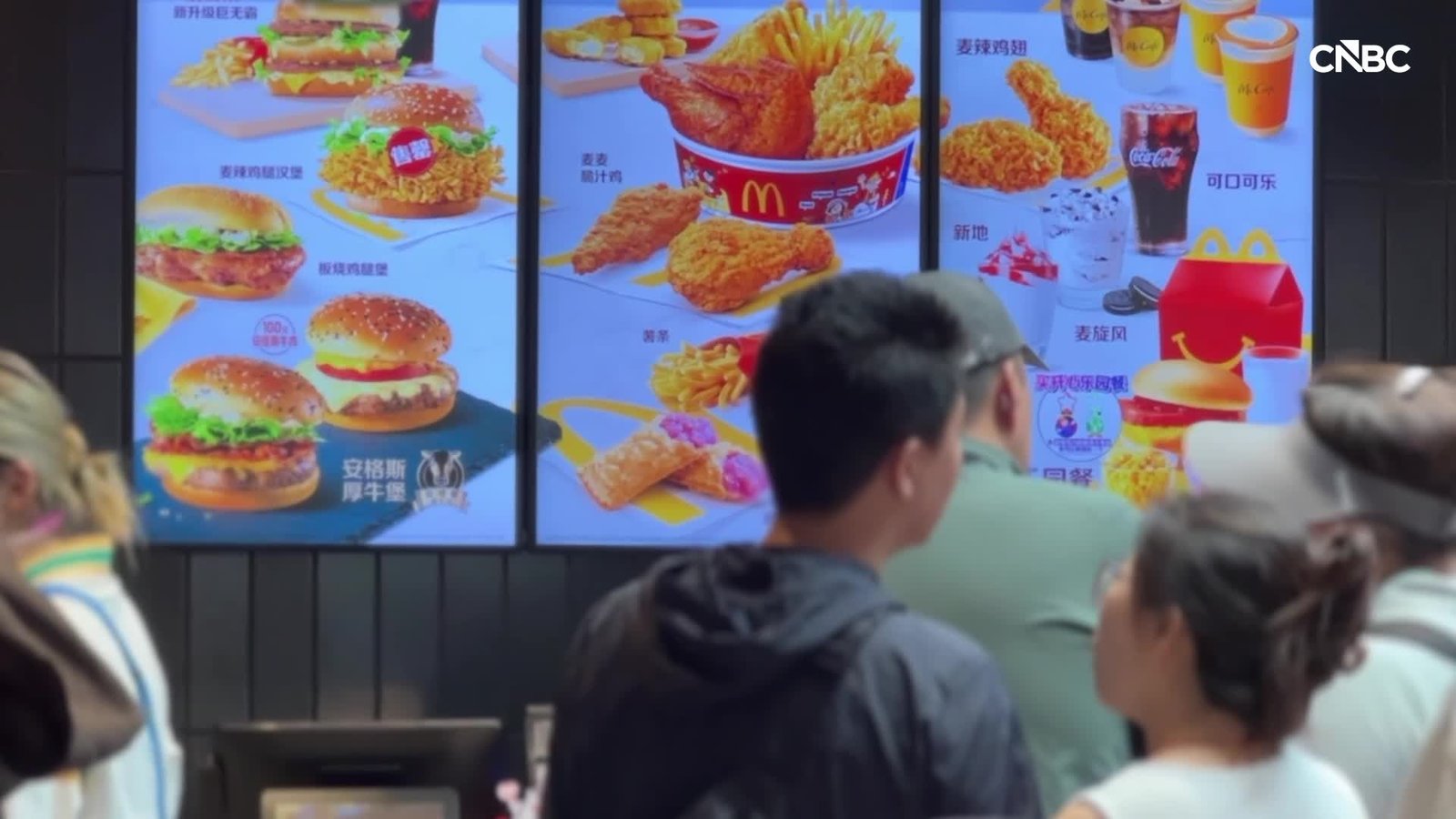
“We drove half an hour here just because we wanted that vanilla shake,” Zhu Ming shared after picking up his order at Chaoyang Park-highlighting how emotional connections continue fueling foot traffic despite intensifying competition.”