Market Responses to Heightened Strains in the Strait of Hormuz
renewed U.S.-Iran Tensions Shake a Key Global Passage
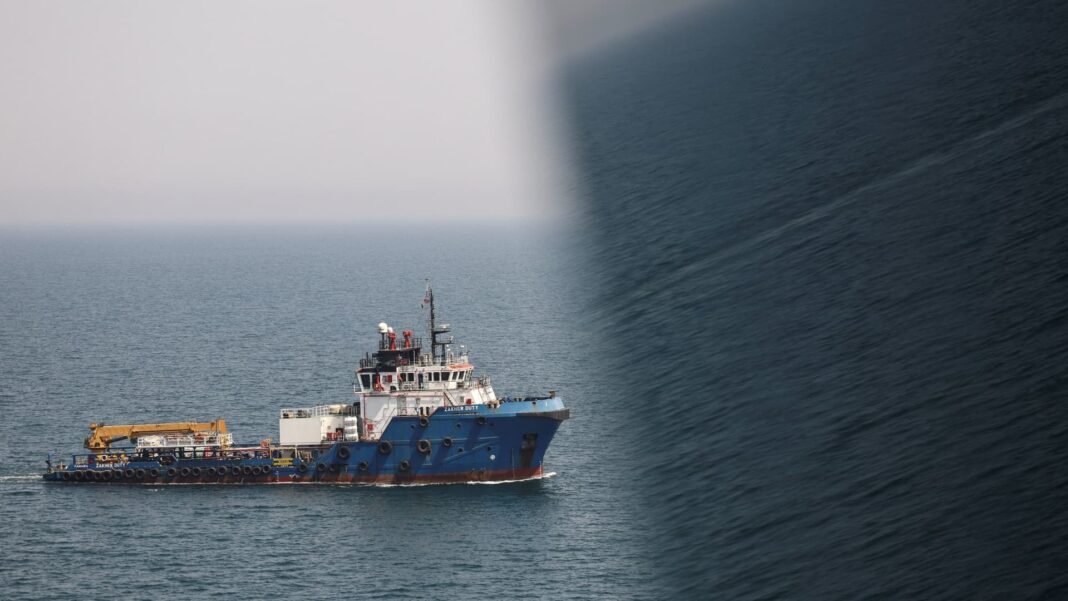
The uneasy calm between the United States and Iran has been disrupted by fresh confrontations in the strategically vital Strait of Hormuz, a crucial artery for international oil transport. Both countries have leveled accusations against each other for recent assaults involving unmanned drones and small naval vessels,raising alarms about a possible escalation into wider conflict.
Despite these clashes, U.S. officials assert that the ceasefire remains largely intact.The President characterized these incidents as limited provocations rather than outright attacks, underscoring ongoing diplomatic initiatives aimed at reviving nuclear negotiations with Iran.
How Instability Impacts Global Oil Pricing
The turmoil affecting this essential maritime corridor has sent ripples through global crude markets. In recent trading sessions, West Texas Intermediate (WTI) futures for June delivery climbed roughly 1.07%, settling near $95.82 per barrel, while Brent crude futures for July contracts increased by 1.38% to approximately $101.44 per barrel.
This price movement reflects widespread apprehension over potential interruptions in supply lines as nearly one-fifth of worldwide oil exports transit this narrow strait daily-highlighting its critical role within energy distribution networks.
Practical Consequences: Delays and Rising Shipping Expenses
For example, tanker movements around Fujairah port have noticeably slowed due to enhanced security protocols following recent skirmishes-paralleling disruptions observed during previous Gulf tensions such as the 2019 drone strikes that temporarily halted operations at major facilities.
Diverse Market Reactions Across Asia-Pacific Exchanges
- South Korea: The Kospi index slipped by 0.67%, signaling investor caution amid geopolitical unease; conversely, smaller-cap stocks on Kosdaq edged up slightly by 0.62%, indicating pockets of optimism within select sectors.
- Japan: After hitting record highs earlier this week, Japan’s Nikkei 225 retreated modestly by 0.36%, influenced partly by profit-taking from traders wary of escalating regional tensions.
- Australia: The S&P/ASX 200 declined more sharply at about 1.44%,reflecting broader risk aversion among commodity-linked markets sensitive to Middle Eastern developments impacting resource exports.
- Mainland China & Hong Kong: Mainland China’s CSI300 index fell roughly 0.60%, while Hong Kong’s Hang Seng dropped nearly 0.82%; both declines mirror investor anxiety amid uncertain trade conditions and security concerns tied to Middle East conflicts.
The Critical Role of Maritime Security in Energy Supply chains
the Strait of Hormuz stands as one of the globe’s most meaningful chokepoints; disturbances here can cascade through international energy supplies and financial markets alike-explaining why even limited military engagements provoke substantial economic repercussions worldwide.
“Maintaining stability along this narrow waterway is vital not only for regional peace but also for ensuring consistent global energy prices,” analysts emphasize while closely observing unfolding events.”
The Road Ahead: Potential Ramifications if Hostilities Intensify
- A breakdown in diplomatic talks without a renewed nuclear agreement could sharply increase military risks across key shipping routes;
- This scenario may drive oil prices significantly higher than current levels;
- An extended conflict might accelerate shifts toward alternative energy sources or new transit corridors as companies seek resilience against supply chain vulnerabilities;
- Broad Asia-Pacific economies could experience heightened market volatility affecting investment strategies and growth projections over upcoming quarters;
This evolving geopolitical landscape highlights how deeply intertwined political dynamics are with economic stability-especially where critical infrastructure like offshore ports and maritime passages are concerned-and underscores why vigilant monitoring remains essential for global stakeholders navigating these unpredictable conditions.